Akai MPC5000 — VS — Elektron Octatrack MKI
Akai MPC5000
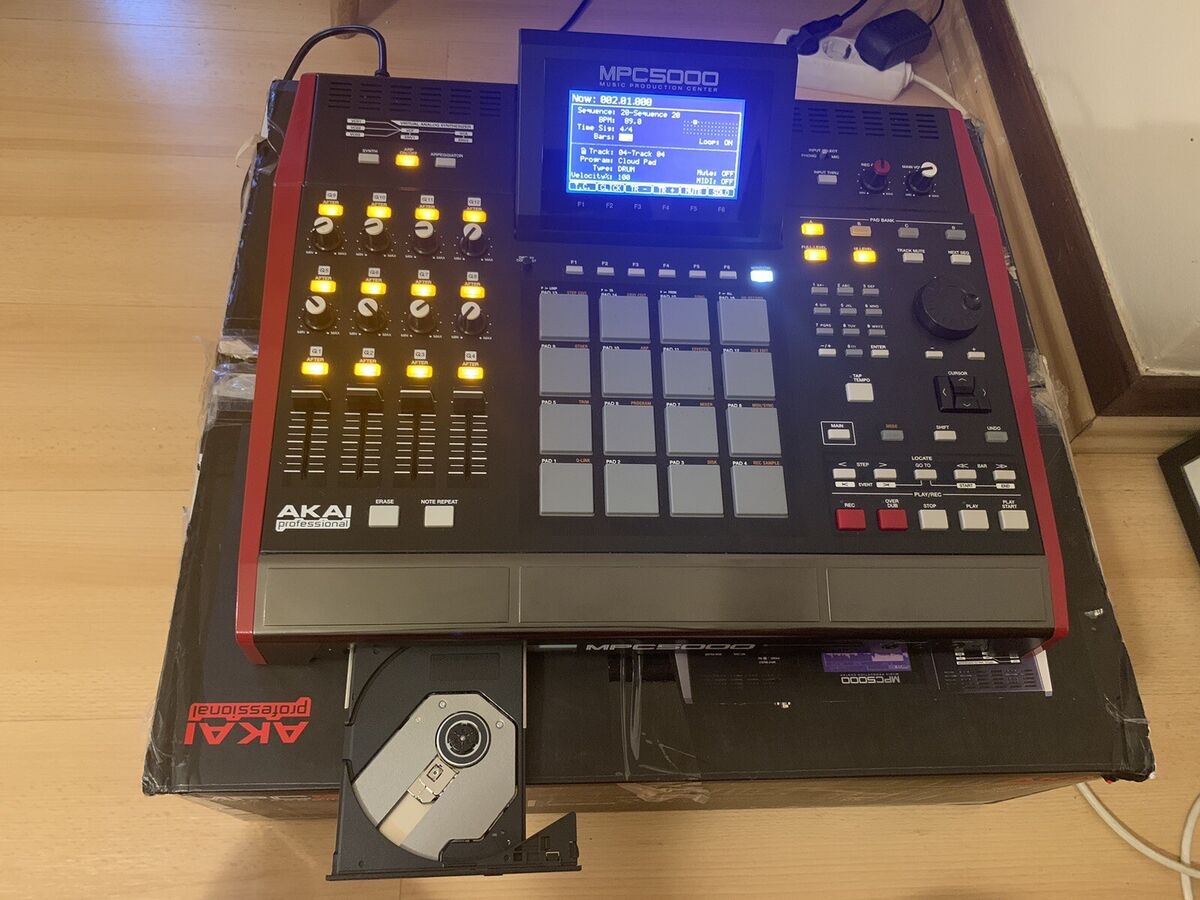
High-end MPC with expanded sampling and advanced effects.
Elektron Octatrack MKI
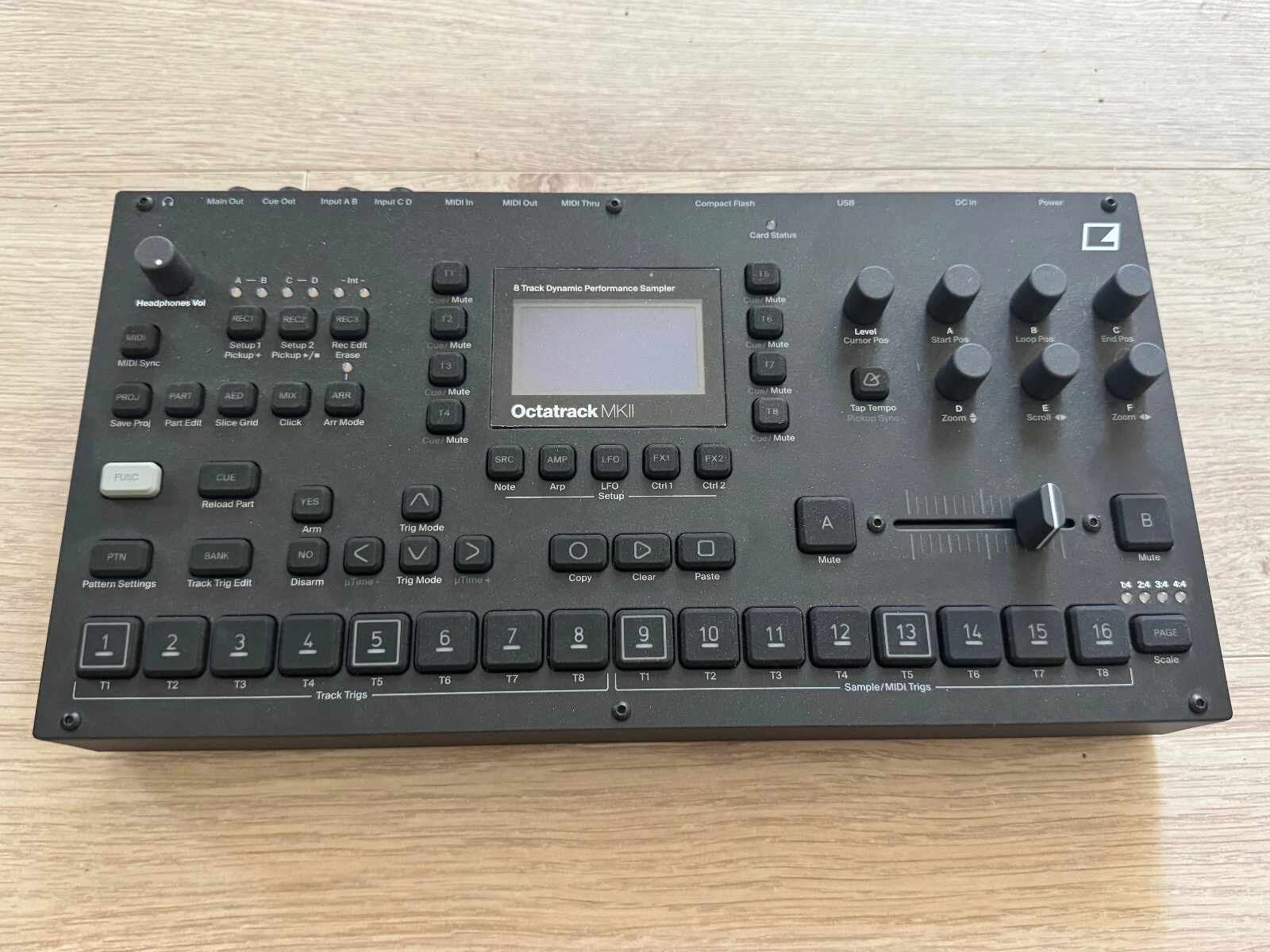
The Elektron Octatrack is a powerful music tool that lets you sample, loop, and remix sounds in real time. It has 8 tracks for playing and twisting audio, plus 8 more for controlling other gear with MIDI. You can load sounds from a memory card or record them live, then use built-in effects, a crossfader, and a step sequencer to create unique tracks. Whether you're performing live or making music in the studio, the Octatrack MK1 gives you deep control over your sound in a hands-on, creative way.
| Spec | Akai MPC5000 | Elektron Octatrack MKI |
|---|---|---|
| Manufacturer | Akai Professional | Elektron |
| Year Released | 2006 | 2010 |
| Polyphony | 128 | 8 |
| Sample Rate | 44.1kHz | 48kHz |
| Storage | Internal Hard Drive, CompactFlash | Compact Flash |
| Pads | 16 velocity-sensitive pads | No pads, uses buttons and encoders |
| Sequencer | Yes | Yes |
| Effects | EQ, Compression, Reverb, Delay, Filtering | Filters, Delay, Reverb |
| I/O | MIDI In/Out, Audio In/Out | MIDI In/Out/Thru, Audio In/Out |
| Screen | Color LCD | OLED display |
| Software Integration | MPC Software | Elektron Transfer |
| Build | Standalone | Desktop |
| Price | $1200 used | |
| More about | Details | Details |
Akai MPC5000 vs. Elektron Octatrack MKI: A Detailed Comparison
Summary: The Akai MPC5000 and the Elektron Octatrack MKI are two legendary samplers that have captured the hearts of music producers. Each offers unique features suited to different production needs. In this blog, we’ll explore what makes each of these machines special, and help you decide which one is right for you.
Introduction
Music production is an art that requires the right tools to bring your creative visions to life. For many producers, samplers are essential instruments in their studios. The Akai MPC5000 and the Elektron Octatrack MKI are two iconic devices that have carved their own paths in the music world. While both are designed to sample and sequence music, they each have their own unique strengths and weaknesses. Let’s dive into the features of each to see how they compare.
Features of the Akai MPC5000
The Akai MPC5000 is a high-end sampler that was released by Akai Professional in 2006. It’s known for its robust build and powerful features. Here’s a closer look at what it offers:
-
Polyphony and Sample Rate: The MPC5000 boasts an impressive 128-note polyphony, making it perfect for complex compositions. Its sample rate of 44.1kHz ensures high-quality audio playback.
-
Storage and Pads: It comes with internal hard drive storage and supports CompactFlash for additional storage options. The device includes 16 velocity-sensitive pads, which are a staple for any MPC device, allowing for dynamic and expressive performances.
-
Sequencer and Effects: The MPC5000 includes a built-in sequencer and a range of effects such as EQ, Compression, Reverb, Delay, and Filtering. These allow for extensive sound manipulation and creativity.
-
I/O and Screen: It features MIDI In/Out and Audio In/Out for connectivity. The color LCD screen provides a clear and intuitive interface for navigating the device’s features.
-
Software Integration and Build: The MPC5000 integrates with MPC Software, enhancing its capabilities. It’s a standalone unit, meaning it doesn’t require a computer to function, which is ideal for those who prefer a hardware-based workflow.
-
Price and Description: The MPC5000 is priced around $1200 used, and is described as a “High-end MPC with expanded sampling and advanced effects.”
Features of the Elektron Octatrack MKI
The Elektron Octatrack MKI is another powerful sampler and sequencer that was released in 2010 by Elektron. It has its own set of features that make it a favorite among producers:
-
Polyphony and Sample Rate: The Octatrack MKI offers 8-note polyphony, which is lower than the MPC5000 but still sufficient for many musical applications. It has a slightly higher sample rate of 48kHz, providing excellent audio quality.
-
Storage and Pads: It uses Compact Flash for storage and does not have traditional pads. Instead, it uses buttons and encoders to control its functions, which may appeal to those who prefer a different tactile experience.
-
Sequencer and Effects: Like the MPC5000, the Octatrack MKI includes a sequencer. It offers effects such as Filters, Delay, and Reverb to enhance your sound design.
-
I/O and Screen: It comes with MIDI In/Out/Thru and Audio In/Out for extensive connectivity options. The OLED display offers a clear view of parameters, although it may not be as vibrant as the MPC5000’s color LCD.
-
Software Integration and Build: The Octatrack MKI integrates with Elektron Transfer, making it easy to manage samples and projects. It is a desktop unit, which is more compact and can fit into smaller studio spaces.
-
Price and Description: The price for a new Octatrack MKI is not specified, but it’s known for being a “powerful sampler and sequencer.”
Pros and Cons
Akai MPC5000
Pros:
- High polyphony (128 notes) allows for intricate compositions.
- 16 velocity-sensitive pads provide dynamic control.
- Wide range of effects for sound shaping.
- Standalone build means no need for a computer.
- Large, color LCD for clear navigation.
Cons:
- Larger and heavier, which might not be ideal for small spaces.
- Higher price point compared to some other samplers.
Elektron Octatrack MKI
Pros:
- Compact desktop design fits well in small studios.
- High-quality audio with 48kHz sample rate.
- Unique interface with buttons and encoders for a different tactile experience.
- Extensive connectivity with MIDI In/Out/Thru.
Cons:
- Lower polyphony (8 notes) limits its use for complex layers.
- Lack of traditional pads might not appeal to all producers.
- OLED display might not be as visually appealing as a color LCD.
Conclusion
Both the Akai MPC5000 and the Elektron Octatrack MKI are excellent samplers, each with their own strengths. The MPC5000 is perfect for those who need a high-performance, standalone device with a wide array of features and effects. On the other hand, the Octatrack MKI is ideal for those who prefer a compact, desktop solution with a unique interface.
In the end, the choice between these two samplers comes down to personal preference and specific production needs. Whether you prioritize polyphony, tactile control, or compactness, there’s a sampler here for every type of musician.