Akai MPC5000 — VS — Korg Electribe Sampler 2
Akai MPC5000
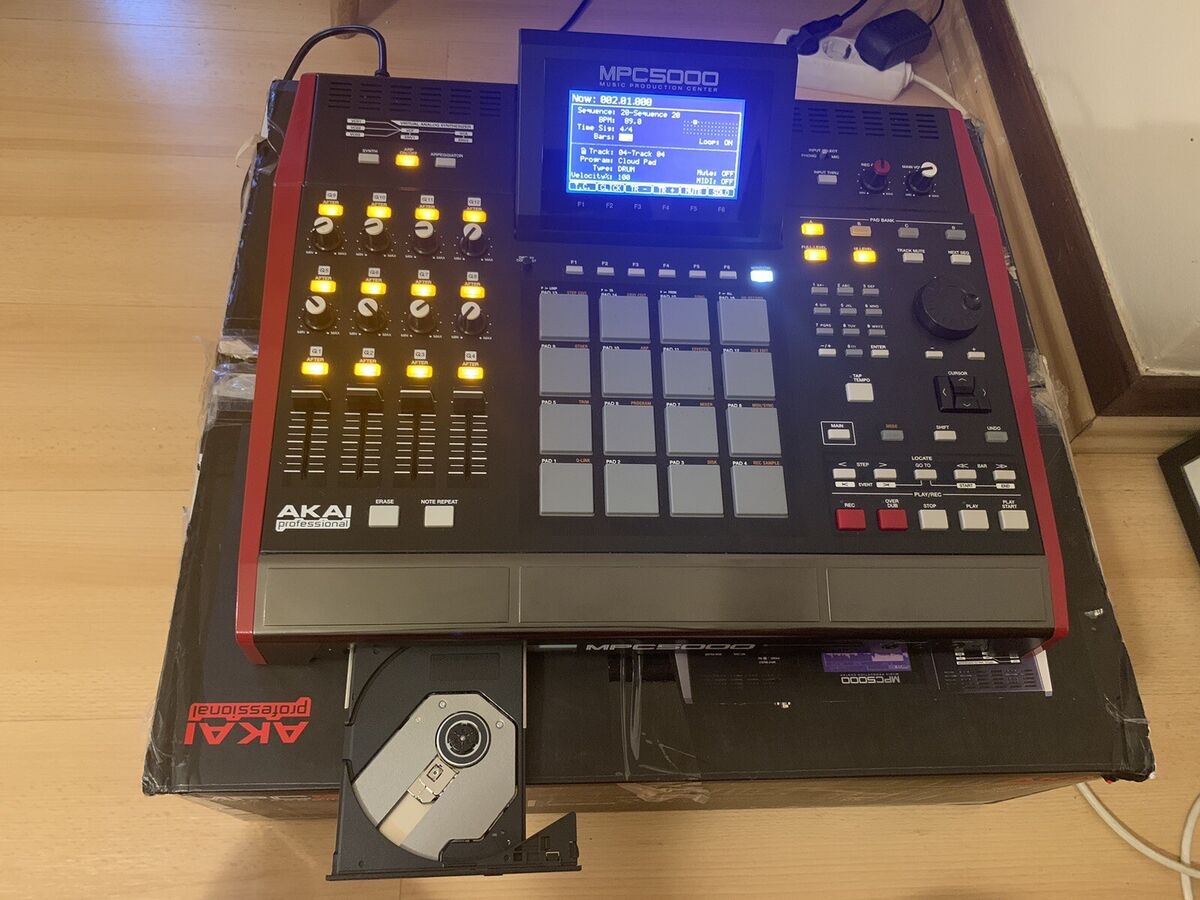
High-end MPC with expanded sampling and advanced effects.
Korg Electribe Sampler 2
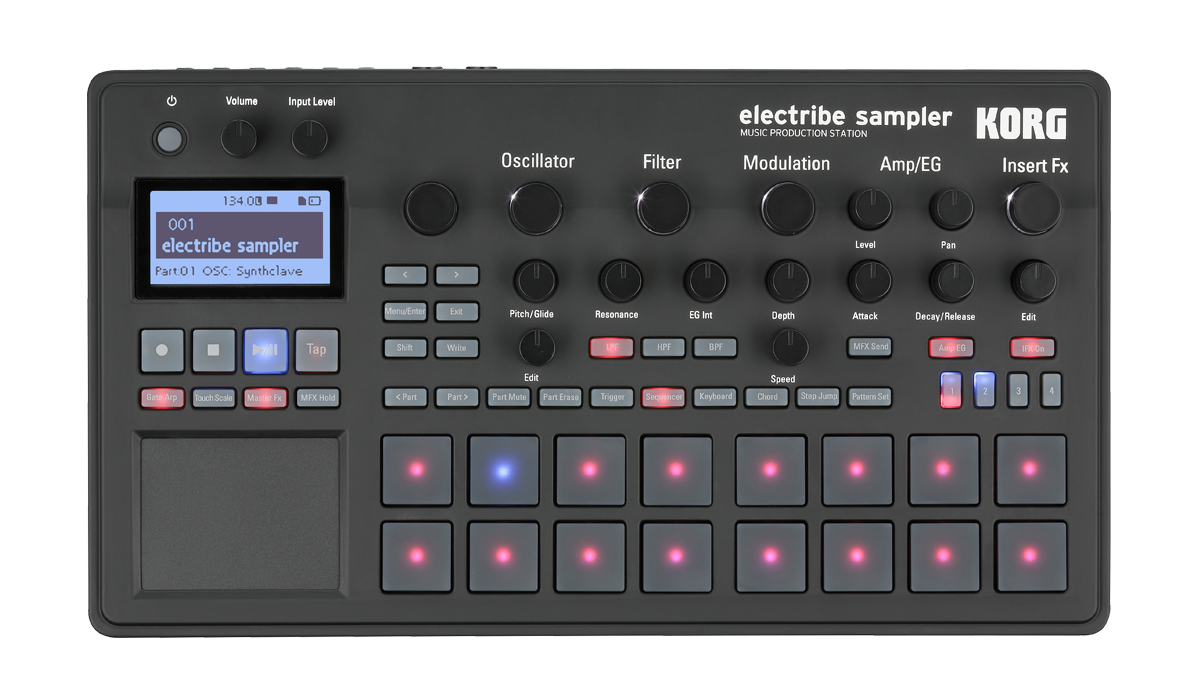
The Korg Electribe Sampler 2 is a fast and easy-to-use music machine that helps you turn your ideas into beats in no time. You can load your own sounds or use the built-in samples, then shape them using knobs and effects. Whether you're tapping out drums, bass, or melodies, the Electribe makes it simple to build full songs quickly. It's great for both live performances and studio work, and you can export your tracks to Ableton Live for more detailed editing. The newest version adds pattern chaining and comes in a bold red color. It's a powerful sampler and sequencer designed for speed and creativity.
| Spec | Akai MPC5000 | Korg Electribe Sampler 2 |
|---|---|---|
| Manufacturer | Akai Professional | Korg |
| Year Released | 2006 | 2014 |
| Polyphony | 128 | 64 |
| Sample Rate | 44.1kHz | 44.1kHz |
| Storage | Internal Hard Drive, CompactFlash | SD card |
| Pads | 16 velocity-sensitive pads | No pads, uses buttons |
| Sequencer | Yes | Yes |
| Effects | EQ, Compression, Reverb, Delay, Filtering | Multiple effects |
| I/O | MIDI In/Out, Audio In/Out | MIDI In/Out, USB, Audio In/Out |
| Screen | Color LCD | LCD display |
| Software Integration | MPC Software | No |
| Build | Standalone | Desktop |
| Price | $1200 used | $600 |
| More about | Details | Details |
Buy the Korg Electribe Sampler 2 on Amazon.com
Buy Now On AmazonKorg Electribe Sampler 2 vs. Akai MPC5000: A Battle of Groove Machines
If you’re on the hunt for a sampler that can add some serious groove to your music production, you’re in the right place! Today, we’re diving into a detailed comparison of the Korg Electribe Sampler 2 and the Akai MPC5000. Both have their unique charm and features, but which one is right for you? Let’s find out!
Introduction
Music is magic, and samplers are like magic wands for musicians and producers. They take ordinary sounds and transform them into extraordinary musical experiences. In this blog post, we’re comparing two popular samplers: the Korg Electribe Sampler 2 and the Akai MPC5000. These devices are loved by music enthusiasts, each offering a unique set of features and capabilities. Whether you’re a beginner looking to start your music-making journey or an experienced producer seeking to expand your toolkit, this guide will help you make an informed choice.
Feature Comparison
The Korg Electribe Sampler 2
The Korg Electribe Sampler 2 is a compact and affordable sampler released in 2014 by Korg. It’s known for its powerful groovebox capabilities, which make it a favorite among electronic music producers. With a polyphony of 64, it can play multiple sounds at once, allowing for complex sound layering. It samples at a standard rate of 44.1kHz and uses an SD card for storage, making it easy to swap out samples and projects.
One of the standout features of the Electribe Sampler 2 is its deep sequencing capabilities. While it doesn’t have traditional pads, it uses buttons to create and manipulate sequences. It has multiple effects to add flair to your sounds and connects easily to other devices via MIDI and USB. The LCD display is straightforward and helps in navigating through various settings. However, it lacks software integration, meaning you’ll be doing most of your work directly on the device.
The Akai MPC5000
On the other hand, the Akai MPC5000 is a beast of a machine. Released in 2006, it’s a high-end MPC that comes with 16 velocity-sensitive pads, perfect for finger drumming and live performances. Its polyphony is twice that of the Electribe, supporting up to 128 simultaneous voices. Like the Electribe, it samples at 44.1kHz but offers more advanced effects like EQ, compression, reverb, delay, and filtering.
Storage-wise, the MPC5000 has an internal hard drive and supports CompactFlash cards, providing ample space for extensive sampling. Its color LCD screen offers a more visually engaging interface compared to the Electribe’s monochrome display. Additionally, it integrates with MPC Software, providing a seamless workflow between hardware and computer-based production. However, it’s pricier, even on the used market, and its standalone build means it’s bigger and less portable than the Electribe.
Pros and Cons
Korg Electribe Sampler 2
Pros:
- Affordable: At $600, it’s a great entry-level option for those new to sampling.
- Deep Sequencing: Offers powerful sequencing capabilities for complex music production.
- Compact: Its desktop build makes it easy to fit into any studio setup.
Cons:
- No Pads: Uses buttons instead of pads, which might not suit everyone.
- Limited Software Integration: Lacks integration with music production software, focusing on standalone use.
Akai MPC5000
Pros:
- Advanced Features: Offers high polyphony and a wide range of effects.
- Pads: 16 velocity-sensitive pads are great for dynamic music creation.
- Software Integration: Works with MPC Software for enhanced production capabilities.
Cons:
- Price: At $1200 for a used unit, it’s a significant investment.
- Size: Its standalone build is less portable compared to more compact samplers.
Final Verdict
In summary, both the Korg Electribe Sampler 2 and the Akai MPC5000 have their strengths. The Electribe is perfect for those who want an affordable, compact, and powerful groovebox. It’s ideal for electronic music producers who don’t mind working directly on the hardware. On the other hand, the MPC5000 is suited for serious producers who need advanced features, hands-on control with pads, and seamless software integration.
If portability and budget are your main concerns, the Korg Electribe Sampler 2 is a fantastic choice. However, if you’re looking for a comprehensive production powerhouse and are willing to invest, the Akai MPC5000 is the way to go. No matter which you choose, both samplers offer unique possibilities to enhance your music-making journey. Happy sampling!