Akai MPC5000 — VS — Native Instruments Maschine Mk3
Akai MPC5000
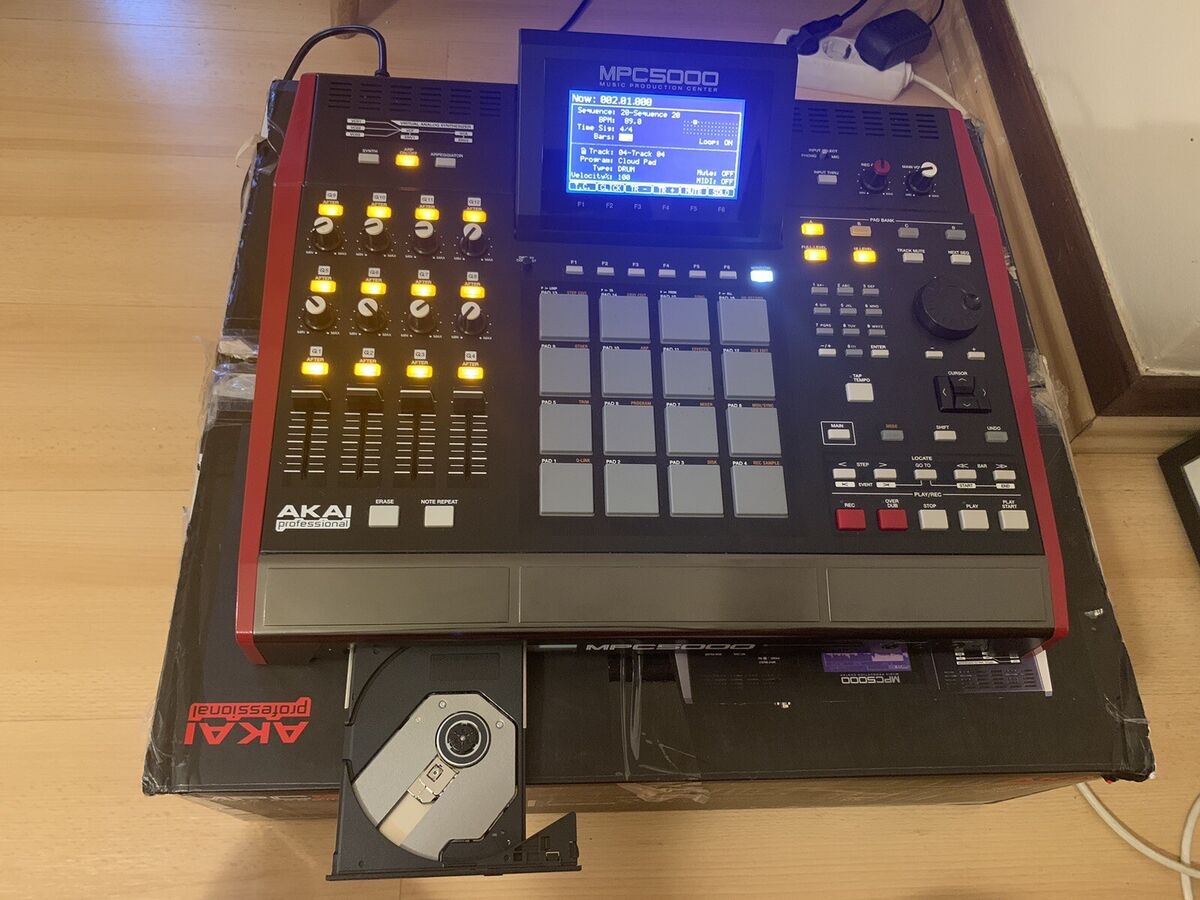
High-end MPC with expanded sampling and advanced effects.
Native Instruments Maschine Mk3
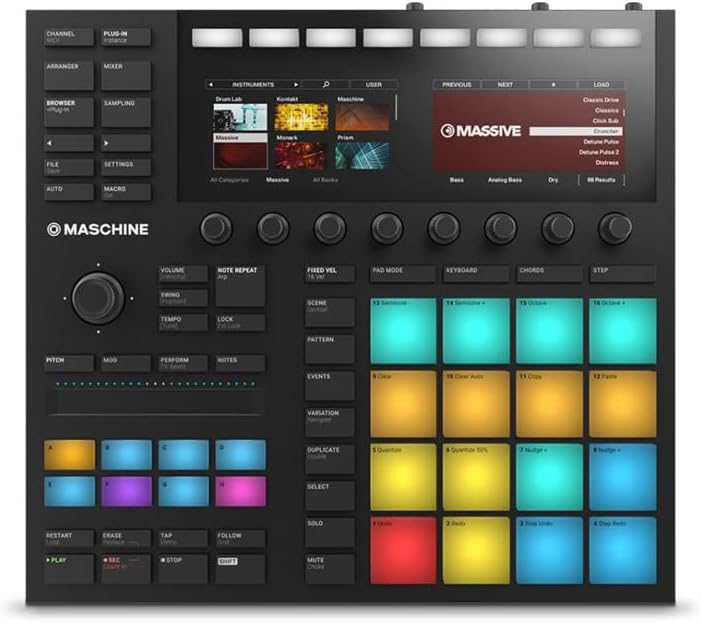
The Native Instruments Maschine Mk3 is an all-in-one music-making system that helps you create songs, beats, and live performances. It combines powerful software with easy-to-use hardware, including a sampler, mixer, effects, and a built-in sound library with 25 GB of professional sounds. You can connect instruments, a microphone, headphones, and even other music gear with the built-in audio interface. The touch-sensitive knobs and Smart Strip let you shape your sounds in creative ways. It works with all the major music programs, so you can plug it in and start making music right away.
| Spec | Akai MPC5000 | Native Instruments Maschine Mk3 |
|---|---|---|
| Manufacturer | Akai Professional | Native Instruments |
| Year Released | 2006 | 2017 |
| Polyphony | 128 | 128 |
| Sample Rate | 44.1kHz | 44.1kHz |
| Storage | Internal Hard Drive, CompactFlash | Internal storage |
| Pads | 16 velocity-sensitive pads | 16 large velocity-sensitive pads |
| Sequencer | Yes | Yes |
| Effects | EQ, Compression, Reverb, Delay, Filtering | EQ, Reverb, Delay |
| I/O | MIDI In/Out, Audio In/Out | MIDI In/Out, USB, Audio Out |
| Screen | Color LCD | Full color display |
| Software Integration | MPC Software | Maschine Software |
| Build | Standalone | Controller |
| Price | $1200 used | $700 |
| More about | Details | Details |
Buy the Native Instruments Maschine Mk3 on Amazon.com
Buy Now On AmazonBattle of the Beats: Native Instruments Maschine Mk3 vs. Akai MPC5000
Summary: The Native Instruments Maschine Mk3 and the Akai MPC5000 are two powerhouse samplers with unique features. Whether you’re a beginner or a seasoned producer, one of these might be your perfect beat-making companion.
Introduction
When it comes to making music, especially electronic beats, the right sampler can make all the difference. Today, we’re diving deep into two popular samplers: the Native Instruments Maschine Mk3 and the Akai MPC5000. These machines have been favorites among music producers, but they cater to different needs and styles. Let’s explore what makes each of these samplers special and which one might be the right fit for your music-making journey.
Feature Comparison
Year of Release and Build
The Native Instruments Maschine Mk3 was released in 2017, making it a relatively newer addition to the world of music production. It’s designed as a controller, meaning it works best when connected to a computer. On the other hand, the Akai MPC5000 came out in 2006 and stands out as a standalone unit, meaning it can function independently without a computer.
Polyphony and Sample Rate
Both samplers offer a polyphony of 128 voices and a sample rate of 44.1kHz. This means they can both handle complex compositions with multiple sounds playing at once, all with clear and high-quality audio.
Pads and Sequencer
When it comes to the pads, both devices feature 16 velocity-sensitive pads. This means you can play them softly or loudly, and the sampler will respond just like a real instrument. Both samplers also come with a sequencer, which helps in arranging your beats and sounds in a timeline, making it easier to create full songs.
Storage
The Maschine Mk3 comes with internal storage, which is convenient for keeping your projects and samples in one place. The Akai MPC5000, however, offers more options with an internal hard drive and a CompactFlash slot, allowing for more extensive storage and flexibility.
Effects and I/O Options
Both samplers bring a range of effects to the table. The Maschine Mk3 offers EQ, reverb, and delay, which are essential for shaping your sound. The MPC5000 goes a step further with EQ, compression, reverb, delay, and filtering, giving you more tools to craft your unique sound.
In terms of I/O options, the Maschine Mk3 includes MIDI In/Out, USB, and Audio Out, which is great for connecting to other devices and your computer. The MPC5000 also includes MIDI In/Out and adds Audio In/Out, which allows for even more connectivity, especially in a standalone setup.
Screen and Software Integration
The Maschine Mk3 features a full-color display that makes navigation and operation clear and straightforward. It integrates seamlessly with Maschine Software, providing a smooth workflow for beat production. The MPC5000 comes with a color LCD screen and integrates with MPC Software, offering a comprehensive platform for creating music.
Price
Price is often a determining factor for many producers. The Maschine Mk3 is priced at $700, which is fairly affordable for what it offers. The MPC5000, now only available used, comes with a higher price tag of $1200, reflecting its standalone capabilities and extensive feature set.
Pros and Cons
Native Instruments Maschine Mk3
Pros:
- Modern Design: Released in 2017, its design feels fresh and contemporary.
- Great Software Integration: Works seamlessly with Maschine Software for a smooth production experience.
- Affordable: At $700, it’s a great deal for a powerful controller.
- Full Color Display: Provides a clear and intuitive interface.
Cons:
- Requires a Computer: Since it’s a controller, it needs to be connected to a computer to function.
- Limited Standalone Capabilities: Not ideal if you prefer a standalone setup.
Akai MPC5000
Pros:
- Standalone Operation: Can be used without a computer, which is great for live performances and mobility.
- Extensive Effects: Offers a wide range of effects for sound shaping.
- Flexible Storage Options: Internal hard drive and CompactFlash provide ample storage.
Cons:
- Older Model: Released in 2006, it may feel a bit dated compared to newer models.
- Higher Price: At $1200 used, it may be out of reach for some beginners.
Final Verdict
Both the Native Instruments Maschine Mk3 and the Akai MPC5000 have their strengths and cater to different types of music producers. If you are someone who enjoys working with software and doesn’t mind using a computer, the Maschine Mk3 is a fantastic choice. It’s modern, affordable, and integrates well with software, making it perfect for home studio setups.
On the other hand, if you prefer a standalone machine that can handle everything on its own, the MPC5000 is your go-to. It’s ideal for live performances and those who like the flexibility of working without a computer. However, it’s essential to consider the higher price and older technology.
In conclusion, choose the Maschine Mk3 if you want a modern, software-integrated controller, and go for the MPC5000 if you want a powerful, standalone unit. Happy music-making!