Akai MPC5000 — VS — Polyend Play
Akai MPC5000
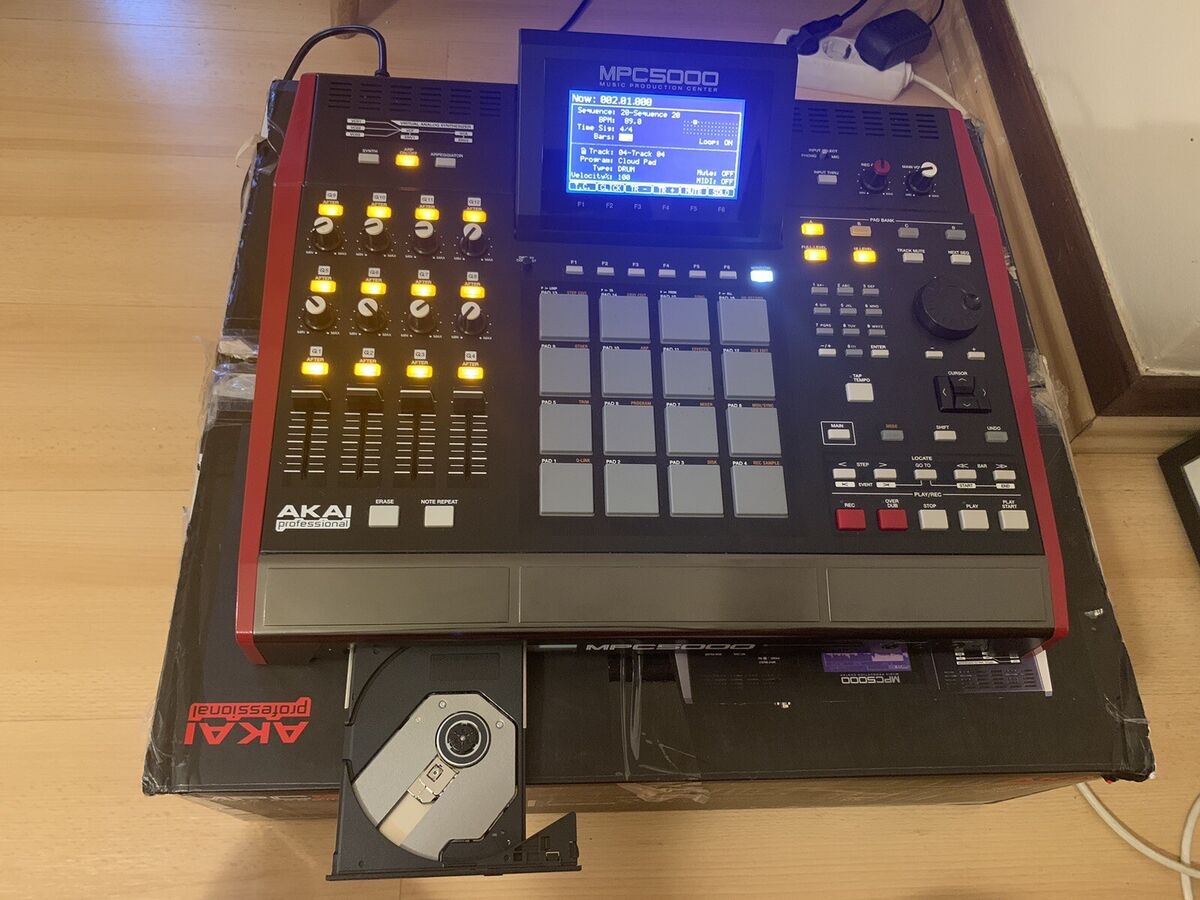
High-end MPC with expanded sampling and advanced effects.
Polyend Play
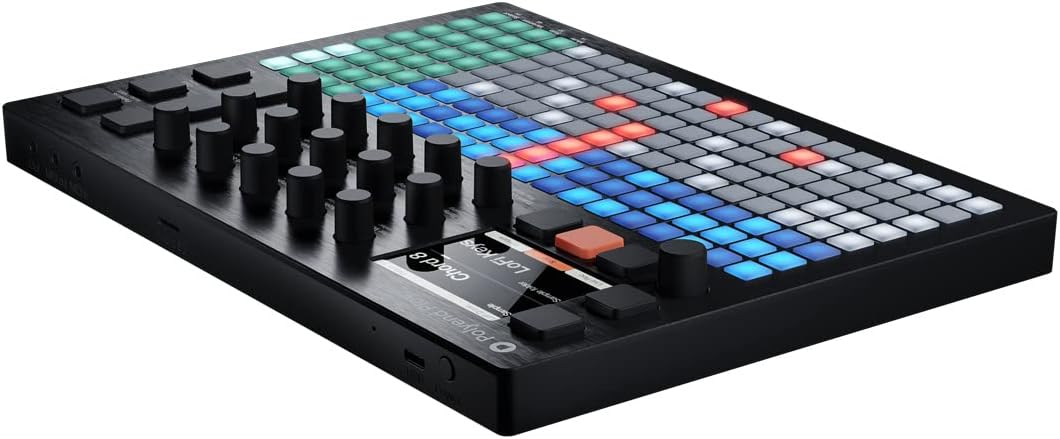
The Polyend Play is a powerful and intuitive sampler and groovebox designed for creative freedom without the complexity. It features over 30 ready-to-use sample kits, eight audio tracks, and eight polyphonic MIDI tracks, all accessible through a user-friendly interface tailored for both studio production and live performance. With 35 unique playback modes, randomizer and step repeater functions, a flexible 64-step sequencer, customizable pattern placement, onboard effects, and deep MIDI integration, the Play invites hands-on experimentation and effortless arrangement—whether you're jamming or building complete tracks from scratch.
| Spec | Akai MPC5000 | Polyend Play |
|---|---|---|
| Manufacturer | Akai Professional | Polyend |
| Year Released | 2006 | 2022 |
| Polyphony | 128 | 64 |
| Sample Rate | 44.1kHz | 44.1kHz |
| Storage | Internal Hard Drive, CompactFlash | MicroSD card |
| Pads | 16 velocity-sensitive pads | 16 velocity-sensitive pads |
| Sequencer | Yes | Yes |
| Effects | EQ, Compression, Reverb, Delay, Filtering | Multiple effects |
| I/O | MIDI In/Out, Audio In/Out | MIDI In/Out, USB, Audio In/Out |
| Screen | Color LCD | LCD display |
| Software Integration | MPC Software | No |
| Build | Standalone | Groovebox |
| Price | $1200 used | $1100 |
| More about | Details | Details |
Buy the Polyend Play on Amazon.com
Buy Now On AmazonUnlocking the Rhythmic Potential: Comparing the Polyend Play and Akai MPC5000
Summary: Discover the distinct offerings of two powerful music production tools: the Polyend Play and the Akai MPC5000. Explore their features, pros and cons, and find out which one is best suited for your musical journey.
Introduction
When it comes to creating music, having the right tools can make all the difference. Whether you’re a budding producer or a seasoned musician, choosing the right sampler can be a game-changer for your creative process. Today, we’re diving deep into two popular choices in the world of music production: the Polyend Play and the Akai MPC5000. Both of these machines offer unique features and capabilities that can help you take your music to the next level. Let’s explore what makes each of these samplers special and how they compare.
The Heartbeat of Your Music
Polyend Play: A Modern Groovebox Delight
Introduced in 2022 by Polyend, the Polyend Play is a fresh face in the world of music gear. It’s a groovebox, which means it’s designed to be an all-in-one music creation station. It comes with 64-note polyphony, allowing you to layer multiple sounds together without running out of notes. With a sample rate of 44.1kHz, it delivers high-quality sound, making sure your tracks are crisp and clear. The Polyend Play uses a MicroSD card for storage, giving you flexibility to expand as you need.
One of the standout features of the Polyend Play is its 16 velocity-sensitive pads. These pads are not just buttons; they react to how hard or soft you hit them, letting you add dynamics to your beats. The built-in sequencer is perfect for arranging your music, and the multiple effects let you experiment with different sounds and textures. With MIDI In/Out, USB, and Audio In/Out, it offers various options for connecting with other gear. Its LCD display makes navigating through its features intuitive and user-friendly, even for beginners.
Akai MPC5000: The Classic Powerhouse
Launched way back in 2006, the Akai MPC5000 has stood the test of time. Known for its robust build and expansive features, it’s a standalone sampler that doesn’t require a computer to operate. With 128-note polyphony, it offers double the note capacity of the Polyend Play, which is great for complex compositions. Like the Polyend Play, it also supports a sample rate of 44.1kHz, ensuring professional-grade audio quality.
Storage on the MPC5000 is handled through an internal hard drive and CompactFlash cards, providing ample space for all your samples and projects. It also features 16 velocity-sensitive pads, allowing for expressive beat-making. The MPC5000’s sequencer is renowned for its precision and ease of use, and it comes with a suite of effects, including EQ, Compression, Reverb, Delay, and Filtering. Its color LCD screen is a nice touch, making it easier to navigate its features. Plus, it integrates with MPC Software, which expands its capabilities even further.
Feature Comparisons
Polyphony and Sound Quality
When it comes to polyphony, the Akai MPC5000 takes the lead with 128 notes, compared to the Polyend Play’s 64. This means the MPC5000 can handle more layers of sound at the same time, which is great for complex musical arrangements. However, both devices offer the same sample rate of 44.1kHz, ensuring that the sound quality is top-notch, whether you’re using the newest gear or a classic machine.
Storage and Expandability
The Polyend Play uses a MicroSD card for storage, which is a modern and flexible option. You can easily swap cards to access different projects or expand your storage as needed. The Akai MPC5000, on the other hand, has an internal hard drive and supports CompactFlash cards. This gives it a lot of built-in storage, but it’s not as easy to expand as the Polyend Play.
Pads and Playability
Both samplers feature 16 velocity-sensitive pads, a must-have for any serious beatmaker. These pads allow you to add expression to your performances, reacting to how hard or soft you hit them. Whether you’re playing a gentle melody or a hard-hitting beat, these pads have you covered.
Sequencing and Effects
Sequencing is a key part of making music, and both devices excel in this area. The Polyend Play’s sequencer is ideal for creating loops and patterns, while the Akai MPC5000’s sequencer is known for its precision and versatility. In terms of effects, the MPC5000 offers a more extensive range, including EQ, Compression, Reverb, Delay, and Filtering. The Polyend Play also provides multiple effects, though not as many as the MPC5000.
Connectivity and Integration
When it comes to connectivity, both samplers offer MIDI In/Out and Audio In/Out, allowing you to hook them up to other gear. The Polyend Play also includes USB connectivity, making it easy to integrate with modern setups. The MPC5000, however, shines with its integration with MPC Software, which can enhance your workflow and open up new creative possibilities.
Pros and Cons
Polyend Play
Pros:
- Modern design with a user-friendly interface
- Flexible storage with MicroSD card
- USB connectivity for easy integration
- Affordable price point at $1100
Cons:
- Lower polyphony compared to the MPC5000
- Fewer built-in effects
Akai MPC5000
Pros:
- High polyphony with 128 notes
- Extensive range of effects
- Integration with MPC Software
- Robust standalone design
Cons:
- Older model with a steeper learning curve
- More expensive at $1200 used
Conclusion
In the end, both the Polyend Play and Akai MPC5000 have their own strengths and weaknesses. The Polyend Play is perfect for those who want a modern, easy-to-use groovebox with flexible storage options and USB connectivity. It’s a great choice for beginners or anyone who wants a straightforward music-making experience. On the other hand, the Akai MPC5000 is ideal for experienced producers who need high polyphony and a wide range of effects. Its integration with MPC Software makes it a powerful tool for more complex productions.
Final Verdict: Which One is Right for You?
If you’re just starting out or looking for a fresh, modern groovebox that won’t break the bank, the Polyend Play is a fantastic choice. Its intuitive interface and flexible storage make it perfect for musicians who want to jump right into creating music. However, if you’re an experienced producer looking for a classic machine with advanced features and extensive software integration, the Akai MPC5000 is the way to go. Its high polyphony and range of effects make it a powerhouse for any studio setup. Ultimately, your choice will depend on your specific needs and preferences. Happy music-making!