Akai MPC5000 — VS — Polyend Tracker
Akai MPC5000
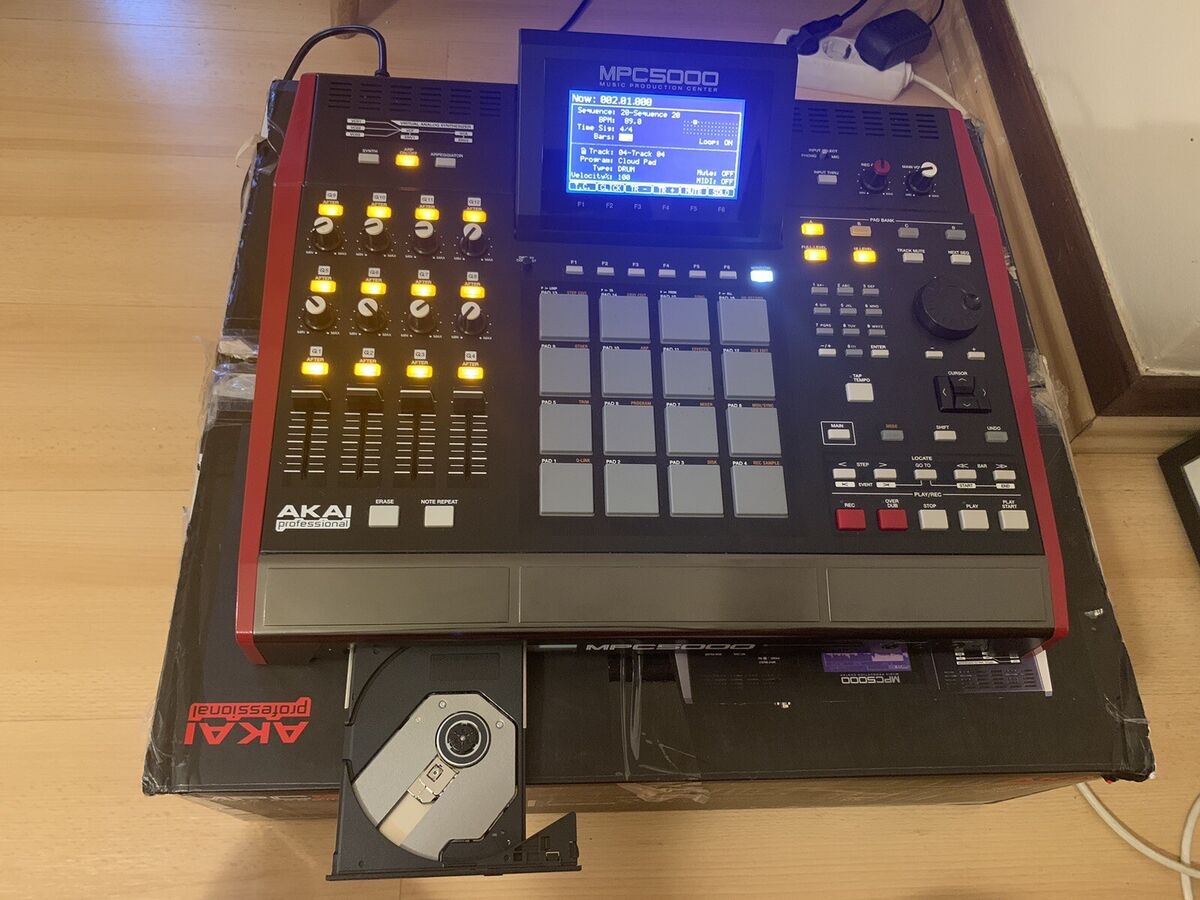
High-end MPC with expanded sampling and advanced effects.
Polyend Tracker
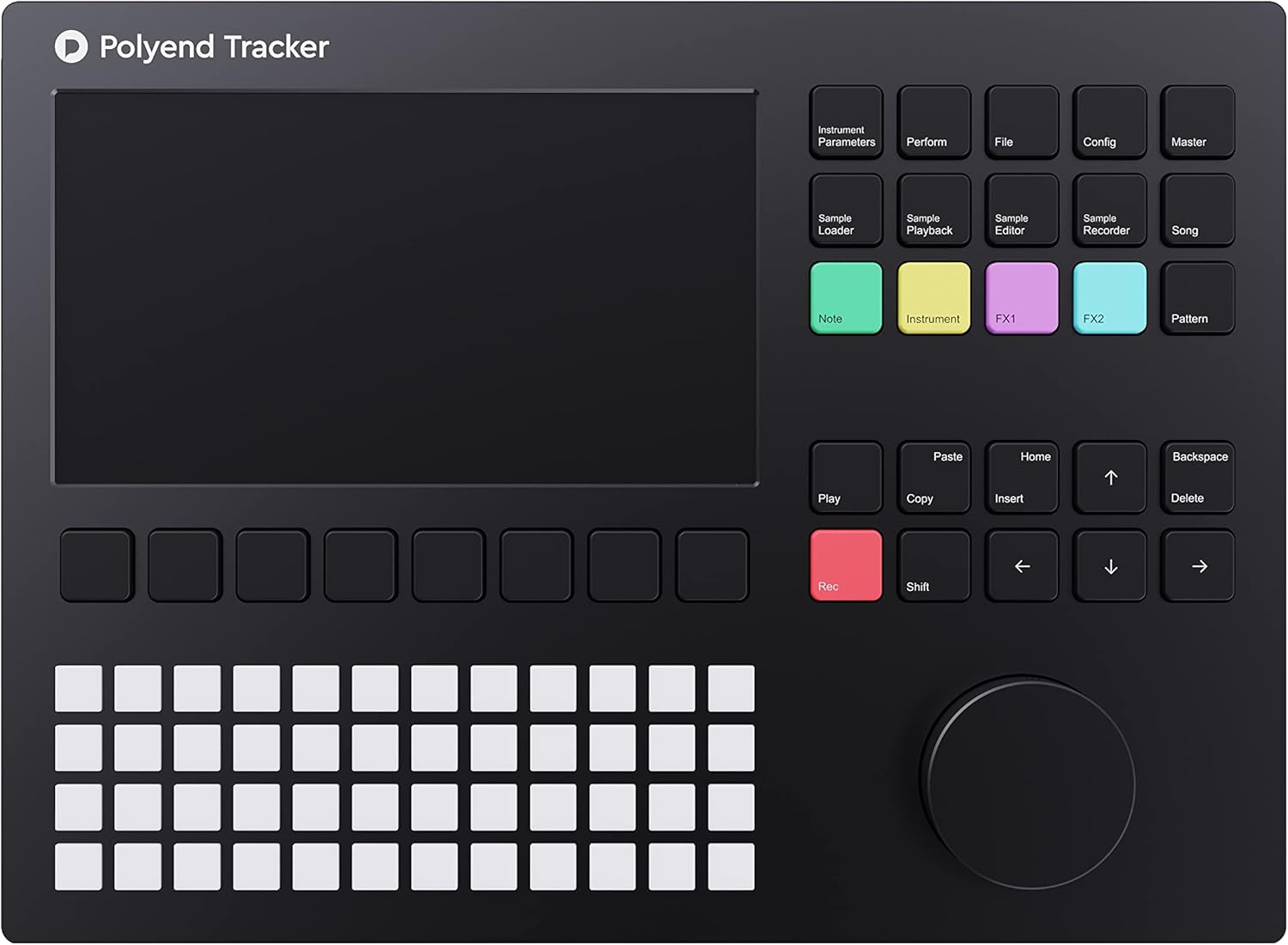
Polyend Tracker is a powerful, easy-to-use music workstation that helps you create and perform your own songs. It's compact, lightweight, and built for making music anywhere—at home, in the studio, or on the go. You can load in your own samples, record new ones with a mic or even from the built-in FM radio, then slice, shape, and play them your way. It has a simple layout, a strong sequencer, and tools like filters and effects to build full tracks. You can also connect it to other gear using MIDI. It's made for creative people who want a fresh, hands-on way to make music.
| Spec | Akai MPC5000 | Polyend Tracker |
|---|---|---|
| Manufacturer | Akai Professional | Polyend |
| Year Released | 2006 | 2020 |
| Polyphony | 128 | 64 |
| Sample Rate | 44.1kHz | 44.1kHz |
| Storage | Internal Hard Drive, CompactFlash | MicroSD card |
| Pads | 16 velocity-sensitive pads | No pads, buttons for input |
| Sequencer | Yes | Yes |
| Effects | EQ, Compression, Reverb, Delay, Filtering | Multiple effects |
| I/O | MIDI In/Out, Audio In/Out | MIDI In/Out, USB, Audio In/Out |
| Screen | Color LCD | LCD display |
| Software Integration | MPC Software | No |
| Build | Standalone | Tracker-style sampler |
| Price | $1200 used | $599 |
| More about | Details | Details |
Buy the Polyend Tracker on Amazon.com
Buy Now On AmazonPolyend Tracker vs. Akai MPC5000: A Battle of the Samplers
Summary: In this article, we’ll explore the differences and similarities between the Polyend Tracker and the Akai MPC5000. Both are powerful music production tools, but they cater to different types of music creators. Let’s dive into their features, pros, and cons to determine which one is right for you.
Introduction
Welcome, music gear enthusiasts! Today, we’re diving into the world of samplers to compare two iconic devices: the Polyend Tracker and the Akai MPC5000. These two samplers have distinct features and capabilities that make them suitable for different kinds of music-making. Whether you’re a beginner or a seasoned producer, understanding these differences will help you choose the right tool for your creative needs. Let’s get started!
Feature Comparisons
Design and Build
The Polyend Tracker, released in 2020, is a tracker-style sampler known for its unique sequencing approach. Unlike traditional samplers, it does not have pads. Instead, it uses buttons for input, which might feel different at first but allows for a more tactile and engaging experience. It sports an LCD display that provides clear visuals of your tracks and samples.
On the other hand, the Akai MPC5000, which came out in 2006, is a standalone device with a more classic MPC design. It features 16 velocity-sensitive pads, perfect for those who love drumming out beats and rhythms. Its color LCD screen offers a vibrant interface, making it easier to navigate through its many features.
Sound and Effects
Both devices have a sample rate of 44.1kHz, ensuring high-quality sound. The Polyend Tracker has 64 polyphony voices, allowing for complex compositions with multiple layers. It also includes multiple effects to enhance your sound, making it a versatile tool for creative sound design.
The Akai MPC5000 boasts 128 polyphony voices, giving you even more room to create layered and intricate tracks. It comes equipped with a range of effects, including EQ, compression, reverb, delay, and filtering, providing a comprehensive suite for sound shaping.
Storage and Connectivity
Storage is another important aspect to consider. The Polyend Tracker uses a MicroSD card for storage, making it easy to swap out memory cards and expand your sample library. It also has MIDI In/Out, USB, and audio In/Out connectivity, ensuring it can integrate smoothly into most studio setups.
The Akai MPC5000 comes with an internal hard drive and CompactFlash support for storage. This setup offers plenty of space for your samples and projects. Its connectivity options include MIDI In/Out and audio In/Out, similar to the Tracker, but it also integrates with MPC software, which can be a big plus for those who use Akai’s ecosystem.
Price and Availability
Both samplers are priced around $1200, though the Akai MPC5000 is often found used, given its release over a decade ago. This might be appealing to those looking for a high-quality sampler at a slightly lower price due to the second-hand market.
Pros and Cons
Polyend Tracker
Pros:
- Unique tracker-style sequencing
- Compact and portable
- Multiple effects for sound design
- Easy to expand storage with MicroSD cards
Cons:
- No velocity-sensitive pads, which may deter traditional beatmakers
- Limited software integration
- Learning curve for those unfamiliar with tracker-style interfaces
Akai MPC5000
Pros:
- 16 velocity-sensitive pads for dynamic beat-making
- Wide range of built-in effects
- High polyphony count
- Integration with MPC software
Cons:
- Bulkier and less portable
- Older technology might lack some modern features
- Storage options are less flexible than MicroSD
Final Verdict
Both the Polyend Tracker and the Akai MPC5000 are fantastic samplers with their own strengths and weaknesses. The Polyend Tracker is best for those who appreciate a modern, innovative approach to sequencing and don’t mind the absence of traditional pads. It’s perfect for producers who enjoy experimenting with new methods and need a portable solution.
The Akai MPC5000, however, is ideal for those who love the classic MPC workflow with pads and require deep integration with Akai’s software ecosystem. Its comprehensive set of effects and high polyphony make it suitable for complex, layered music production.
In conclusion, your choice should depend on your workflow preferences and the type of music you aim to create. Happy music-making!