Akai MPC5000 — VS — Polyend Tracker+
Akai MPC5000
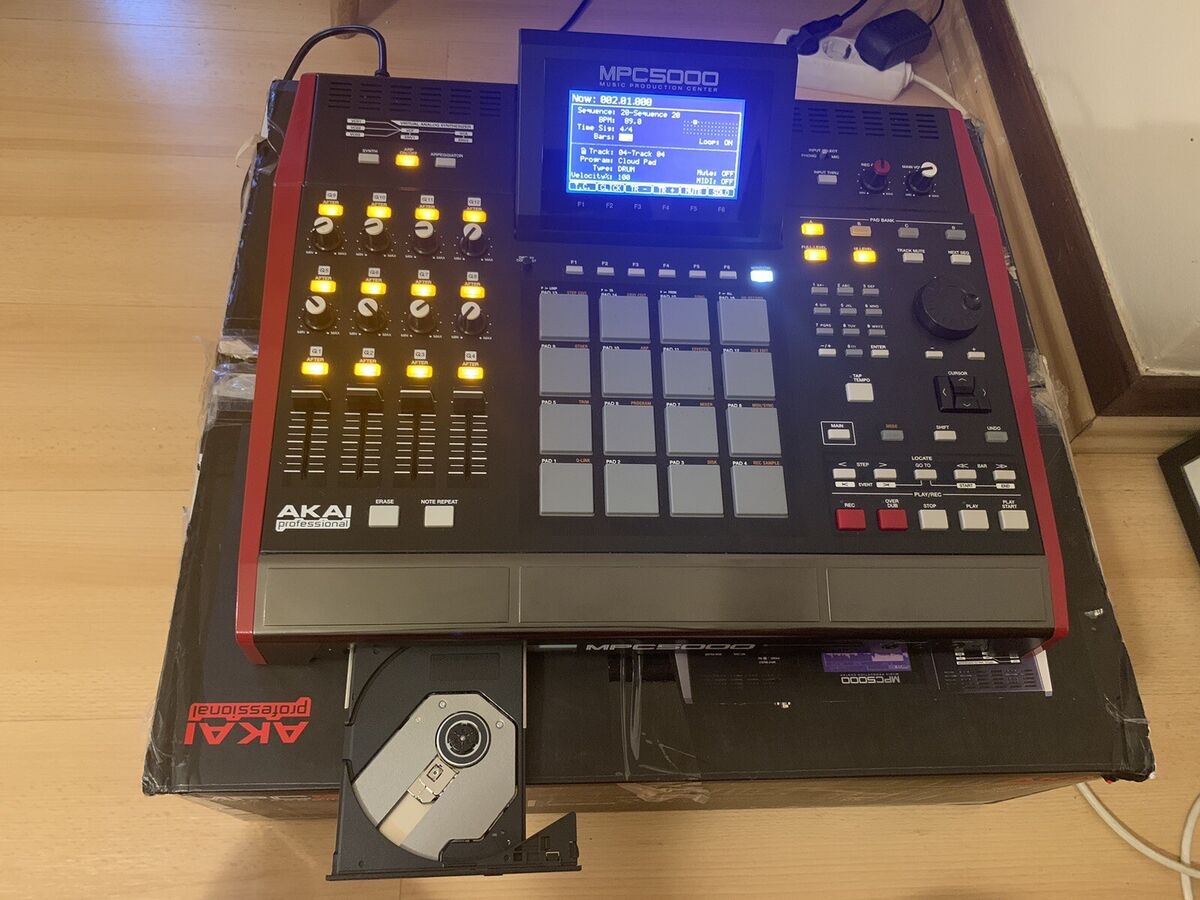
High-end MPC with expanded sampling and advanced effects.
Polyend Tracker+
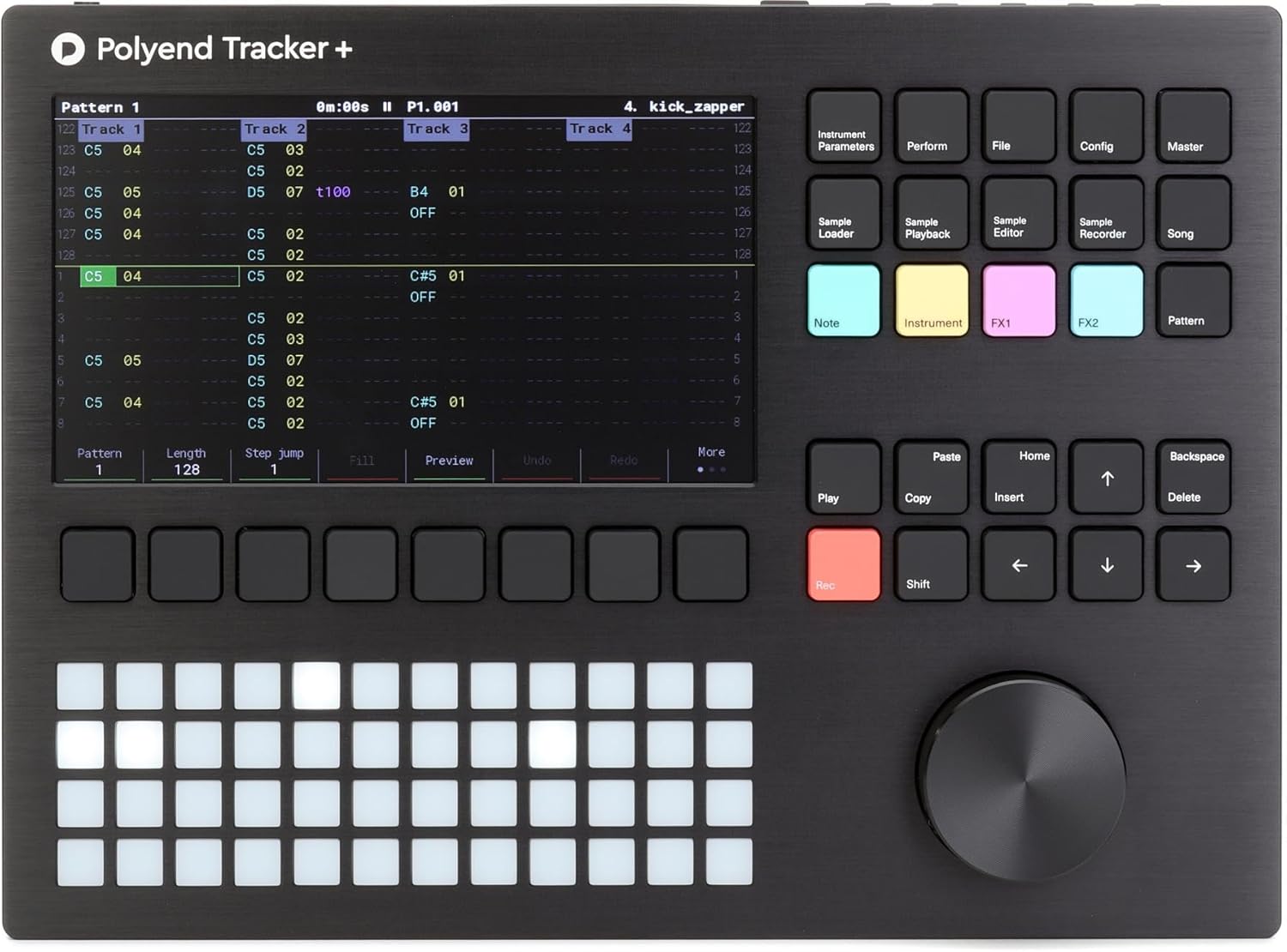
The Polyend Tracker+ is a powerful music-making machine that fits in a small, easy-to-use box. It combines a sampler, drum machine, synthesizer, and sequencer all in one. You get 16 tracks to build full songs, with half for instruments and half for MIDI. It has more memory, faster performance, and new sound tools to help you create better music. You can plug it into your computer with USB or use it on its own. It's perfect for musicians who want a simple but powerful way to make beats and songs anywhere.
| Spec | Akai MPC5000 | Polyend Tracker+ |
|---|---|---|
| Manufacturer | Akai Professional | Polyend |
| Year Released | 2006 | 2024 |
| Polyphony | 128 | 64 |
| Sample Rate | 44.1kHz | 44.1kHz |
| Storage | Internal Hard Drive, CompactFlash | MicroSD card |
| Pads | 16 velocity-sensitive pads | No pads, buttons for input |
| Sequencer | Yes | 16-track Sequencer |
| Effects | EQ, Compression, Reverb, Delay, Filtering | Multiple effects |
| I/O | MIDI In/Out, Audio In/Out | Stereo Line In, Stereo Line/Headphones Out, MIDI In / MIDI Out,USB-C |
| Screen | Color LCD | LCD display |
| Software Integration | MPC Software | Yes, 14 tracks via USB to your DAW |
| Build | Standalone | Tracker-style sampler |
| Price | $1200 used | $799 |
| More about | Details | Details |
Buy the Polyend Tracker+ on Amazon.com
Buy Now On AmazonSampler Showdown: Akai MPC5000 vs. Polyend Tracker+
For music gear enthusiasts, choosing the right sampler can be an exciting yet daunting task. In this article, we’ll dive into a detailed comparison of two popular samplers: the Akai MPC5000 and the Polyend Tracker+. We’ll explore their features, strengths, and who they are best suited for, so you can decide which one is the right fit for your music production needs.
Introduction
When it comes to making music, samplers play a crucial role. They allow musicians to create and manipulate sounds, turning simple samples into full-fledged compositions. Today, we will look at two samplers that have captured the hearts of many: the classic Akai MPC5000 and the modern Polyend Tracker+. These two devices, despite their differences, are both powerful tools in a musician’s arsenal. Let’s dive deeper and see what makes each of them special.
Feature Comparisons
Design and Build
The Akai MPC5000 is a robust standalone device that exudes a classic look and feel. Built in 2006, it features a color LCD screen and a solid build that includes 16 velocity-sensitive pads. This setup is perfect for those who love the tactile feel of pressing pads to trigger sounds. On the other hand, the Polyend Tracker+ is a sleek, modern tracker-style sampler released in 2024. It swaps out pads for buttons and has a compact design, which makes it highly portable. It features a clear LCD display and a USB-C connection, showing its modern take on music production.
Sound and Polyphony
In terms of sound capabilities, the Akai MPC5000 boasts a polyphony of 128, which means it can play numerous sounds at once without cutting any off. It supports a sample rate of 44.1kHz, ensuring high-quality sound reproduction. Meanwhile, the Polyend Tracker+ offers a polyphony of 64, which is less than the MPC5000 but still quite powerful for most production needs. It also uses a 44.1kHz sample rate. While the MPC5000 might have the edge in polyphony, the Tracker+ balances it with modern features and efficiency.
Storage and Connectivity
Storage is another crucial aspect to consider. The MPC5000 comes with an internal hard drive and supports CompactFlash, allowing for ample storage of samples and projects. It also includes MIDI In/Out and Audio In/Out connectivity. The Polyend Tracker+ opts for a more compact storage solution with a MicroSD card, offering portability and ease of swapping samples on the go. It supports Stereo Line In, Stereo Line/Headphones Out, MIDI In/Out, and USB-C, providing versatile connectivity options.
Sequencing and Effects
The Akai MPC5000 is equipped with a powerful sequencer and a range of effects including EQ, compression, reverb, delay, and filtering, making it a versatile tool for crafting complex beats. The Polyend Tracker+, while also having a 16-track sequencer, focuses on simplicity and speed, allowing musicians to quickly lay down their ideas. It also boasts multiple effects, though it might not be as comprehensive as the MPC5000 in this regard.
Software Integration
Both devices offer software integration, but in different ways. The MPC5000 integrates with MPC Software, which is a boon for users familiar with Akai’s ecosystem. The Polyend Tracker+ can connect to your DAW via USB, allowing 14 tracks of integration, making it flexible for those who prefer working within a digital audio workstation.
Pros and Cons
Akai MPC5000
Pros:
- High polyphony (128) for complex compositions
- Rich in effects and sequencing capabilities
- Classic standalone build with tactile pads
Cons:
- Larger and less portable
- Higher price point (around $1200 used)
Polyend Tracker+
Pros:
- Compact, portable, and modern design
- Affordable price ($799)
- Easy USB connectivity with DAWs
Cons:
- Lower polyphony (64) compared to MPC5000
- Lacks tactile pads, using buttons instead
Summary
Both the Akai MPC5000 and the Polyend Tracker+ have their unique qualities. The MPC5000 is a powerhouse with extensive sequencing and effects capabilities, making it ideal for those who prefer a tactile music-making experience. The Tracker+ is a modern, portable solution that excels in ease of use and integration with digital setups.
Final Verdict
The Akai MPC5000 is best suited for musicians who value a classic standalone setup with rich capabilities and don’t mind the larger size or higher price. It’s perfect for studio producers who require deep sequencing and extensive effects processing.
The Polyend Tracker+ is designed for musicians who crave portability and modern connectivity without sacrificing functionality. It’s ideal for those who want to create music on the go or have a streamlined workflow with their DAW.
Whether you’re a seasoned producer or a budding musician, both samplers offer unique features that can elevate your music-making journey. Choose the one that fits your style and start crafting your next hit today!