Akai MPC5000 — VS — Roland SP-404A
Akai MPC5000
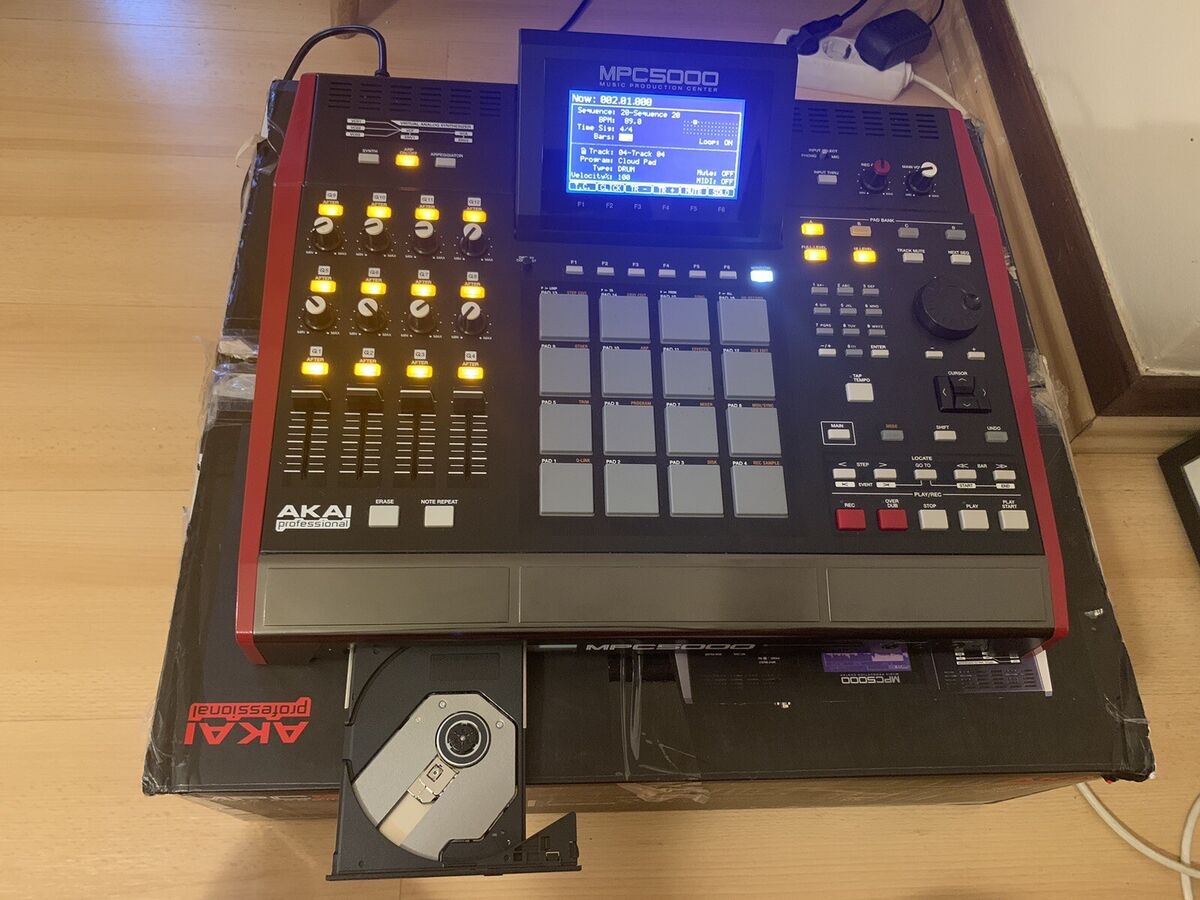
High-end MPC with expanded sampling and advanced effects.
Roland SP-404A
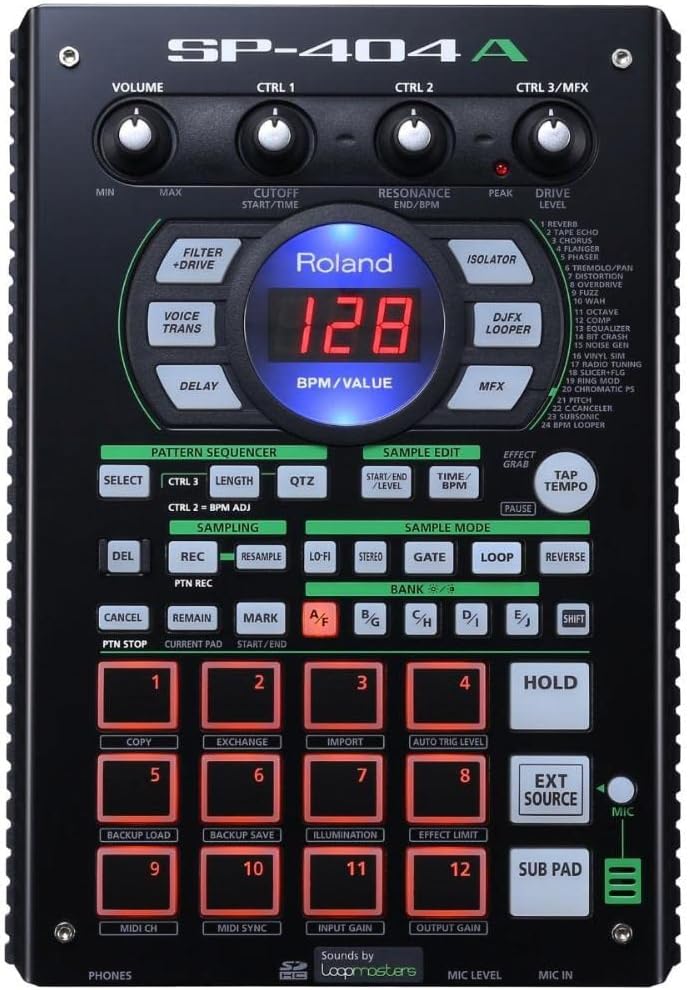
The SP-404A is a fun music machine made for live shows. You can use it to play cool sounds, beats, and effects. It works really well with another music tool called the Roland TR-8, but you can also use it by itself. It has 12 big buttons you can press to play sounds, plus lots of awesome effects to change how your music feels. It even comes with a card full of great sounds to get you started. Whether you're a DJ, a musician, or just love making beats, the SP-404A helps you create music in a fun and easy way.
| Spec | Akai MPC5000 | Roland SP-404A |
|---|---|---|
| Manufacturer | Akai Professional | Roland |
| Year Released | 2006 | 2017 |
| Polyphony | 128 | 128 |
| Sample Rate | 44.1kHz | 44.1kHz |
| Storage | Internal Hard Drive, CompactFlash | SD card |
| Pads | 16 velocity-sensitive pads | 12 velocity-sensitive pads |
| Sequencer | Yes | No |
| Effects | EQ, Compression, Reverb, Delay, Filtering | Vintage effects, Reverb, Delay |
| I/O | MIDI In/Out, Audio In/Out | MIDI In/Out, USB, Audio In/Out |
| Screen | Color LCD | OLED display |
| Software Integration | MPC Software | Roland Software |
| Build | Standalone | Portable |
| Price | $1200 used | $600 |
| More about | Details | Details |
Buy the Roland SP-404A on Amazon.com
Buy Now On AmazonRoland SP-404A vs. Akai MPC5000: A Sampler Showdown
If you’re a music producer looking to get your hands on a sampler, you may have come across the Roland SP-404A and the Akai MPC5000. Both are powerhouses in their own right, but they cater to different needs and styles. In this article, we’ll dive deep into what makes each of these samplers unique and help you decide which one might be the perfect fit for you.
Introduction
Music production is a thrilling journey, and choosing the right gear can make all the difference. Today, we’re comparing two popular samplers: the Roland SP-404A and the Akai MPC5000. Both have their own set of features, pros, and cons. Whether you’re a beginner or a seasoned producer, understanding these differences will help you make an informed choice.
Feature Comparison
Polyphony and Sound Quality
Both the Roland SP-404A and the Akai MPC5000 offer a polyphony of 128, which means they can play multiple sounds at once. This is great for creating rich and layered music. They both operate at a sample rate of 44.1kHz, providing high-quality sound that’s standard for many professional recordings.
Storage and Memory
When it comes to storage, the Roland SP-404A uses SD cards, making it easy to swap out and expand your storage as needed. On the other hand, the Akai MPC5000 comes with an internal hard drive and also supports CompactFlash cards. This gives you more built-in storage but may require additional steps to expand beyond the internal capacity.
Pads and Playability
The Roland SP-404A features 12 velocity-sensitive pads, making it a compact and portable option for live performances. The Akai MPC5000, however, boasts 16 velocity-sensitive pads, offering more flexibility and control for intricate beat-making.
Sequencer Capabilities
One of the major differences between these two samplers is the sequencer. The Roland SP-404A does not have a built-in sequencer, which means it focuses more on live performance and on-the-fly sampling. The Akai MPC5000, in contrast, includes a powerful sequencer, making it ideal for detailed production work where arranging and composing are key.
Effects and Sound Shaping
Both samplers offer a range of effects, but they are tailored to different needs. The Roland SP-404A includes vintage effects along with reverb and delay, which are perfect for adding a classic touch to your samples. The Akai MPC5000 expands on this with EQ, compression, reverb, delay, and filtering, offering more advanced sound shaping capabilities.
Input and Output Options
In terms of connectivity, both samplers provide MIDI In/Out and Audio In/Out. The Roland SP-404A also includes USB connectivity, which enhances its compatibility with modern setups. The Akai MPC5000, being an older model, may not include USB but still offers robust connectivity for traditional setups.
Screen and User Interface
The Roland SP-404A features a simple OLED display, which is adequate for its straightforward operation. In contrast, the Akai MPC5000 includes a color LCD screen, providing a more detailed and interactive user experience.
Software Integration
The Roland SP-404A integrates with Roland Software, allowing for smooth transitions between hardware and software environments. The Akai MPC5000 connects with MPC Software, which is highly regarded for its comprehensive production capabilities.
Pros and Cons
Roland SP-404A
Pros:
- Portable and compact, ideal for live performances.
- Easy storage expansion with SD cards.
- Vintage effects for classic sound styling.
Cons:
- No built-in sequencer limits production capabilities.
- Fewer pads compared to the MPC5000.
- Less advanced effects compared to MPC5000.
Akai MPC5000
Pros:
- Powerful built-in sequencer for detailed production.
- More pads for complex beat-making.
- Advanced effects for professional sound shaping.
Cons:
- Larger and less portable than the SP-404A.
- Internal storage expansion can be complex.
- Higher price point, even when used.
Conclusion
Choosing between the Roland SP-404A and the Akai MPC5000 depends largely on your needs and how you plan to use the sampler. The SP-404A is perfect for live performers who need a portable and straightforward tool. On the other hand, the MPC5000 is a powerhouse for producers who want a comprehensive, studio-grade instrument.
Final Verdict
If you’re a live performer looking for a reliable and portable sampler, the Roland SP-404A is likely your best bet. Its vintage effects and SD card compatibility make it a favorite among on-the-go musicians. However, if you’re a serious producer who wants advanced features and a powerful sequencer, the Akai MPC5000 may be the better choice, offering deeper sound shaping and production capabilities.
In the end, both samplers have stood the test of time and continue to serve music enthusiasts worldwide. Whether creating beats on stage or crafting masterpieces in the studio, each offers tools to unleash your creativity.