Akai MPC5000 — VS — Sonicware Lofi-12 XT [Limited Retro Color]
Akai MPC5000
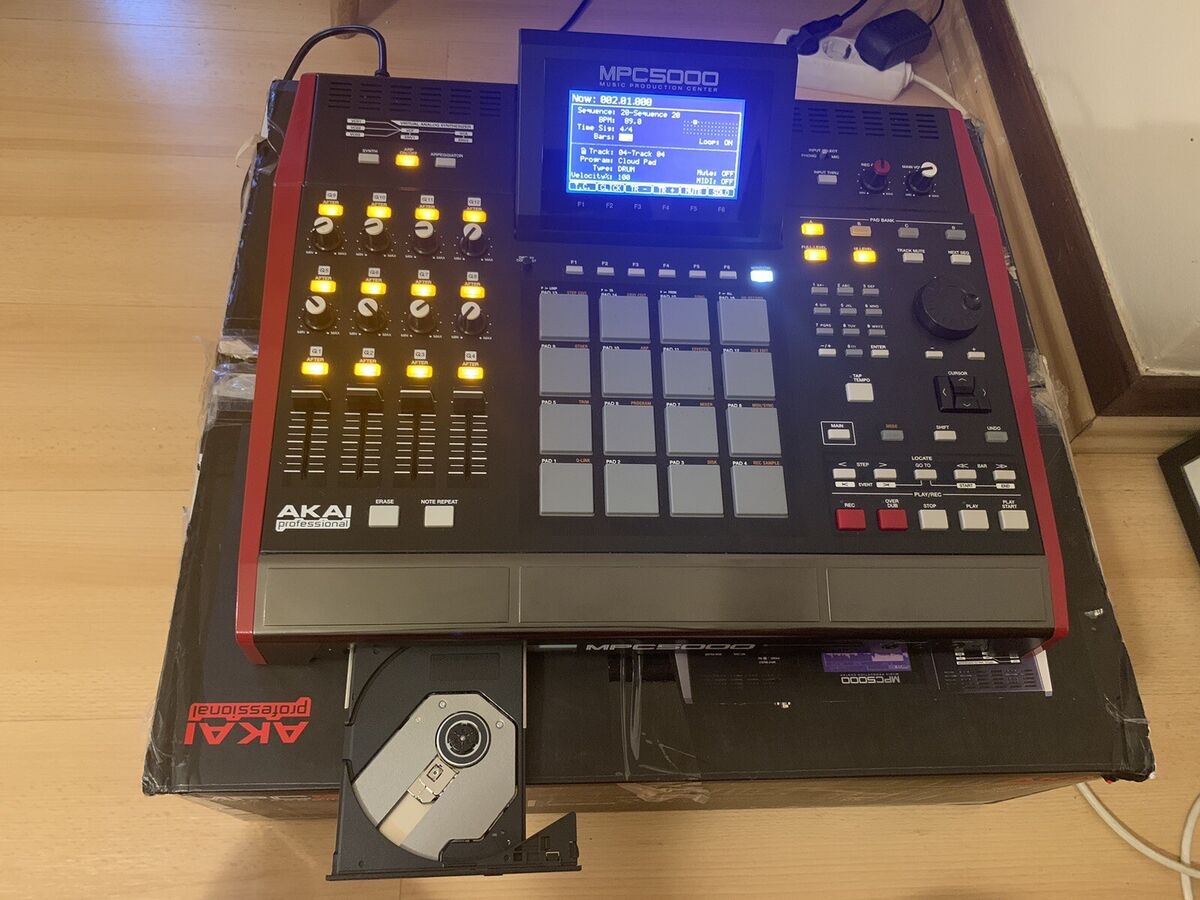
High-end MPC with expanded sampling and advanced effects.
Sonicware Lofi-12 XT [Limited Retro Color]
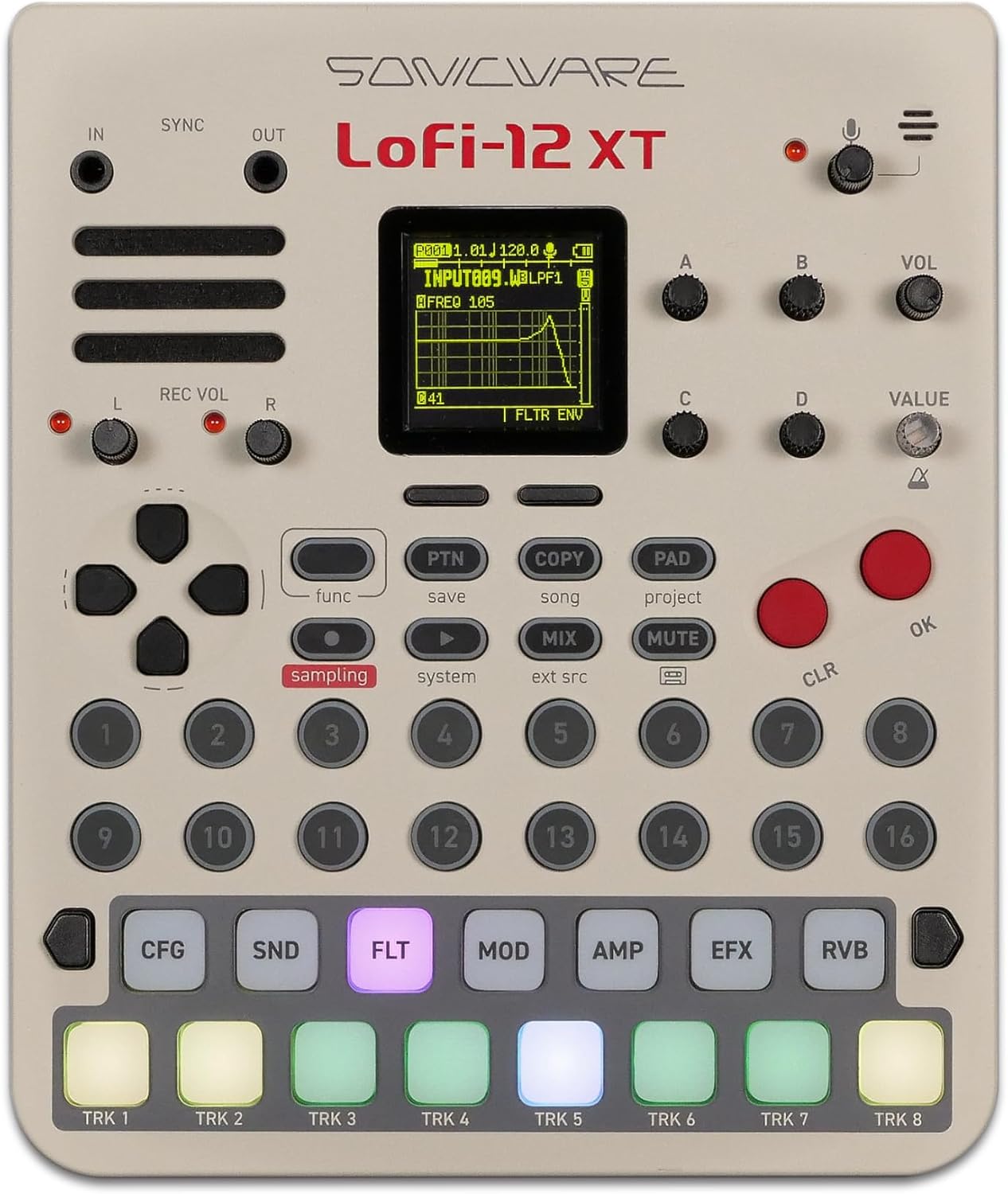
The Limited Retro Color edition of the Sonicware Lofi-12 XT offers the same creative sampling power and effects as the standard model, but with a vintage-inspired look. It's perfect for lo-fi producers looking for classic aesthetics alongside modern performance.
| Spec | Akai MPC5000 | Sonicware Lofi-12 XT [Limited Retro Color] |
|---|---|---|
| Manufacturer | Akai Professional | Sonicware |
| Year Released | 2006 | 2024 |
| Polyphony | 128 | 10 |
| Sample Rate | 44.1kHz | 12kHz / 24kHz / 48kHz |
| Storage | Internal Hard Drive, CompactFlash | SD card |
| Pads | 16 velocity-sensitive pads | 8 velocity-sensitive pads |
| Sequencer | Yes | Yes |
| Effects | EQ, Compression, Reverb, Delay, Filtering | Reverb, Delay, Bit Crusher, Chorus, EQ |
| I/O | MIDI In/Out, Audio In/Out | Line In/Out, Headphone, MIDI In/Out, USB-C |
| Screen | Color LCD | OLED screen |
| Software Integration | MPC Software | None |
| Build | Standalone | Portable groovebox (Retro Color) |
| Price | $1200 used | $299 |
| More about | Details | Details |
Buy the Sonicware Lofi-12 XT [Limited Retro Color] on Amazon.com
Buy Now On AmazonAkai MPC5000 vs. Sonicware Lofi-12 XT [Limited Retro Color]: A Sampler Showdown
Summary: In this blog post, we compare the Akai MPC5000 and the Sonicware Lofi-12 XT [Limited Retro Color]. We’ll look at their features, pros and cons, and help you decide which sampler is best for you.
Introduction
Hey there, music gear enthusiasts! Are you on the hunt for a new sampler? Today, we’re diving deep into two exciting options: the Akai MPC5000 and the Sonicware Lofi-12 XT [Limited Retro Color]. These samplers come from different worlds but offer unique features that cater to different styles and needs. Whether you’re an experienced producer or just starting your beat-making journey, this comparison will help you find the perfect fit for your music-making adventures.
Feature Comparison
Build and Design
First up, let’s talk about how these devices look and feel. The Akai MPC5000 is a powerhouse with a traditional standalone design. Released in 2006, it features a robust build that houses 16 velocity-sensitive pads and a color LCD screen. It exudes a classic feel that many producers appreciate.
On the other hand, the Sonicware Lofi-12 XT [Limited Retro Color] is a portable groovebox with a fresh twist. Released in 2024, its Limited Retro Color edition gives it a vintage-inspired look that is both stylish and compact. With 8 velocity-sensitive pads and an OLED screen, it’s designed for portability and ease of use.
Polyphony and Sample Rate
When it comes to polyphony, the Akai MPC5000 takes the lead with a whopping 128 voices. This means you can layer many sounds without worrying about cutting off notes. Its sample rate of 44.1kHz ensures clear and professional sound quality.
In contrast, the Sonicware Lofi-12 XT offers 10 voices of polyphony, which is more than enough for lo-fi producers who often prefer a minimalist approach. Its variable sample rate options (12kHz, 24kHz, and 48kHz) offer flexibility for creating different textures, especially for those who love experimenting with lo-fi sounds.
Storage Options
The Akai MPC5000 comes with an internal hard drive and CompactFlash storage, providing ample space for your samples and projects. This makes it ideal for producers who need to store large libraries and complex arrangements.
The Sonicware Lofi-12 XT relies on SD card storage, making it easy to swap cards and access different sets of samples on the go. This is perfect for musicians who like to travel light and need quick access to their sound libraries.
Effects and Sequencer
Both samplers come equipped with effects that can transform your music. The Akai MPC5000 offers a range of effects such as EQ, compression, reverb, delay, and filtering. These effects allow for intricate sound design and give you the tools to craft polished tracks.
The Sonicware Lofi-12 XT is no slouch either, providing effects like reverb, delay, bit crusher, chorus, and EQ. These are particularly suited for lo-fi and experimental music, helping you achieve that gritty, nostalgic sound.
When it comes to sequencing, both devices include a sequencer, allowing you to compose and arrange your music directly on the hardware. The MPC5000’s sequencer is known for its depth and versatility, while the Lofi-12 XT’s sequencer is praised for its simplicity and ease of use.
Inputs and Outputs
The Akai MPC5000 offers MIDI In/Out and Audio In/Out, providing comprehensive connectivity for integrating with other studio equipment. This makes it a great choice for studio-focused producers who need to connect various devices.
The Sonicware Lofi-12 XT features Line In/Out, Headphone, MIDI In/Out, and USB-C connectivity, making it versatile for both studio and mobile setups. The USB-C port allows for easy integration with modern devices, perfect for tech-savvy musicians.
Software Integration
The Akai MPC5000 integrates with MPC Software, offering a seamless bridge between hardware and software. This is ideal for producers who enjoy using both traditional and digital workflows.
Conversely, the Sonicware Lofi-12 XT does not offer software integration, which aligns with its focus on standalone performance and simplicity. This could be a pro or a con depending on your production style.
Pros and Cons
Akai MPC5000
Pros:
- High polyphony (128 voices)
- Wide range of effects for professional sound design
- Ample storage with internal hard drive and CompactFlash
- Strong software integration with MPC Software
Cons:
- Higher price point ($1200 used)
- Larger and less portable
- Older model with potentially outdated components
Sonicware Lofi-12 XT [Limited Retro Color]
Pros:
- Affordable price ($299)
- Portable and stylish design
- Flexible sample rate options for diverse sound textures
- Easy-to-use sequencer
Cons:
- Lower polyphony (10 voices)
- Limited storage compared to internal hard drives
- No software integration
Final Verdict
In summary, both the Akai MPC5000 and the Sonicware Lofi-12 XT [Limited Retro Color] offer unique features that cater to different types of producers.
The Akai MPC5000 is best suited for experienced producers who need a powerful tool with extensive features and connectivity for studio work. Its high polyphony and robust effects make it perfect for crafting complex tracks.
On the other hand, the Sonicware Lofi-12 XT is ideal for lo-fi enthusiasts and beginners who appreciate a portable device with vintage aesthetics. Its simplicity, flexibility, and affordability make it a great choice for those exploring creative sound design without breaking the bank.
Ultimately, the best sampler for you depends on your specific needs, budget, and creative goals. Happy music-making!