Akai MPC5000 — VS — Teenage Engineering EP-133 K.O. II Sampler
Akai MPC5000
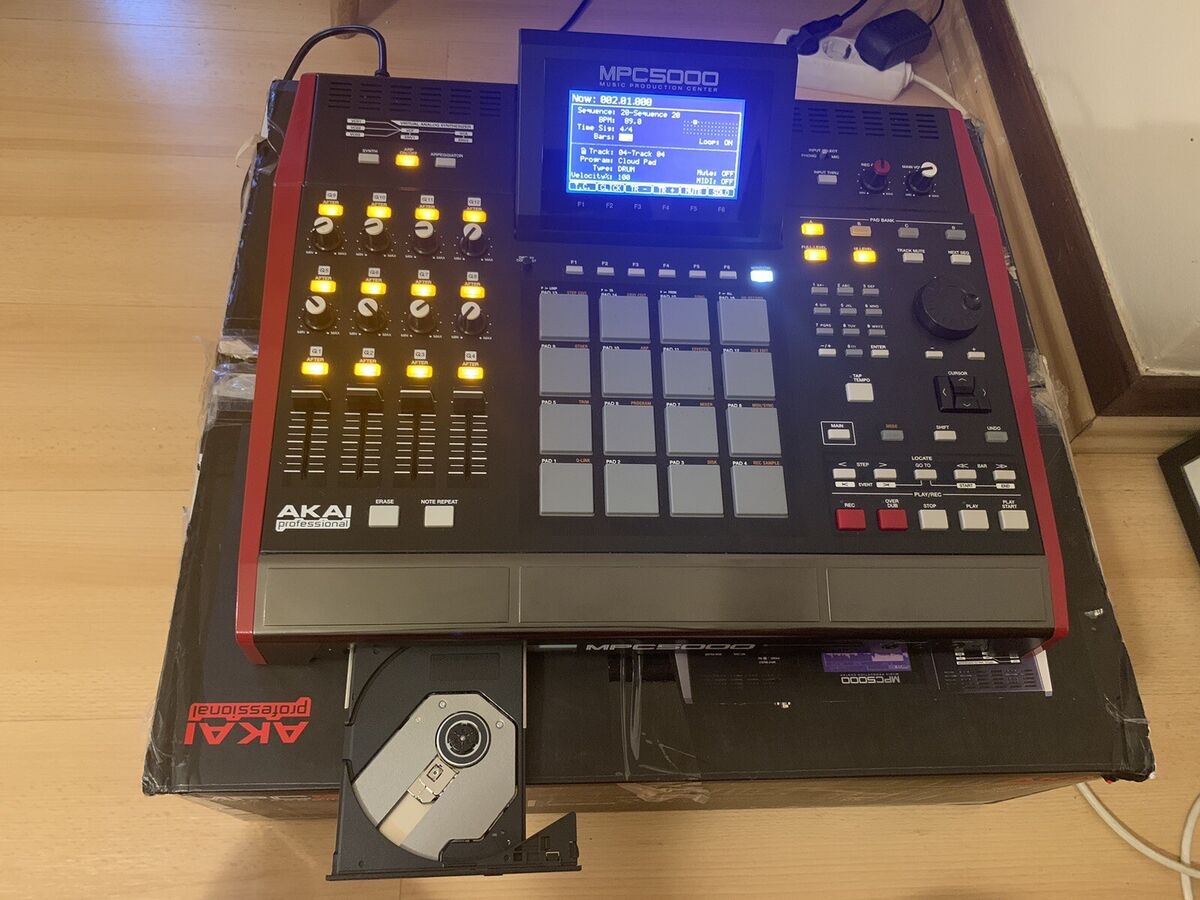
High-end MPC with expanded sampling and advanced effects.
Teenage Engineering EP-133 K.O. II Sampler
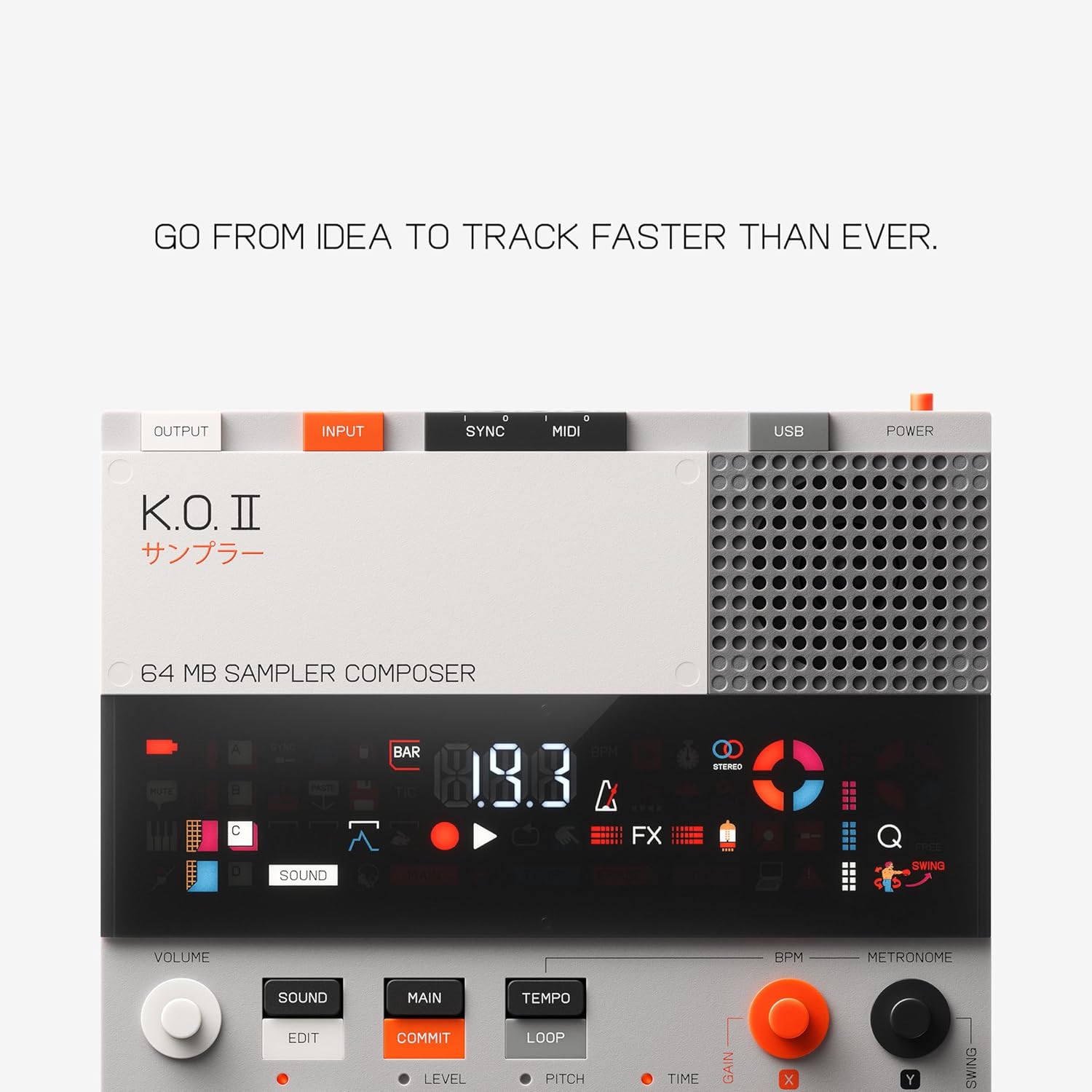
The EP-133 K.O. II is Teenage Engineering's next-gen portable sampler. It features punchy pads, step sequencing, powerful FX, and sample warping—all in a stylish and compact design. It's a fantastic upgrade from the original PO-33 for musicians looking for portability and hands-on performance.
| Spec | Akai MPC5000 | Teenage Engineering EP-133 K.O. II Sampler |
|---|---|---|
| Manufacturer | Akai Professional | Teenage Engineering |
| Year Released | 2006 | 2023 |
| Polyphony | 128 | Polyphonic (unspecified) |
| Sample Rate | 44.1kHz | 16-bit / 46.875kHz |
| Storage | Internal Hard Drive, CompactFlash | Internal + microSD |
| Pads | 16 velocity-sensitive pads | 16 velocity-sensitive pads |
| Sequencer | Yes | Yes |
| Effects | EQ, Compression, Reverb, Delay, Filtering | Filter, Delay, Reverb, Compression |
| I/O | MIDI In/Out, Audio In/Out | USB-C, Line In/Out, MIDI via TRS |
| Screen | Color LCD | OLED display |
| Software Integration | MPC Software | Minimal, plug-and-play |
| Build | Standalone | Durable plastic housing with step sequencer |
| Price | $1200 used | $299 |
| More about | Details | Details |
Buy the Teenage Engineering EP-133 K.O. II Sampler on Amazon.com
Buy Now On AmazonAkai MPC5000 vs. Teenage Engineering EP-133 K.O. II: Which Sampler is Right for You?
Are you a music enthusiast looking to dive into the world of sampling? Whether you’re just starting out or you’re a seasoned pro, picking the right sampler can be a tough decision. Today, we’re comparing two popular devices: the Akai MPC5000 and the Teenage Engineering EP-133 K.O. II Sampler. In this blog post, we’ll break down the features, pros, and cons of each to help you decide which one is perfect for you.
Introduction
Sampling is a fantastic way to create unique sounds and add texture to your music. From hip-hop beats to electronic soundscapes, samplers can open up a world of creative possibilities. The Akai MPC5000 and Teenage Engineering EP-133 K.O. II Sampler are both excellent choices, but they cater to different needs and budgets. So, let’s dive into the details to see which one might be your next musical companion.
Features Comparison
Design and Build
Akai MPC5000: Released in 2006 by Akai Professional, the MPC5000 is a high-end, standalone sampler. It boasts a robust build with 16 velocity-sensitive pads, a color LCD screen, and a range of I/O options including MIDI In/Out and Audio In/Out. The MPC5000 is known for its durability and is ideal for those who need a reliable studio centerpiece.
Teenage Engineering EP-133 K.O. II Sampler: Fast forward to 2023, and we have the EP-133 K.O. II from Teenage Engineering. This next-gen portable sampler features a durable plastic housing with a step sequencer and an OLED display. It’s compact and stylish, making it perfect for musicians on the go. The EP-133 K.O. II is lightweight yet sturdy, designed for portability without sacrificing quality.
Sound Quality and Effects
Akai MPC5000: The MPC5000 offers a sample rate of 44.1kHz and 128-note polyphony, delivering high-quality sound. It comes equipped with a range of effects including EQ, Compression, Reverb, Delay, and Filtering. This makes it incredibly versatile for creating rich, layered sounds. The MPC5000’s effects are robust, providing users with professional-grade audio processing.
Teenage Engineering EP-133 K.O. II Sampler: While the EP-133 K.O. II has a lower sample rate of 16-bit / 46.875kHz, it still delivers punchy and vibrant audio. The device includes a variety of effects, such as Filter, Delay, Reverb, and Compression, which are great for adding depth and character to your samples. Its polyphony is unspecified, but it allows for polyphonic playback, making it flexible for different musical styles.
Storage and Connectivity
Akai MPC5000: This sampler features an internal hard drive and CompactFlash storage, providing ample space for your samples and projects. Its connectivity options include MIDI In/Out and Audio In/Out, making it highly compatible with other studio gear. The MPC5000 is great for those who need extensive storage and connectivity options for complex setups.
Teenage Engineering EP-133 K.O. II Sampler: The EP-133 K.O. II uses internal storage with an additional microSD slot for expanding memory. It connects via USB-C, Line In/Out, and MIDI via TRS, offering a modern and streamlined approach to connectivity. This sampler is perfect for users who prioritize portability and simple, plug-and-play integration.
Sequencer and Software Integration
Akai MPC5000: Equipped with an advanced sequencer, the MPC5000 makes it easy to create intricate patterns and loops. It seamlessly integrates with MPC Software, offering a comprehensive platform for editing and arranging your music. This integration is ideal for users who prefer a more traditional hardware-software workflow.
Teenage Engineering EP-133 K.O. II Sampler: The EP-133 K.O. II features a step sequencer that allows for intuitive pattern creation. It has minimal software integration, focusing on a straightforward, hands-on approach. This makes it great for users who enjoy creating on the fly without the need for extensive software.
Pros and Cons
Akai MPC5000
Pros:
- High-quality sound with 128-note polyphony
- Wide range of effects and connectivity options
- Sturdy build, perfect for studio use
- Comprehensive software integration
Cons:
- Larger and less portable
- Higher price point at $1200 used
- More complex setup, which may be overwhelming for beginners
Teenage Engineering EP-133 K.O. II Sampler
Pros:
- Compact and portable design
- Affordable price at $299
- Easy-to-use interface with hands-on controls
- Modern connectivity options
Cons:
- Lower sample rate compared to MPC5000
- Limited storage capacity without microSD expansion
- Minimal software integration
Summary
Both the Akai MPC5000 and the Teenage Engineering EP-133 K.O. II Sampler offer unique features that cater to different users. The MPC5000 is a powerhouse for professional studio work, while the EP-133 K.O. II is perfect for portable and on-the-go creativity.
Final Verdict
If you’re a professional looking for a robust and high-quality sampler for studio use, the Akai MPC5000 is the right choice. It offers extensive features and connectivity options, making it a versatile tool for serious music production.
On the other hand, if you’re a beginner or a musician who values portability and ease of use, the Teenage Engineering EP-133 K.O. II Sampler is perfect for you. Its compact design and affordable price make it an excellent choice for those just starting out or needing a sampler for live performances.
By understanding the strengths and limitations of each device, you can choose the sampler that best fits your musical needs and budget. Happy sampling!