Akai MPC5000 — VS — Teenage Engineering OP-1 Field
Akai MPC5000
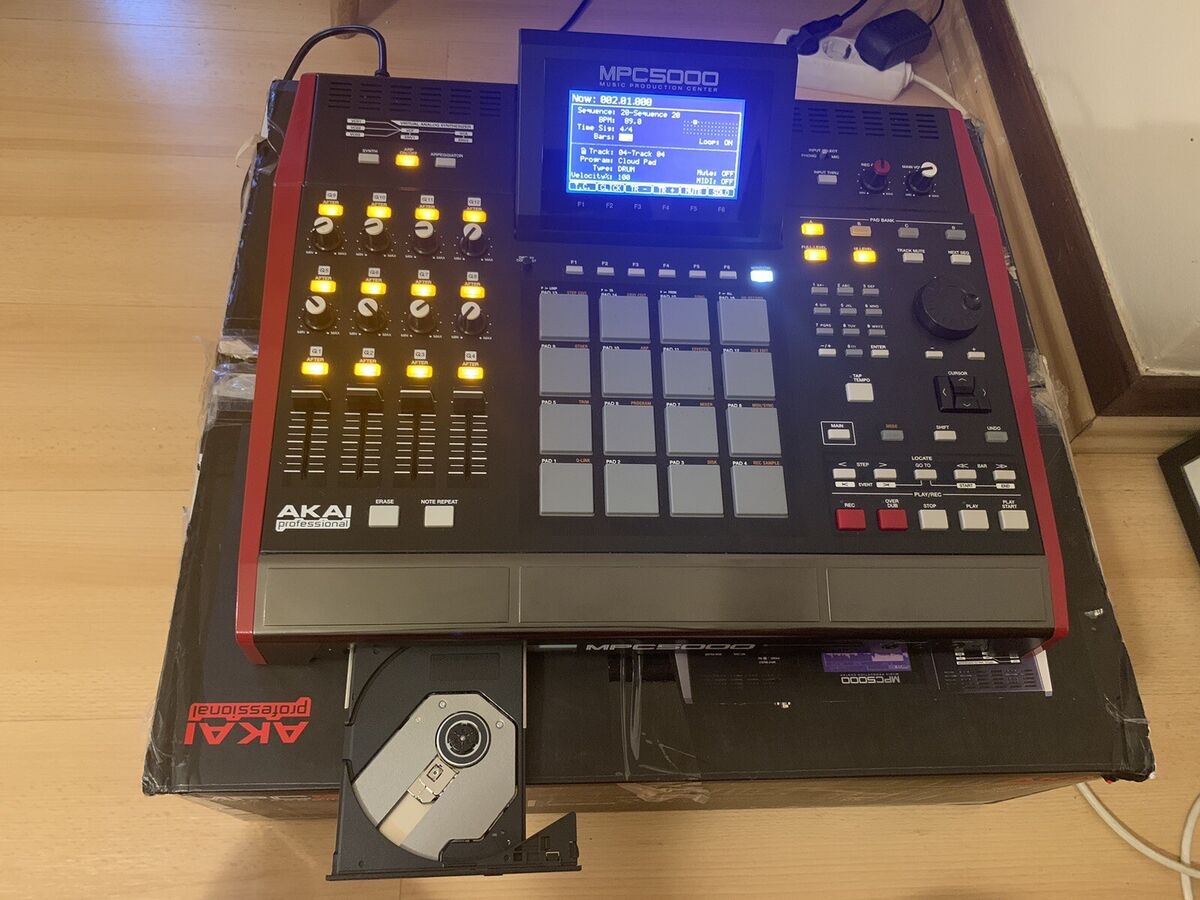
High-end MPC with expanded sampling and advanced effects.
Teenage Engineering OP-1 Field
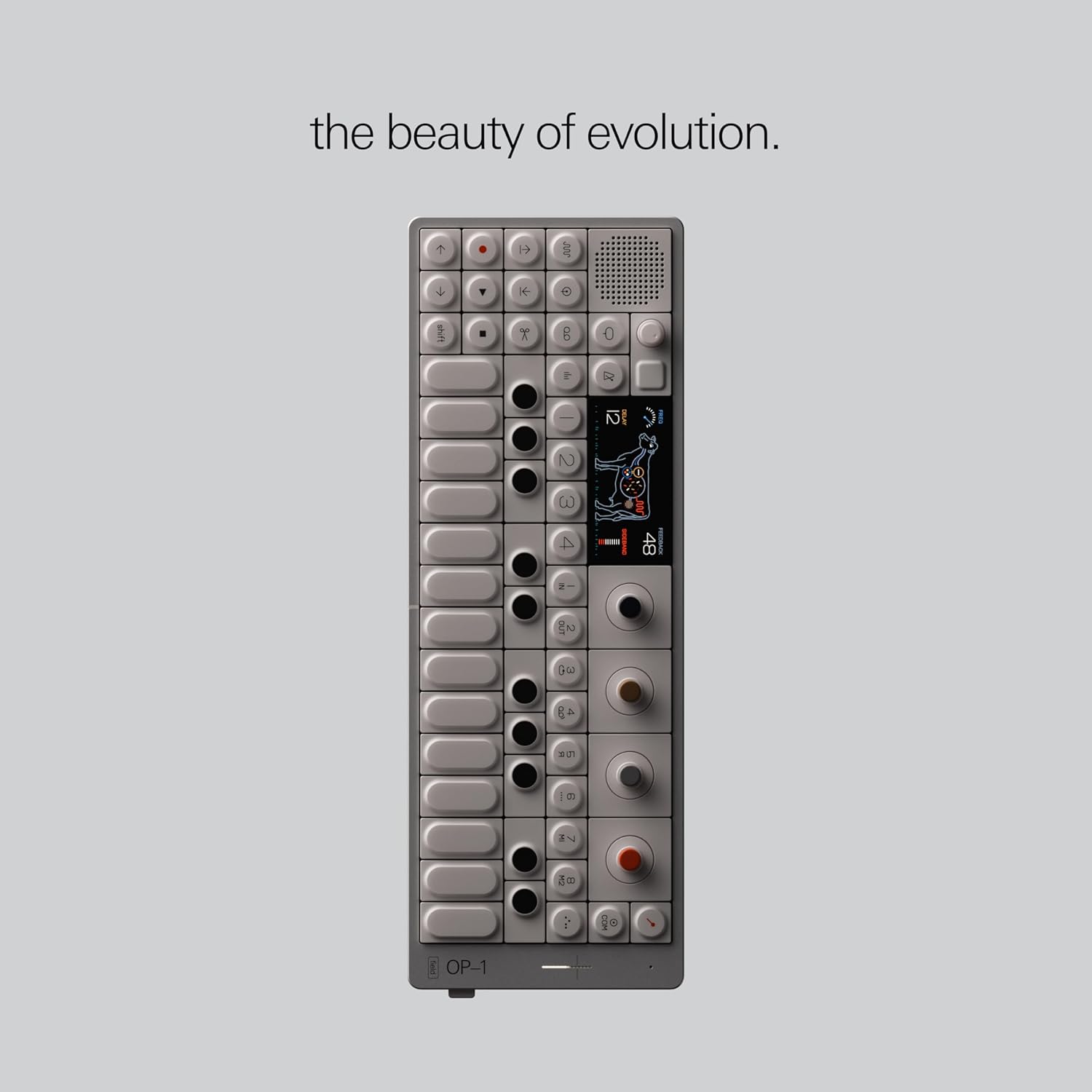
The OP-1 Field is a super cool, all-in-one music maker you can take anywhere. It's small, strong, and sounds amazing. You can play music, record sounds, and mix it all together right on the device. It has a bright screen, loud speakers, and even velcro on the back to add fun stuff. You can connect it to your phone or computer, and it works great with other music gear too. Whether you're at home or outside, it's ready to help you create awesome music.
| Spec | Akai MPC5000 | Teenage Engineering OP-1 Field |
|---|---|---|
| Manufacturer | Akai Professional | Teenage Engineering |
| Year Released | 2006 | 2022 |
| Polyphony | 128 | 8 |
| Sample Rate | 44.1kHz | 44.1kHz |
| Storage | Internal Hard Drive, CompactFlash | Internal storage |
| Pads | 16 velocity-sensitive pads | No pads, uses buttons |
| Sequencer | Yes | Yes |
| Effects | EQ, Compression, Reverb, Delay, Filtering | Multiple effects |
| I/O | MIDI In/Out, Audio In/Out | USB Audio, MIDI |
| Screen | Color LCD | OLED display |
| Software Integration | MPC Software | No |
| Build | Standalone | Portable synth/sampler/sequencer |
| Price | $1200 used | $1999 |
| More about | Details | Details |
Buy the Teenage Engineering OP-1 Field on Amazon.com
Buy Now On AmazonSynths and Samplers Showdown: Teenage Engineering OP-1 Field vs. Akai MPC5000
Summary: The Teenage Engineering OP-1 Field and the Akai MPC5000 are both incredible music-making machines. They each have unique strengths that cater to different types of music producers. The OP-1 Field is a portable powerhouse, perfect for on-the-go creativity, while the MPC5000 is a studio workhorse with extensive features for beat-making.
Introduction
Music gear enthusiasts, gather around! Today, we’re diving into the world of samplers with a comparison between two iconic devices—the Teenage Engineering OP-1 Field and the Akai MPC5000. Each of these samplers has carved out a special place in the hearts of musicians worldwide. Despite being from different eras and having different design philosophies, they both offer unique ways to create music. Whether you’re a budding producer or a seasoned beat-maker, understanding the features and benefits of these devices will help you make the right choice.
Feature Comparisons
Design and Build
The Teenage Engineering OP-1 Field is a sleek, portable device that marries a synth, sampler, and sequencer all in one. Released in 2022, this device stands out with its minimalist design and vibrant OLED display. It’s designed for musicians who value portability and intuitive workflow. In contrast, the Akai MPC5000, introduced in 2006, is a robust standalone unit. Known for its solid construction and larger footprint, the MPC5000 is more suited for studio use rather than being on the go.
Sound and Polyphony
Polyphony is where the OP-1 Field and MPC5000 greatly differ. The OP-1 Field offers 8-voice polyphony, which is quite sufficient for creating layered sounds or complex sequences. However, the MPC5000 boasts a whopping 128-voice polyphony, allowing for denser, more intricate compositions. This makes the MPC5000 particularly appealing for those who need to manage multiple tracks and sounds simultaneously.
Storage and Connectivity
Storage solutions are vital for music production. The OP-1 Field comes with internal storage, which simplifies the workflow by not needing external storage devices. Its USB Audio and MIDI connectivity make it easy to integrate with other devices. Meanwhile, the MPC5000 offers internal hard drive storage and CompactFlash card slots, providing ample space for extensive libraries of sounds and samples. The MPC5000 also includes comprehensive MIDI and Audio In/Out options, which are ideal for connecting to a broader studio setup.
Pads and Interface
One of the most noticeable differences is in the interface. The OP-1 Field uses buttons for input, which aligns with its compact design. This might take some getting used to for those accustomed to traditional pad interfaces. On the contrary, the MPC5000 features 16 velocity-sensitive pads that allow for expressive beat-making and finger drumming. This feature is a hallmark of the MPC series and a significant draw for hip-hop and electronic music producers.
Effects and Sequencing
Both devices are equipped with powerful effects and sequencing capabilities. The OP-1 Field offers multiple effects, which can be creatively stacked and manipulated, providing a playground for sound designers. Its sequencer is intuitive, catering to both beginners and advanced users. The MPC5000, however, takes effects to another level with options like EQ, Compression, Reverb, Delay, and Filtering. Its sequencer is renowned for its depth, making it a favorite for complex arrangements and live performances.
Screens and User Experience
The OP-1 Field’s OLED display is part of its charm, presenting a visually engaging interface that enhances the user experience. It’s perfect for those who appreciate design aesthetics in their gear. The MPC5000 features a color LCD screen, which provides clear and detailed information, crucial for navigating its extensive features.
Price and Value
Price is always a consideration when investing in music gear. The OP-1 Field is priced at around $1300, reflecting its innovative design and portability. The MPC5000, although no longer in production, can be found on the used market for approximately $1200. This price offers significant value given its extensive feature set and professional capabilities.
Pros and Cons
Teenage Engineering OP-1 Field
Pros:
- Portable and lightweight
- Unique design and user interface
- Integrated synth, sampler, and sequencer
- Multiple creative effects
- USB Audio and MIDI connectivity
Cons:
- Limited polyphony (8 voices)
- No velocity-sensitive pads
- Higher price point for portability
- Lack of software integration
Akai MPC5000
Pros:
- Extensive polyphony (128 voices)
- 16 velocity-sensitive pads
- Comprehensive effects suite
- Versatile storage options
- Strong studio integration
Cons:
- Bulky and less portable
- Older technology and used market availability
- Requires external storage management
- More complex for beginners
Final Verdict
The choice between the Teenage Engineering OP-1 Field and the Akai MPC5000 ultimately depends on your personal needs and workflow.
If you’re a musician who loves creating on the go and appreciates a sleek design, the OP-1 Field is your perfect companion. Its portability and unique interface make it ideal for quick sketches and live performances.
However, if you’re a producer looking for a powerful studio tool with deep sampling capabilities and expressive pad control, the MPC5000 is the way to go. Its extensive features and robust build make it a reliable choice for complex production tasks.
Both samplers bring something special to the table, and either could be the right fit depending on your creative style. Happy music-making!