Elektron Octatrack MKI — VS — Korg Electribe Sampler 2
Elektron Octatrack MKI
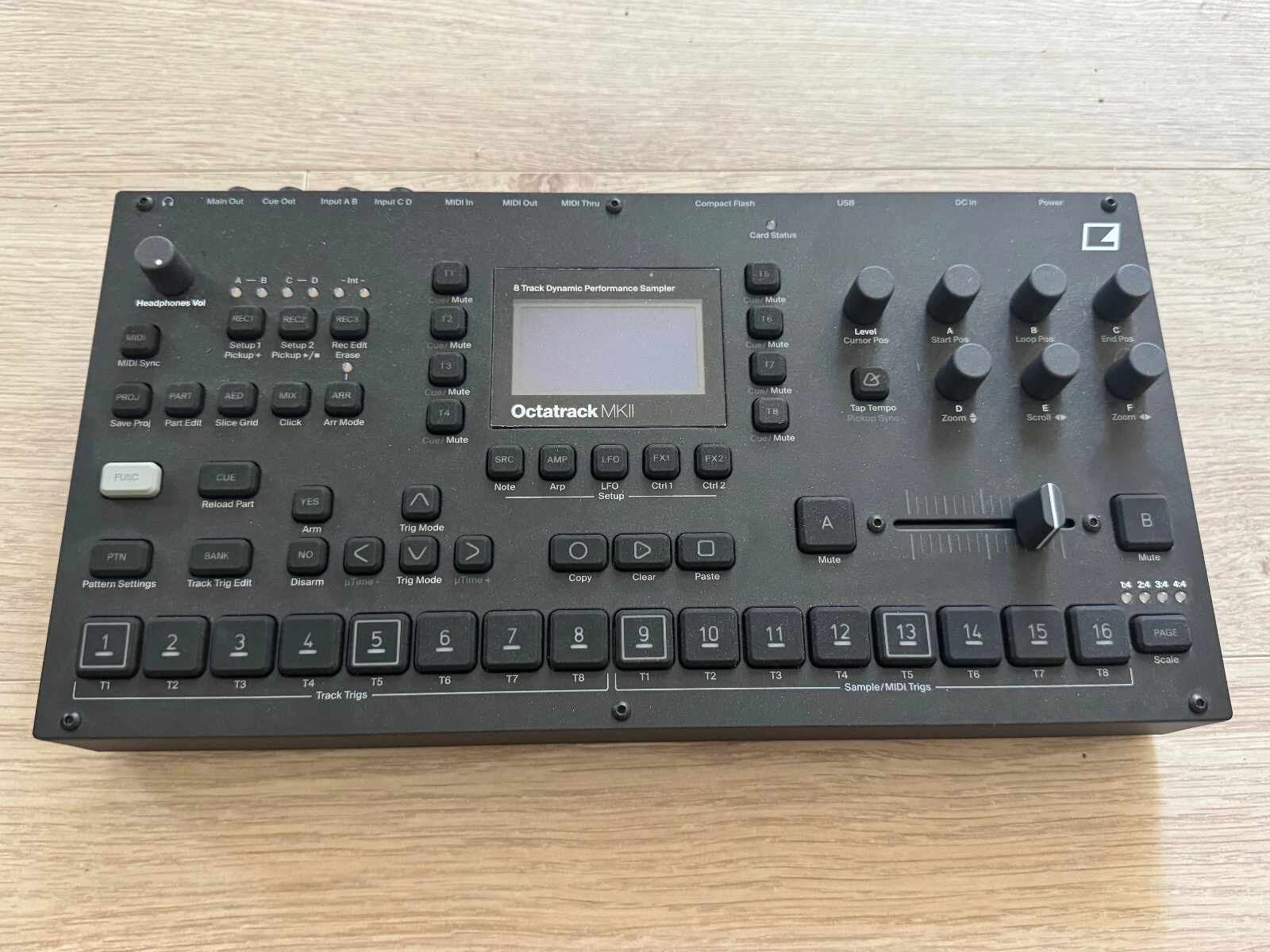
The Elektron Octatrack is a powerful music tool that lets you sample, loop, and remix sounds in real time. It has 8 tracks for playing and twisting audio, plus 8 more for controlling other gear with MIDI. You can load sounds from a memory card or record them live, then use built-in effects, a crossfader, and a step sequencer to create unique tracks. Whether you're performing live or making music in the studio, the Octatrack MK1 gives you deep control over your sound in a hands-on, creative way.
Korg Electribe Sampler 2
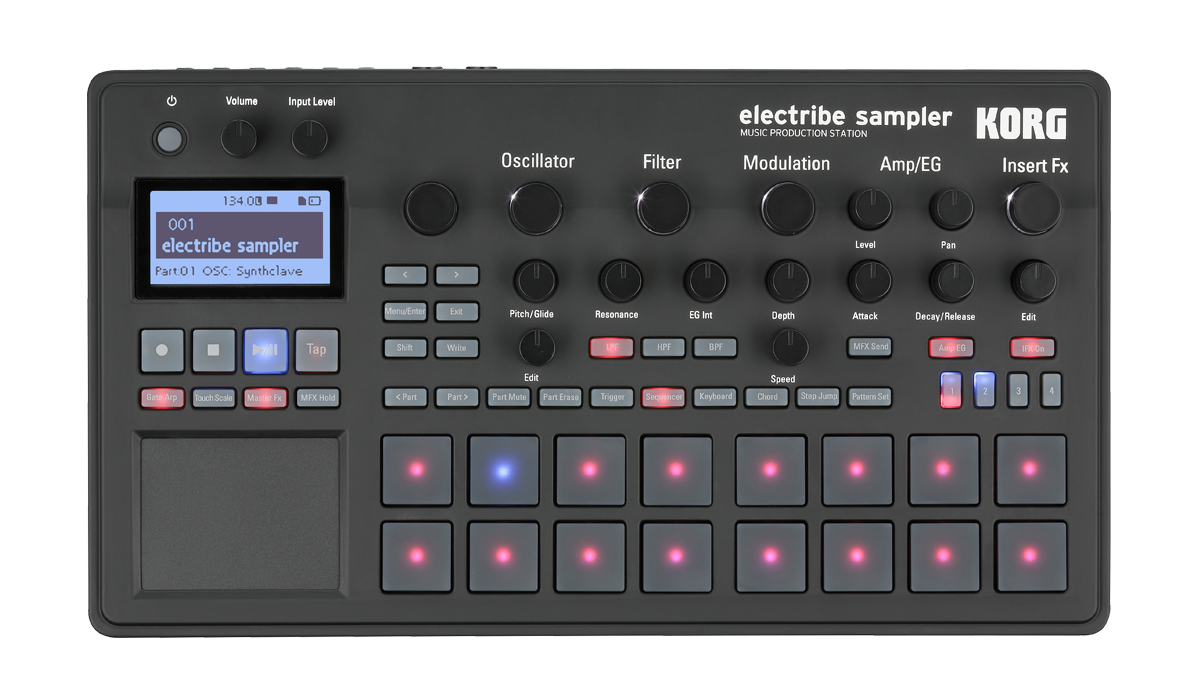
The Korg Electribe Sampler 2 is a fast and easy-to-use music machine that helps you turn your ideas into beats in no time. You can load your own sounds or use the built-in samples, then shape them using knobs and effects. Whether you're tapping out drums, bass, or melodies, the Electribe makes it simple to build full songs quickly. It's great for both live performances and studio work, and you can export your tracks to Ableton Live for more detailed editing. The newest version adds pattern chaining and comes in a bold red color. It's a powerful sampler and sequencer designed for speed and creativity.
| Spec | Elektron Octatrack MKI | Korg Electribe Sampler 2 |
|---|---|---|
| Manufacturer | Elektron | Korg |
| Year Released | 2010 | 2014 |
| Polyphony | 8 | 64 |
| Sample Rate | 48kHz | 44.1kHz |
| Storage | Compact Flash | SD card |
| Pads | No pads, uses buttons and encoders | No pads, uses buttons |
| Sequencer | Yes | Yes |
| Effects | Filters, Delay, Reverb | Multiple effects |
| I/O | MIDI In/Out/Thru, Audio In/Out | MIDI In/Out, USB, Audio In/Out |
| Screen | OLED display | LCD display |
| Software Integration | Elektron Transfer | No |
| Build | Desktop | Desktop |
| Price | $600 | |
| More about | Details | Details |
Buy the Korg Electribe Sampler 2 on Amazon.com
Buy Now On AmazonSampler Showdown: Korg Electribe Sampler 2 vs. Elektron Octatrack MKI
In this blog post, we will dive deep into the world of samplers by comparing two popular devices: the Korg Electribe Sampler 2 and the Elektron Octatrack MKI. Whether you’re a seasoned musician or just starting, understanding the differences between these two can help you make an informed decision about which one might be right for you.
Introduction
Welcome to the world of music production, where gadgets and gear can turn your musical ideas into reality! Today, we’re looking at two popular samplers: the Korg Electribe Sampler 2 and the Elektron Octatrack MKI. Both are powerful tools for creating music, but they each have their own strengths. Let’s explore what makes each of these samplers unique.
Features of the Korg Electribe Sampler 2
The Korg Electribe Sampler 2 is a groovebox that packs a punch. Introduced in 2014, it offers a remarkable 64-note polyphony, which means you can layer lots of sounds together without losing quality. With a sample rate of 44.1kHz, it delivers high-quality audio that’s great for most music genres. The Electribe uses SD cards for storage, making it easy to save and load your projects.
Even though it doesn’t have pads, it uses intuitive buttons for playing and sequencing your sounds. The Electribe is equipped with a variety of effects to shape your sound and has versatile I/O options, including MIDI In/Out, USB, and Audio In/Out. Its LCD display helps you navigate through its features, although it doesn’t offer software integration, which might be a downside for some users. The device is also reasonably priced at around $600, making it accessible for many musicians.
Features of the Elektron Octatrack MKI
The Elektron Octatrack MKI was released in 2010 and has become a classic in the music production world. Unlike the Electribe, it has an 8-note polyphony, which might seem limited but is part of its charm. The Octatrack shines with its 48kHz sample rate, providing even higher audio quality. It uses Compact Flash for storage, which is a bit less common than SD cards.
The Octatrack doesn’t have pads but features buttons and encoders that are highly responsive and precise. It offers powerful effects like filters, delay, and reverb, allowing for creative sound manipulation. Its I/O includes MIDI In/Out/Thru and Audio In/Out, giving you plenty of connectivity options. The OLED display is clear and easy to read, and it integrates with Elektron Transfer software, which is a big plus for those who want to connect it to a computer. Though the price isn’t specified, the Octatrack is known for being a premium device.
Comparing the Two Samplers
Polyphony and Sample Rate
Polyphony is crucial if you want to layer sounds. The Korg Electribe Sampler 2 stands out with its 64-note polyphony, allowing for rich, complex compositions. The Elektron Octatrack MKI’s 8-note polyphony is more limited but encourages a more focused approach to sound design. In terms of sample rate, the Octatrack’s 48kHz offers slightly better audio quality than the Electribe’s 44.1kHz.
Storage and Connectivity
The Electribe’s use of SD cards makes it easy to swap and store data, whereas the Octatrack’s Compact Flash may require adapters for some users. Both devices offer comprehensive I/O options, but the Octatrack includes MIDI Thru, which is beneficial for more complex setups.
User Interface and Build
Both samplers have desktop builds and no pads, relying on buttons for input. The Electribe’s LCD display is functional, but the Octatrack’s OLED screen provides a clearer interface. The Octatrack also benefits from software integration with Elektron Transfer, making it easier to manage samples and projects on a computer.
Effects and Sequencer
The effects on both devices are robust, with the Electribe offering a broader range of effects and the Octatrack excelling in quality with its filters, delay, and reverb. Both samplers come with powerful sequencers, but the Octatrack’s is often hailed for its depth and flexibility.
Pros and Cons
Korg Electribe Sampler 2 Pros:
- High polyphony (64 notes)
- Affordable price ($600)
- Easy storage with SD cards
- Wide range of effects
Korg Electribe Sampler 2 Cons:
- No software integration
- LCD screen less clear
- No pads, button-based input
Elektron Octatrack MKI Pros:
- High-quality 48kHz sample rate
- Excellent effects
- OLED display
- Software integration with Elektron Transfer
Elektron Octatrack MKI Cons:
- Limited polyphony (8 notes)
- Uses less common Compact Flash
- Typically more expensive
Final Thoughts
Both the Korg Electribe Sampler 2 and the Elektron Octatrack MKI are powerful tools for any music producer. The Electribe is ideal for those who need lots of sounds and effects on a budget, while the Octatrack is perfect for those who value audio quality and deep, precise control.
Who Should Choose Each Sampler?
- Korg Electribe Sampler 2: Best for beginners or musicians who want a cost-effective, versatile sampler with plenty of polyphony and effects.
- Elektron Octatrack MKI: Suited for experienced producers who need high-quality sound, detailed control, and software integration.
Choosing the right sampler depends on your needs and experience. Both devices offer unique features that can enhance your music-making journey!
For more detailed specifications, you can visit the Korg Electribe Sampler 2 or Elektron Octatrack MKI pages. Happy music making!