Elektron Octatrack MKI — VS — Polyend Play
Elektron Octatrack MKI
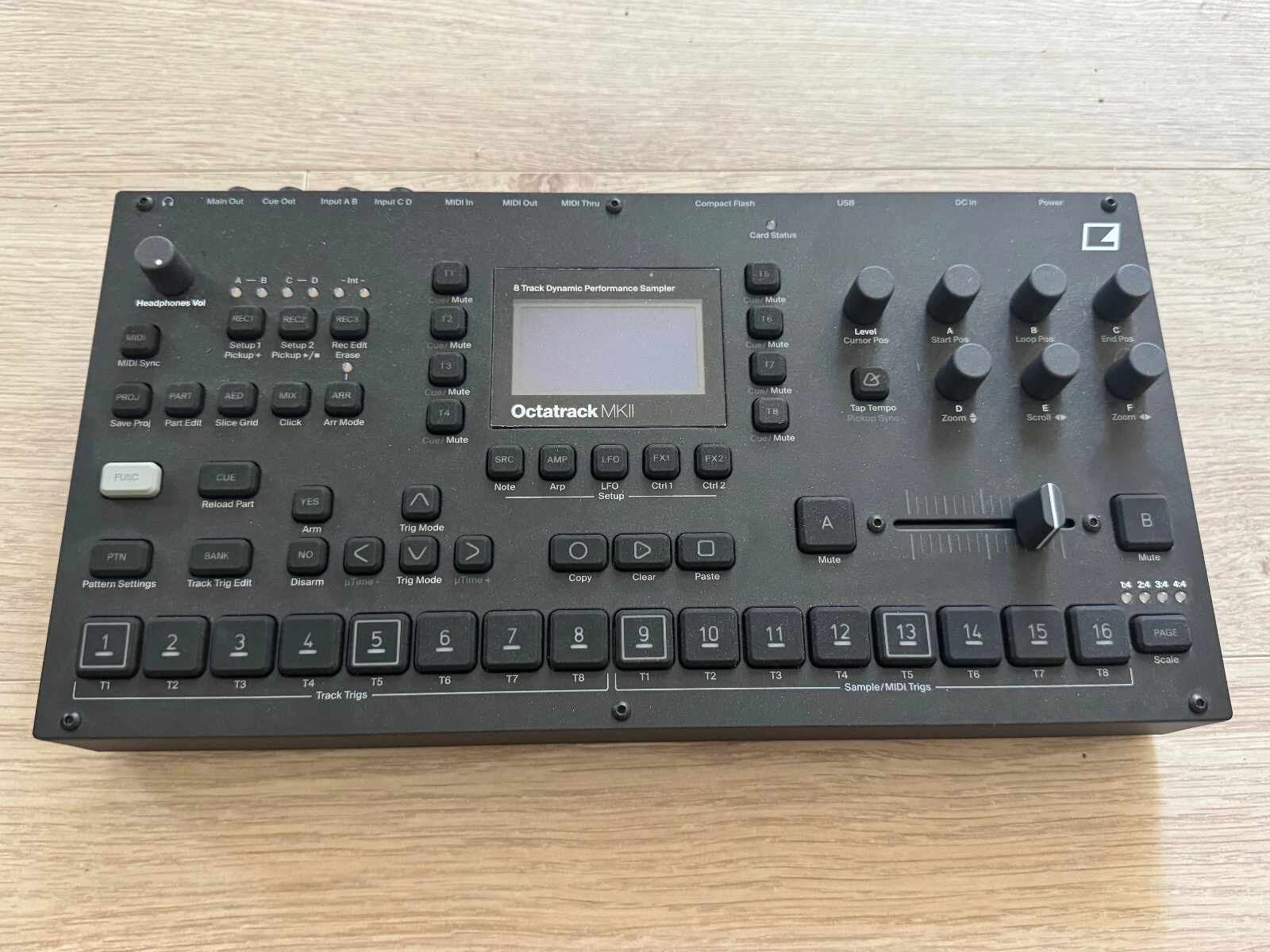
The Elektron Octatrack is a powerful music tool that lets you sample, loop, and remix sounds in real time. It has 8 tracks for playing and twisting audio, plus 8 more for controlling other gear with MIDI. You can load sounds from a memory card or record them live, then use built-in effects, a crossfader, and a step sequencer to create unique tracks. Whether you're performing live or making music in the studio, the Octatrack MK1 gives you deep control over your sound in a hands-on, creative way.
Polyend Play
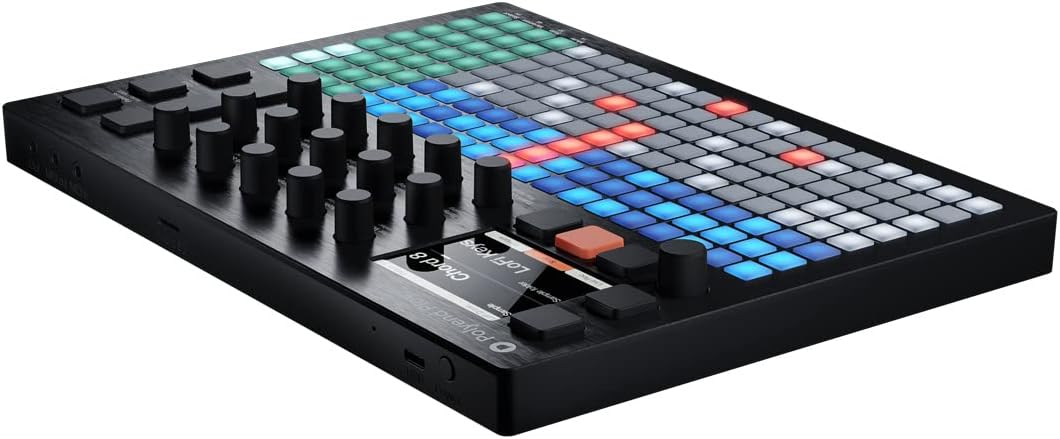
The Polyend Play is a powerful and intuitive sampler and groovebox designed for creative freedom without the complexity. It features over 30 ready-to-use sample kits, eight audio tracks, and eight polyphonic MIDI tracks, all accessible through a user-friendly interface tailored for both studio production and live performance. With 35 unique playback modes, randomizer and step repeater functions, a flexible 64-step sequencer, customizable pattern placement, onboard effects, and deep MIDI integration, the Play invites hands-on experimentation and effortless arrangement—whether you're jamming or building complete tracks from scratch.
| Spec | Elektron Octatrack MKI | Polyend Play |
|---|---|---|
| Manufacturer | Elektron | Polyend |
| Year Released | 2010 | 2022 |
| Polyphony | 8 | 64 |
| Sample Rate | 48kHz | 44.1kHz |
| Storage | Compact Flash | MicroSD card |
| Pads | No pads, uses buttons and encoders | 16 velocity-sensitive pads |
| Sequencer | Yes | Yes |
| Effects | Filters, Delay, Reverb | Multiple effects |
| I/O | MIDI In/Out/Thru, Audio In/Out | MIDI In/Out, USB, Audio In/Out |
| Screen | OLED display | LCD display |
| Software Integration | Elektron Transfer | No |
| Build | Desktop | Groovebox |
| Price | $1100 | |
| More about | Details | Details |
Buy the Polyend Play on Amazon.com
Buy Now On AmazonPolyend Play vs. Elektron Octatrack MKI: A Sampler Showdown
Summary: If you’re exploring the world of samplers, the Polyend Play and Elektron Octatrack MKI are two fantastic options, each with its own unique features and benefits. In this post, we’ll dive into what makes each of these devices special, how they differ, and which one might be the best fit for you.
Introduction
Are you in the market for a sampler but feeling overwhelmed by the choices? Fear not! Today, we’re diving into a comparison between two popular samplers: the Polyend Play and the Elektron Octatrack MKI. These two devices are like superheroes in the world of music production, each with its own set of superpowers. Whether you’re a budding musician or a seasoned producer, understanding the strengths of each can help you make the best choice for your musical adventures.
Feature Comparisons
Build and Design
The Polyend Play, released in 2022, is a groovebox with a modern design. It features 16 velocity-sensitive pads that allow you to tap out rhythms and melodies with ease. If you’re someone who loves tactile interaction with your music device, these pads are a joy to use. The design is sleek and contemporary, making it a great addition to any studio setup.
In contrast, the Elektron Octatrack MKI, which made its debut in 2010, adopts a more traditional desktop design. Instead of pads, it uses buttons and encoders for input. This might feel a bit old-school, but it has a certain charm and reliability that Elektron devices are known for. The build is sturdy, and its desktop form factor makes it a solid and robust choice for studio use.
Polyphony and Sampling
When it comes to polyphony, the Polyend Play takes the lead with a whopping 64 voices. This means you can play multiple samples simultaneously without running out of voices, allowing for rich and complex compositions. Its sample rate of 44.1kHz ensures high-quality sound that can capture the nuances of your audio.
On the other hand, the Elektron Octatrack MKI offers 8 voices of polyphony. While this might seem limited compared to the Polyend Play, it’s more than sufficient for crafting intricate beats and textures. It boasts a higher sample rate of 48kHz, which audiophiles might appreciate for its superior sound fidelity.
Storage and Connectivity
The Polyend Play uses a MicroSD card for storage, making it easy to swap out cards and expand your library of samples. It also includes MIDI In/Out, USB, and Audio In/Out connections, providing versatility in how you integrate it with other gear.
The Elektron Octatrack MKI relies on Compact Flash cards, which are a bit more old-fashioned but still reliable for storing your samples. Its connectivity options include MIDI In/Out/Thru and Audio In/Out, offering robust integration capabilities. While it lacks USB connectivity, it does support Elektron Transfer for software integration, which can be a valuable asset for those who work with Elektron’s ecosystem.
Effects and Sequencing
Both devices come equipped with a sequencer, allowing you to arrange and edit your samples into complete tracks. The Polyend Play includes multiple effects to enhance your sound, adding layers and depth to your music.
Meanwhile, the Elektron Octatrack MKI offers a range of effects, including filters, delay, and reverb. These effects are known for their high quality and can significantly shape the sound of your tracks. The Octatrack’s sequencer is renowned for its flexibility and depth, making it a favorite among those who love intricate sound design and complex arrangements.
Pros and Cons
Polyend Play
Pros:
- Modern Design: With its sleek groovebox style and velocity-sensitive pads, the Polyend Play is a joy to use and aesthetically pleasing.
- High Polyphony: 64 voices allow for complex and rich compositions.
- Easy Storage Expansion: MicroSD cards make swapping and expanding your sample library simple.
Cons:
- Price: At $1100, it might be a bit steep for beginners.
- No Software Integration: Unlike the Octatrack, it lacks direct software integration, which could be a downside for some users.
Elektron Octatrack MKI
Pros:
- Superior Sound Quality: With a 48kHz sample rate, it offers excellent audio fidelity.
- Robust Effects: High-quality filters, delay, and reverb offer extensive sound-shaping possibilities.
- Solid Build: Known for its durability and reliability in studio settings.
Cons:
- Limited Polyphony: 8 voices might be restrictive for some users.
- Outdated Storage: Compact Flash is less convenient than modern storage solutions.
Final Verdict
In summary, both the Polyend Play and Elektron Octatrack MKI are excellent samplers, each with its own strengths. The Polyend Play, with its modern design and high polyphony, is ideal for those who value a tactile, hands-on experience and need the flexibility to create complex compositions. It’s great for musicians looking for a cutting-edge device with plenty of creative potential.
The Elektron Octatrack MKI, with its superior sound quality and robust build, is perfect for those who appreciate classic design and in-depth sound design capabilities. It’s best suited for experienced producers who value high-quality effects and are comfortable with a more traditional workflow.
Ultimately, the choice between these two samplers depends on your personal preferences and production needs. Whether you lean towards the modern capabilities of the Polyend Play or the reliable, classic features of the Elektron Octatrack MKI, both will serve you well on your musical journey.