Elektron Octatrack MKI — VS — Roland Verselab MV-1
Elektron Octatrack MKI
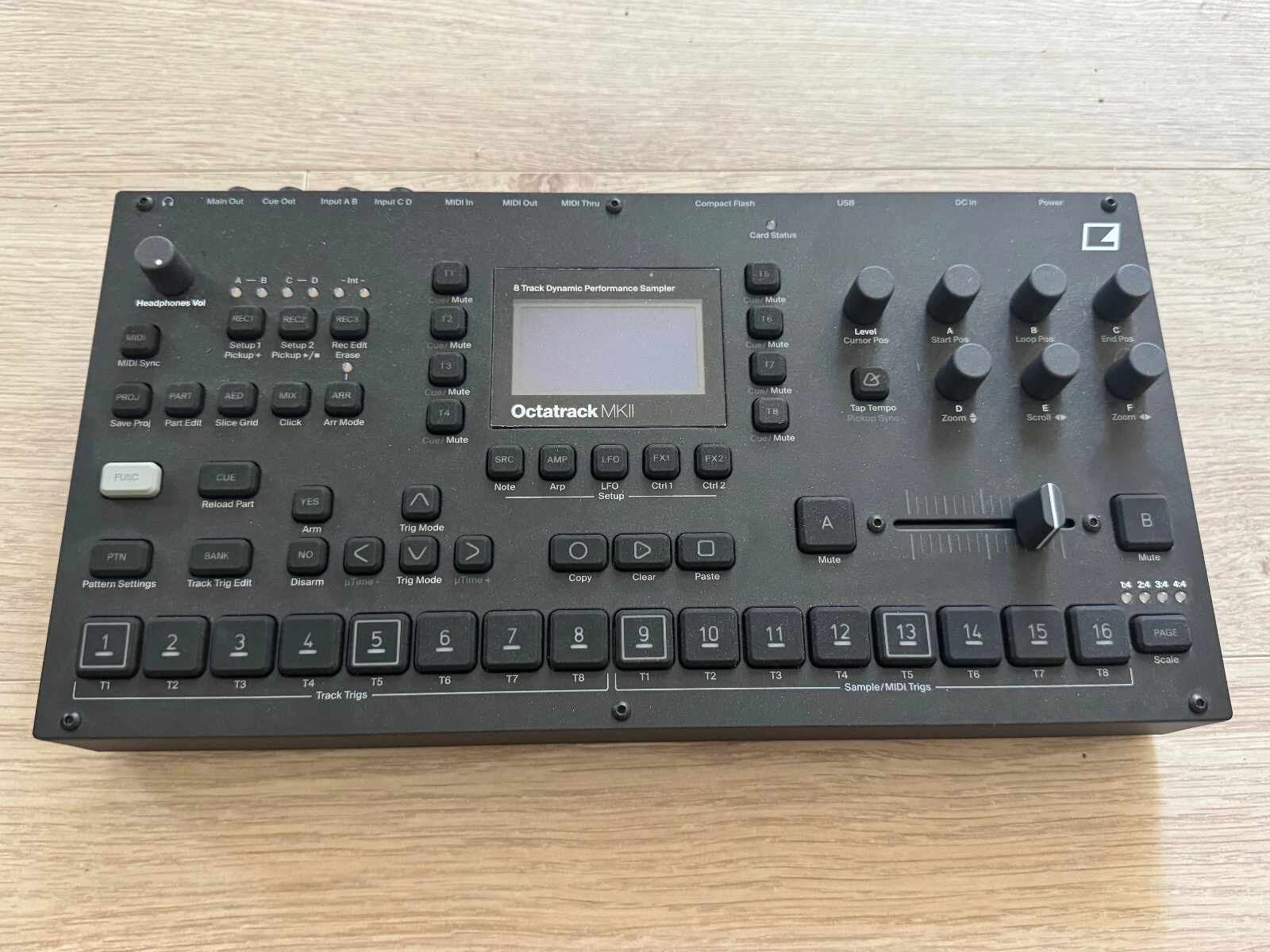
The Elektron Octatrack is a powerful music tool that lets you sample, loop, and remix sounds in real time. It has 8 tracks for playing and twisting audio, plus 8 more for controlling other gear with MIDI. You can load sounds from a memory card or record them live, then use built-in effects, a crossfader, and a step sequencer to create unique tracks. Whether you're performing live or making music in the studio, the Octatrack MK1 gives you deep control over your sound in a hands-on, creative way.
Roland Verselab MV-1
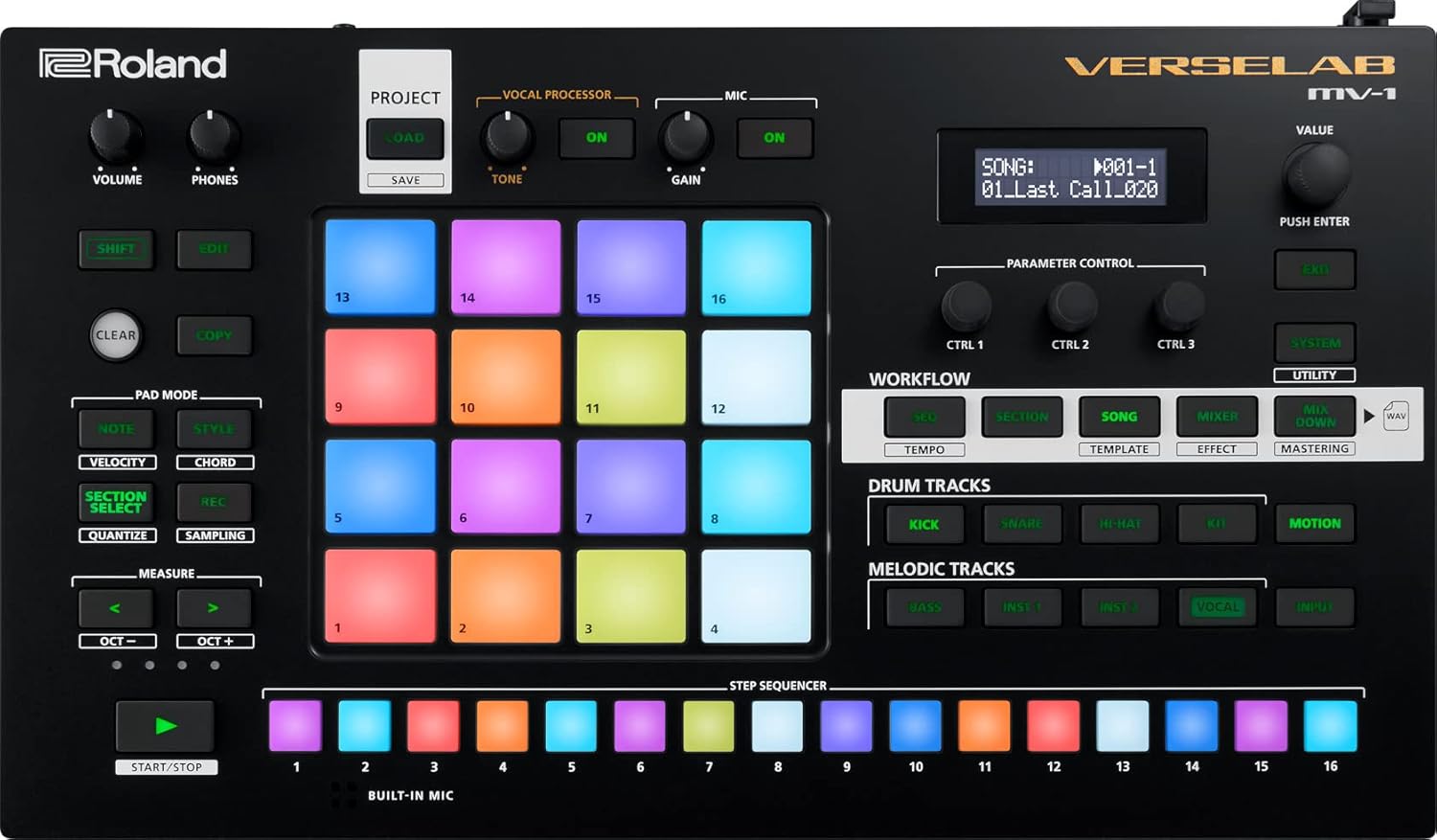
The VERSELAB MV-1 is a fun, all-in-one music studio that helps you make your own songs—from beats to vocals—right out of the box. It comes with over 3,000 cool sounds, easy-to-use tools for writing and recording music, and special effects like Auto-Pitch and harmonies. You can tap out beats with pads, record your voice, and even connect it to your phone, tablet, or computer. It's made to help anyone—beginner or pro—create awesome music without needing a bunch of extra stuff.
| Spec | Elektron Octatrack MKI | Roland Verselab MV-1 |
|---|---|---|
| Manufacturer | Elektron | Roland |
| Year Released | 2010 | 2021 |
| Polyphony | 8 | 128 |
| Sample Rate | 48kHz | 44.1kHz |
| Storage | Compact Flash | SD card |
| Pads | No pads, uses buttons and encoders | No pads |
| Sequencer | Yes | Yes |
| Effects | Filters, Delay, Reverb | EQ, Reverb, Delay |
| I/O | MIDI In/Out/Thru, Audio In/Out | MIDI In/Out, USB, Audio In/Out |
| Screen | OLED display | LCD display |
| Software Integration | Elektron Transfer | Roland Software |
| Build | Desktop | Groovebox |
| Price | $500 | |
| More about | Details | Details |
Buy the Roland Verselab MV-1 on Amazon.com
Buy Now On AmazonRoland Verselab MV-1 vs. Elektron Octatrack MKI: A Head-to-Head Comparison
Summary: In this blog post, we dive into a detailed comparison of the Roland Verselab MV-1 and the Elektron Octatrack MKI. These two samplers are beloved by music producers for their unique features and capabilities. We will explore their specifications, strengths, and weaknesses to help you decide which one might be the best fit for your music production needs.
Introduction
Music producers and enthusiasts often face the challenging decision of choosing the right equipment for their creative projects. Among the plethora of options, the Roland Verselab MV-1 and Elektron Octatrack MKI stand out for their distinct features and capabilities. While both are powerful tools for music production, they cater to different needs and preferences. In this article, we will explore the intricacies of each sampler, comparing their features and offering insights into who might benefit the most from each device. So, whether you’re a seasoned producer or just starting out, this comparison will guide you in making an informed decision.
The Roland Verselab MV-1: Groovebox Goodness
The Roland Verselab MV-1 is a modern groovebox released in 2021. It is designed to provide an all-in-one solution for music producers who are looking to create and produce tracks seamlessly. With a polyphony of 128 voices, the MV-1 offers impressive sound layering capabilities. Its 44.1kHz sample rate ensures high-quality audio, and the inclusion of an SD card for storage allows for ample space to save projects and samples.
The MV-1 does not have traditional pads, which might be a drawback for those accustomed to pad-based performance. However, it compensates with a robust sequencer and a range of effects, including EQ, reverb, and delay, to shape your sound. The connectivity options are versatile, featuring MIDI In/Out and USB, alongside audio input and output. Its LCD display provides a user-friendly interface, and the integration with Roland Software enhances its functionality, making it a great choice for both studio and live settings.
Pros of the Roland Verselab MV-1
- High Polyphony: With 128 voices, users can create complex arrangements without running into limitations.
- Comprehensive Effects: Built-in EQ, reverb, and delay allow for detailed sound sculpting.
- Versatile Connectivity: MIDI, USB, and audio connections ensure compatibility with various setups.
- User-Friendly Interface: The LCD display and software integration make it accessible for beginners.
Cons of the Roland Verselab MV-1
- No Pads: Lacks the tactile experience of playing pads, which some performers might miss.
- Limited Physical Controls: Reliance on software integration for deeper control might not suit all users.
The Elektron Octatrack MKI: Classic Powerhouse
The Elektron Octatrack MKI, released in 2010, is a revered piece of equipment known for its powerful sampling and sequencing capabilities. Despite having a lower polyphony of 8 voices compared to the MV-1, the Octatrack MKI offers a higher sample rate of 48kHz, providing pristine audio quality. It uses Compact Flash for storage, which might seem outdated but remains reliable for many users.
Unlike the MV-1, the Octatrack does not have pads but utilizes buttons and encoders for control. Its sequencer is highly regarded for its flexibility, allowing intricate compositions. The effects section includes filters, delay, and reverb, which are essential for creative sound design. The OLED display, while smaller, provides clear information, and Elektron Transfer software facilitates sample management. The desktop build makes it a robust choice for studio environments.
Pros of the Elektron Octatrack MKI
- High-Quality Audio: 48kHz sample rate for superior sound fidelity.
- Flexible Sequencer: Allows for detailed and intricate musical arrangements.
- Durable Build: Desktop design suited for professional studio use.
- Extensive Effects: Includes essential sound-shaping tools like filters and reverb.
Cons of the Elektron Octatrack MKI
- Limited Polyphony: 8 voices might be restrictive for complex compositions.
- Outdated Storage: Compact Flash is less common today, which might pose a challenge for some users.
- Steeper Learning Curve: The interface and control scheme may require time to master.
Feature Showdown
Polyphony and Sample Rate
The Roland Verselab MV-1 excels in polyphony with 128 voices, allowing for rich and layered compositions. In contrast, the Elektron Octatrack MKI offers only 8 voices, which can be limiting for users who require multiple simultaneous sounds. However, the Octatrack compensates with a higher sample rate of 48kHz, ensuring high-fidelity audio quality that may appeal to audiophiles.
Storage and Connectivity
When it comes to storage, the MV-1’s use of an SD card is more convenient and widely compatible compared to the Octatrack’s Compact Flash, which has become less common over the years. Both samplers offer robust connectivity options, though the Octatrack includes MIDI Thru, providing more flexibility for complex MIDI setups.
Effects and Interface
Both devices offer a suite of effects, with the MV-1 focusing on EQ, reverb, and delay, while the Octatrack adds filters to its arsenal. The user interface is more straightforward on the MV-1, thanks to its LCD display, making it easier for beginners to navigate. On the other hand, the Octatrack’s OLED display, though smaller, provides crisp visuals, and its interface is known for its depth, appealing to advanced users who enjoy complex programming.
Who Should Choose Which?
In summary, both the Roland Verselab MV-1 and Elektron Octatrack MKI have their unique strengths. The MV-1 is ideal for those looking for a modern, user-friendly groovebox with high polyphony and seamless software integration. It’s perfect for beginners and producers who prioritize ease of use and a comprehensive effects suite.
Conversely, the Octatrack MKI is better suited for experienced producers who appreciate high-quality audio and a flexible sequencer. Its robust build and intricate control scheme make it a favorite among professionals who enjoy deep diving into sound design.
Final Verdict
Ultimately, the choice between the Roland Verselab MV-1 and Elektron Octatrack MKI depends on your specific needs and workflow preferences. The MV-1 offers a balanced mix of features and accessibility, making it a great entry point for new producers. Meanwhile, the Octatrack MKI stands out for its robust capabilities and high-quality sound, catering to those who demand more from their gear.
Whichever you choose, both samplers offer a gateway to endless creative possibilities. Happy music making!