EMU SP-1200 (reissued in 2021) — VS — Polyend Play
EMU SP-1200 (reissued in 2021)
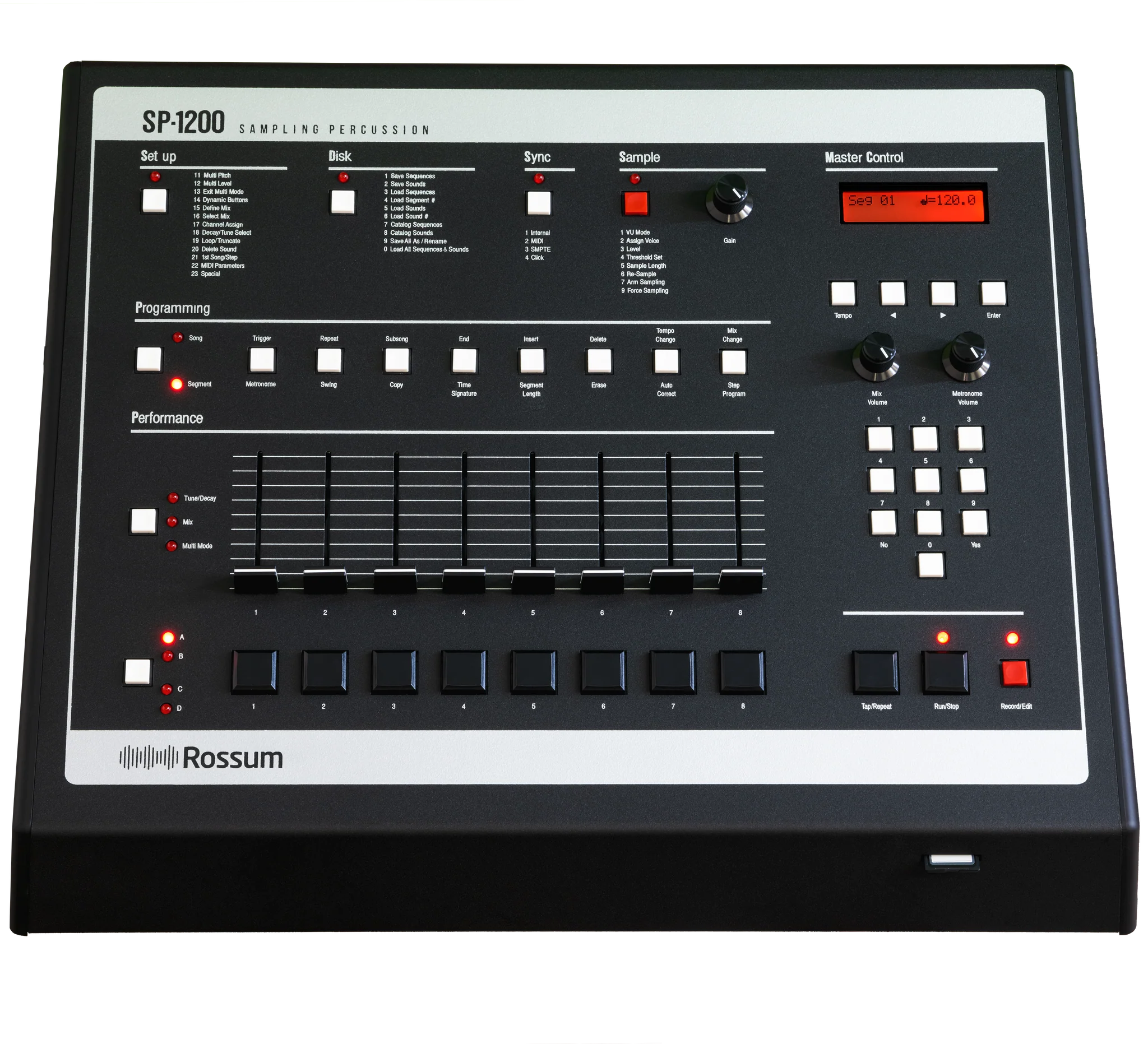
The EMU SP-1200 is a legendary sampler and drum machine, reissued in 2021 by Rossum Electro-Music, the company founded by its original designer, Dave Rossum. Revered for its gritty 12-bit sound and 26.04 kHz sampling rate, the reissue preserves the iconic character of the original while adding modern updates like an SD card slot, metal chassis, and doubled sampling time (20 seconds total). With new filter controls on channels 1 and 2 and local production in the U.S., the SP-1200 reissue is a faithful, rugged revival of one of hip-hop and electronic music’s most influential instruments.
Polyend Play
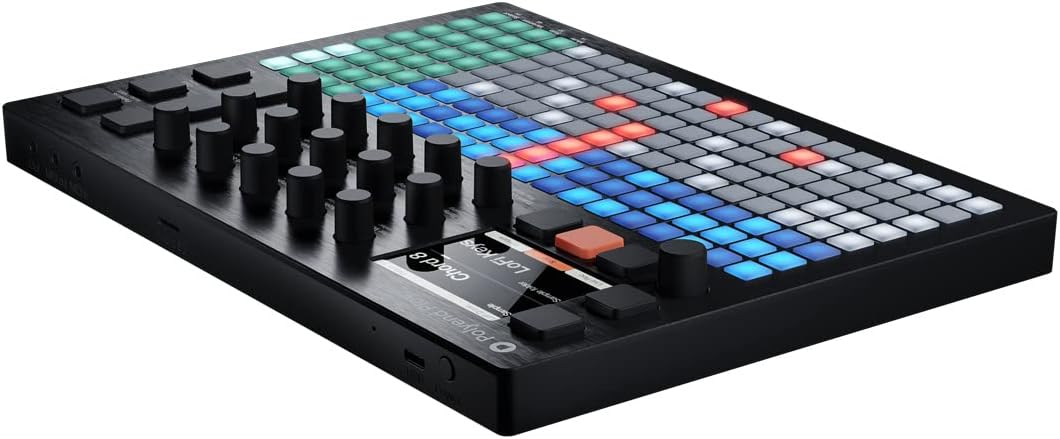
The Polyend Play is a powerful and intuitive sampler and groovebox designed for creative freedom without the complexity. It features over 30 ready-to-use sample kits, eight audio tracks, and eight polyphonic MIDI tracks, all accessible through a user-friendly interface tailored for both studio production and live performance. With 35 unique playback modes, randomizer and step repeater functions, a flexible 64-step sequencer, customizable pattern placement, onboard effects, and deep MIDI integration, the Play invites hands-on experimentation and effortless arrangement—whether you're jamming or building complete tracks from scratch.
| Spec | EMU SP-1200 (reissued in 2021) | Polyend Play |
|---|---|---|
| Manufacturer | EMU | Polyend |
| Year Released | 2021 | 2022 |
| Polyphony | 12 | 64 |
| Sample Rate | 26.04kHz | 44.1kHz |
| Storage | Internal memory | MicroSD card |
| Pads | No pads | 16 velocity-sensitive pads |
| Sequencer | Yes | Yes |
| Effects | Lo-fi effects | Multiple effects |
| I/O | Audio In/Out | MIDI In/Out, USB, Audio In/Out |
| Screen | No screen | LCD display |
| Software Integration | No | No |
| Build | Classic hardware reissue | Groovebox |
| Price | $1500 | $1100 |
| More about | Details | Details |
Buy the Polyend Play on Amazon.com
Buy Now On AmazonPolyend Play vs. EMU SP-1200 (Reissued in 2021): A Sampler Showdown
Summary
Choosing the right sampler can be a difficult decision, especially when comparing a modern groovebox like the Polyend Play with a classic reissue such as the EMU SP-1200 (reissued in 2021). Both have their unique strengths and appeal to different kinds of music creators. Let’s dive into their features, benefits, and drawbacks to help you find the best fit for your musical arsenal.
Introduction
In the world of music production, samplers play a crucial role in shaping the sound and feel of a track. They allow musicians to capture, manipulate, and play back audio in creative ways, often forming the backbone of electronic and hip-hop music. Today, we’re comparing two very different yet equally fascinating pieces of gear: the Polyend Play and the EMU SP-1200 reissue. Whether you’re a modern beatmaker or a vintage sound enthusiast, understanding these tools will help you make informed choices in your music-making journey.
Feature Comparison
Design and Build
The Polyend Play is a modern groovebox designed with a sleek and user-friendly interface. It features 16 velocity-sensitive pads, which are perfect for playing beats and melodies with expression. The device also includes a clear LCD display, making navigation and operation intuitive. It’s built to be versatile and portable, fitting well into contemporary studio setups with its compact design and robust build quality.
On the other hand, the EMU SP-1200 (reissued in 2021) is a reimagining of a classic piece of hardware. It retains the iconic look and feel of the original SP-1200, beloved for its chunky buttons and tactile controls. While it lacks modern conveniences like a screen or pads, its build is a nostalgic nod to the past, which many producers find appealing. It’s a piece of gear that feels like a slice of music history, with its sturdy, no-frills design.
Sound and Polyphony
When it comes to sound, the Polyend Play boasts a 44.1kHz sample rate and offers 64-voice polyphony. This means you can layer complex sounds and create intricate arrangements without running into limitations. It’s equipped with multiple effects, providing plenty of creative options to shape and mold your samples.
Conversely, the EMU SP-1200 is known for its distinct lo-fi sound, a result of its 26.04kHz sample rate. It offers 12-voice polyphony, which while limited by today’s standards, is part of its charm. This limitation encourages creativity and has been a defining characteristic of many classic tracks. The SP-1200’s lo-fi effects add a gritty, vintage feel to samples, appealing to producers who love that old-school vibe.
Storage and Connectivity
Modern convenience is one of the strengths of the Polyend Play. It uses a MicroSD card for storage, allowing for easy expansion and quick access to a vast library of samples. It also offers extensive connectivity options, including MIDI In/Out, USB, and Audio In/Out, making it a flexible addition to any setup.
In contrast, the EMU SP-1200 uses internal memory for storage, which is quite limited compared to modern standards. It features basic Audio In/Out connections, staying true to its vintage roots. While it lacks the advanced connectivity of the Polyend Play, it provides a straightforward, hands-on approach to sampling.
Workflow and Integration
The Polyend Play excels in workflow efficiency. Its groovebox format is designed for quick and intuitive music creation. While it doesn’t offer software integration, its standalone capabilities and modern workflow make it a powerful tool for live performance and studio production alike.
The EMU SP-1200 offers a different kind of workflow, one that encourages a slower, more deliberate approach. Without a screen or software integration, it relies on the user’s familiarity with its hardware controls. This can be a rewarding experience for those who appreciate a tactile, hands-on approach to music creation.
Pros and Cons
Polyend Play
Pros:
- High polyphony and sample rate offer flexibility and quality
- Modern design with LCD for easy navigation
- Extensive connectivity options
- Multiple effects for creative sound shaping
Cons:
- No software integration may limit some users
- Price may be high for those seeking a budget option
EMU SP-1200 (Reissue)
Pros:
- Classic lo-fi sound is highly sought after
- Simple, tactile interface encourages hands-on creativity
- Nostalgic design appeals to vintage gear lovers
Cons:
- Limited polyphony and sample rate
- Basic connectivity options
- No screen or modern workflow conveniences
Final Verdict
When it comes to choosing between the Polyend Play and the EMU SP-1200 (reissued in 2021), it ultimately depends on your needs and preferences as a music producer.
The Polyend Play is ideal for those who want a modern, versatile groovebox that can handle complex arrangements and offers a seamless workflow. It’s perfect for producers who need flexibility and a wide range of creative options in their music-making process.
In contrast, the EMU SP-1200 is best suited for those who appreciate a classic, vintage sound and enjoy the tactile experience of working with iconic hardware. It’s a great choice for producers looking to capture that old-school vibe and aren’t deterred by its limitations.
In the end, both samplers offer unique experiences and can be valuable tools in a producer’s collection. Whether you’re drawn to the modern capabilities of the Polyend Play or the nostalgic charm of the EMU SP-1200, each has something special to offer in the world of music production.