Korg Electribe Sampler 2 — VS — Native Instruments Maschine+
Korg Electribe Sampler 2
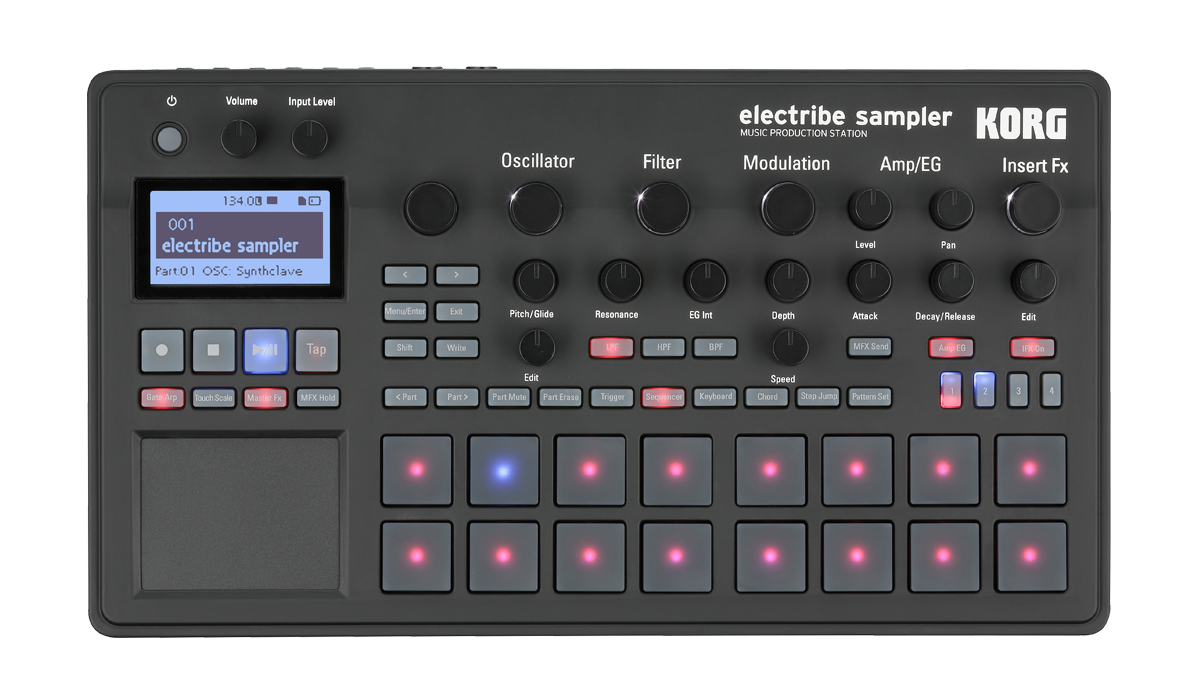
The Korg Electribe Sampler 2 is a fast and easy-to-use music machine that helps you turn your ideas into beats in no time. You can load your own sounds or use the built-in samples, then shape them using knobs and effects. Whether you're tapping out drums, bass, or melodies, the Electribe makes it simple to build full songs quickly. It's great for both live performances and studio work, and you can export your tracks to Ableton Live for more detailed editing. The newest version adds pattern chaining and comes in a bold red color. It's a powerful sampler and sequencer designed for speed and creativity.
Native Instruments Maschine+
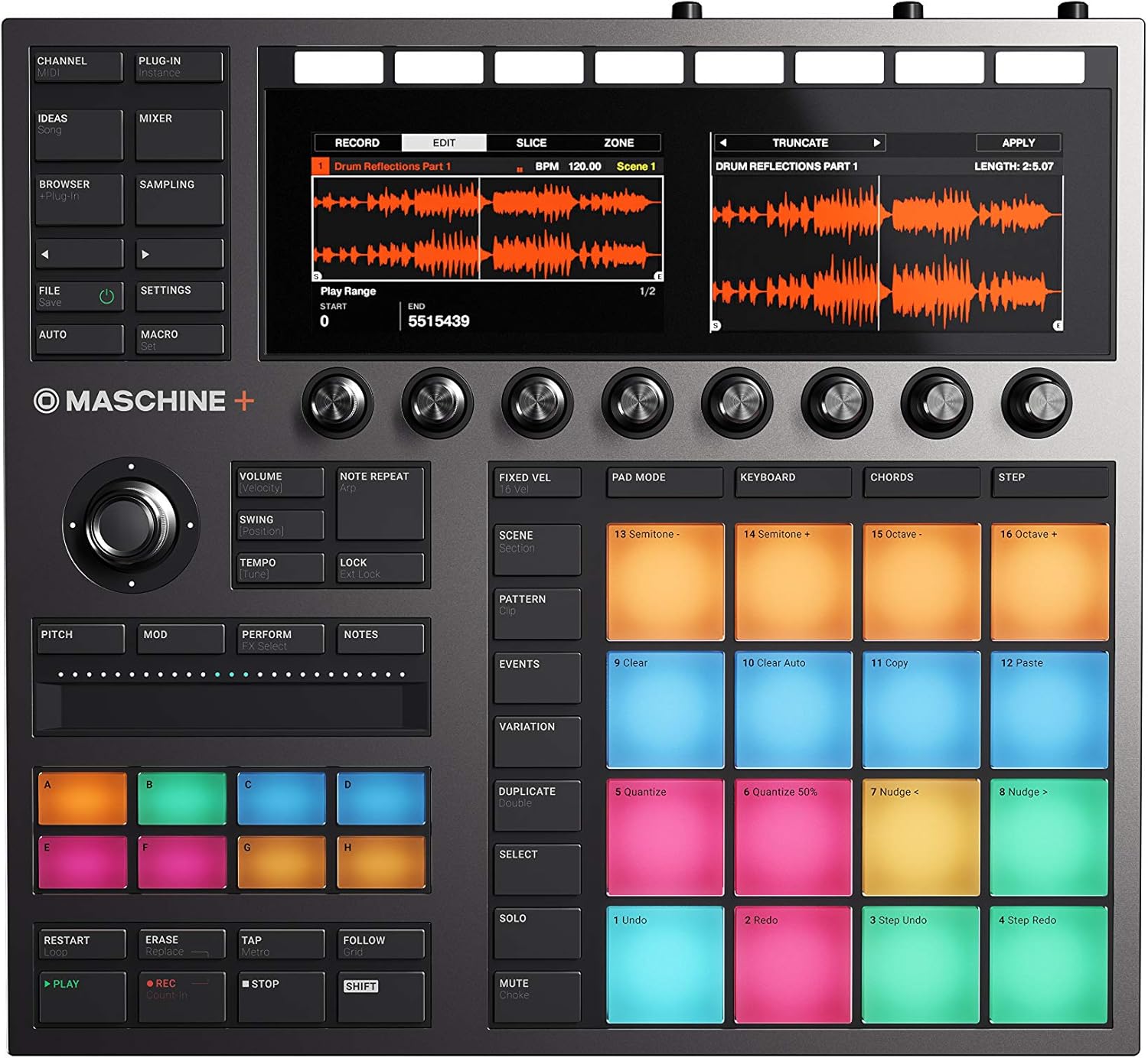
MASCHINE+ is a powerful music-making tool that lets you create beats, melodies, and full songs—no computer needed. It's a sampler, drum machine, and synth all in one, packed with built-in sounds, instruments, and effects.</p><p class='text-gray-700 mb-4'>Whether you're at home or on stage, MASCHINE+ gives you everything you need to make music quickly. Just turn it on, plug in your gear, and start creating. It's built tough for travel, has a fast processor for smooth performance, and includes pro-level audio connections. With MASCHINE+, you get the classic MASCHINE experience—now with more freedom and less hassle.
| Spec | Korg Electribe Sampler 2 | Native Instruments Maschine+ |
|---|---|---|
| Manufacturer | Korg | Native Instruments |
| Year Released | 2014 | 2020 |
| Polyphony | 64 | 128 |
| Sample Rate | 44.1kHz | 44.1kHz |
| Storage | SD card | Internal storage |
| Pads | No pads, uses buttons | 16 large velocity-sensitive pads |
| Sequencer | Yes | Yes |
| Effects | Multiple effects | EQ, Reverb, Delay |
| I/O | MIDI In/Out, USB, Audio In/Out | MIDI In/Out, USB, Audio Out |
| Screen | LCD display | Full color display |
| Software Integration | No | Standalone Maschine Software |
| Build | Desktop | Standalone |
| Price | $600 | $1400 |
| More about | Details | Details |
Buy the Korg Electribe Sampler 2 on Amazon.com
Buy Now On AmazonBuy the Native Instruments Maschine+ on Amazon.com
Buy Now On AmazonNative Instruments Maschine+ vs. Korg Electribe Sampler 2: Which One Should You Choose?
In the world of music production, finding the right sampler can make all the difference in your creative process. Today, we’re diving into a detailed comparison of two popular choices: the Native Instruments Maschine+ and the Korg Electribe Sampler 2. Each of these devices has its own unique features and strengths. So, let’s explore them to see which one might be the perfect fit for you!
Introduction
Are you ready to take your music production to the next level? Whether you’re just starting out or you’re a seasoned pro, having the right tools can really help your creativity soar. Samplers are a key part of making beats, loops, and unique sounds. Today, we’re looking at two amazing samplers: the Native Instruments Maschine+ and the Korg Electribe Sampler 2. Both offer exciting features, but which one is right for you? Let’s find out!
Meet the Samplers
Native Instruments Maschine+
The Native Instruments Maschine+ is a powerhouse in the world of standalone samplers. Released in 2020, it allows you to create music without needing a computer. This is huge for those who want freedom and flexibility in their music-making process. It boasts 128-note polyphony, which means it can handle lots of sounds at once. The Maschine+ has a full-color display, making it easy to navigate its features. Plus, with 16 large velocity-sensitive pads, you can play and record your beats with ease!
Korg Electribe Sampler 2
The Korg Electribe Sampler 2 has been a favorite among music producers since its release in 2014. It’s a desktop sampler, so it needs to be hooked up to other equipment. Even though it has 64-note polyphony, which is fewer than the Maschine+, it’s still very capable. It uses buttons instead of pads, which some people prefer. The Electribe Sampler 2 is known for its deep sequencing capabilities and a variety of effects. It uses an SD card for storage, which makes it easy to swap out sounds.
Feature Comparisons
Build and Design
When it comes to design, the Native Instruments Maschine+ is sleek and modern. It’s a standalone device, meaning you don’t need a computer to use it. This is perfect if you want to create music anywhere, anytime. The Maschine+ has a full-color display that makes it easy to see what you’re doing.
On the other hand, the Korg Electribe Sampler 2 is a desktop device. It’s compact and lightweight, making it easy to take to gigs or move around your studio. Its LCD display is straightforward and functional, though not as vibrant as the Maschine+’s screen.
Pads and Controls
The Maschine+ features 16 large velocity-sensitive pads that are a joy to play. These pads are perfect for finger drumming and beat-making. The touch-sensitive knobs and buttons offer precise control over your music.
In contrast, the Electribe Sampler 2 uses buttons instead of pads, which some users find more intuitive for sequencing. Though it lacks the tactile response of the Maschine+, its button layout is easy to understand and use.
Polyphony and Sample Rate
Polyphony refers to the number of notes or sounds a device can play at once. The Maschine+ has a whopping 128-note polyphony, allowing you to layer sounds without limitations. Its sample rate is 44.1kHz, providing high-quality audio.
The Electribe Sampler 2 offers 64-note polyphony, which is still quite good for most music styles. It also has a 44.1kHz sample rate, which ensures your sounds are clear and crisp.
Storage and Connectivity
Storage is another essential factor to consider. The Maschine+ comes with internal storage, so you can keep your samples and projects right on the device. It also has MIDI In/Out, USB, and audio output connections, making it versatile for different setups.
Meanwhile, the Electribe Sampler 2 uses an SD card for storage. This can be convenient for swapping out samples and projects. It also includes MIDI In/Out, USB, and audio input/output, giving you plenty of connectivity options.
Effects and Sequencer
Both samplers come with a variety of effects. The Maschine+ has EQ, reverb, and delay, which are essential for shaping your sound. Its sequencer is intuitive and powerful, allowing you to create complex rhythms and melodies.
The Electribe Sampler 2 shines with its multiple effects options, giving you more creative possibilities. Its sequencer is known for being deep and flexible, perfect for crafting intricate grooves.
Software Integration
The Maschine+ integrates seamlessly with the standalone Maschine software. This provides a robust environment for making music, with plenty of tools and features.
In contrast, the Electribe Sampler 2 does not have dedicated software integration. However, its straightforward design makes it easy to use without additional software.
Pros and Cons
Native Instruments Maschine+
Pros:
- Standalone functionality means no computer needed
- High polyphony (128 notes)
- Large, responsive pads
- Full-color display
- Excellent software integration
Cons:
- Higher price point ($1400)
- Might be overwhelming for beginners
Korg Electribe Sampler 2
Pros:
- Affordable price ($600)
- Compact and portable
- Deep sequencing capabilities
- Multiple effects
- Easy-to-use button layout
Cons:
- Lower polyphony (64 notes)
- No dedicated software integration
- LCD display not as vibrant
Final Verdict
Choosing between the Native Instruments Maschine+ and the Korg Electribe Sampler 2 depends on your needs and budget.
If you want a standalone device with high polyphony, responsive pads, and excellent software integration, the Native Instruments Maschine+ is a fantastic choice. It’s perfect for serious producers who want to create complex projects without a computer.
However, if you’re looking for an affordable, portable device with deep sequencing capabilities, the Korg Electribe Sampler 2 is ideal. It’s great for beginners or those who prefer a more hands-on approach to music-making.
Both samplers have their strengths, so consider what features are most important to you. Happy music-making!