Korg Volca Sample — VS — Polyend Play
Korg Volca Sample
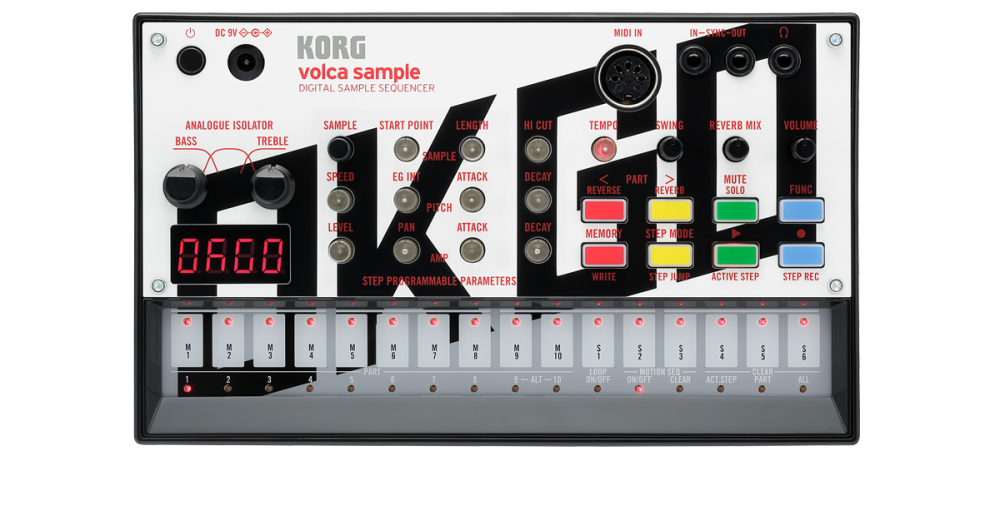
The original Korg Volca Sample is a small, hands-on drum machine that lets you play, tweak, and sequence up to 100 custom sounds. You can build beats, add motion effects, reverse samples, and create grooves with its fun and easy sequencer. It includes features like a powerful analog isolator, reverb, and song mode for more creative control. You could only load new samples using a special iOS app. This model has now been replaced by the improved <a href='/samplers/korg-volca-sample-2'>Volca Sample 2</a>, which adds USB, more memory, and a better workflow.
Polyend Play
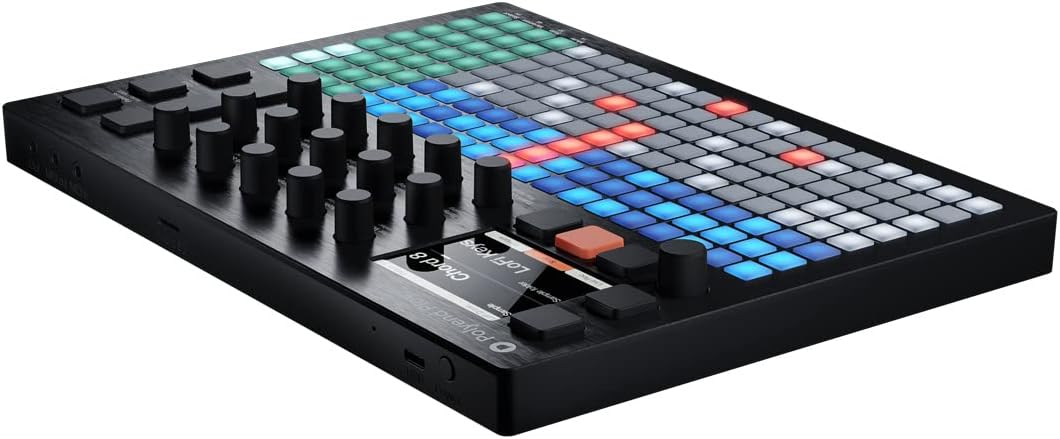
The Polyend Play is a powerful and intuitive sampler and groovebox designed for creative freedom without the complexity. It features over 30 ready-to-use sample kits, eight audio tracks, and eight polyphonic MIDI tracks, all accessible through a user-friendly interface tailored for both studio production and live performance. With 35 unique playback modes, randomizer and step repeater functions, a flexible 64-step sequencer, customizable pattern placement, onboard effects, and deep MIDI integration, the Play invites hands-on experimentation and effortless arrangement—whether you're jamming or building complete tracks from scratch.
| Spec | Korg Volca Sample | Polyend Play |
|---|---|---|
| Manufacturer | Korg | Polyend |
| Year Released | 2014 | 2022 |
| Polyphony | 16 | 64 |
| Sample Rate | 44.1kHz | 44.1kHz |
| Storage | Internal memory | MicroSD card |
| Pads | No pads, uses buttons | 16 velocity-sensitive pads |
| Sequencer | Yes | Yes |
| Effects | Reverb, Delay | Multiple effects |
| I/O | MIDI In, Audio Out | MIDI In/Out, USB, Audio In/Out |
| Screen | LED indicators | LCD display |
| Software Integration | No | No |
| Build | Portable | Groovebox |
| Price | $149 | $1100 |
| More about | Details | Details |
Buy the Polyend Play on Amazon.com
Buy Now On AmazonKorg Volca Sample vs. Polyend Play: Which Sampler is Right for You?
Summary: In this post, we will explore two popular samplers, the Korg Volca Sample and the Polyend Play. We’ll dive into their features, pros and cons, and help you decide which one is best for your musical needs.
Introduction
Hello, music lovers and gear enthusiasts! Today, we’re diving into the world of samplers. A sampler is a tool that can bring your musical ideas to life by allowing you to record, edit, and play back sounds. Two popular choices in the market are the Korg Volca Sample and the Polyend Play. Whether you’re just getting started or you’re a seasoned musician, choosing the right sampler is crucial. Let’s explore what each of these samplers has to offer and which one might be the perfect fit for you.
Feature Comparisons
Sound and Polyphony
The Korg Volca Sample and the Polyend Play both offer impressive sound capabilities, but they differ significantly in their polyphony. The Volca Sample provides 16-note polyphony, which is quite sufficient for many musical styles and simple live performances. Meanwhile, the Polyend Play boasts a much higher polyphony of 64 voices, making it ideal for complex compositions that require multiple layers of sound.
Storage and Sample Rate
Both the Korg Volca Sample and the Polyend Play support a sample rate of 44.1kHz, ensuring clear and high-quality sound reproduction. However, they differ in storage options. The Volca Sample relies on internal memory, which might limit your ability to store many samples but keeps things simple and portable. On the other hand, the Polyend Play uses a MicroSD card for storage, allowing for more extensive sample libraries and greater flexibility.
Interface and Controls
When it comes to interface and controls, these two samplers cater to different preferences. The Korg Volca Sample uses buttons for control, which is straightforward and easy to learn, especially for beginners. It also features LED indicators to keep you informed. In contrast, the Polyend Play includes 16 velocity-sensitive pads, which are perfect for dynamic playing and expressive performances. It also has a more advanced LCD display to give you a clearer view of your settings.
Effects and Sequencing
Both samplers come with built-in effects and sequencers, but they vary in complexity. The Korg Volca Sample offers basic reverb and delay effects, which can add depth to your sounds. Its step sequencer is user-friendly, making it great for live performances. Meanwhile, the Polyend Play provides multiple effects, giving you more creative control over your sound. Its sequencer is also more advanced, allowing for intricate and detailed musical arrangements.
Connectivity and Integration
Connectivity is another area where these samplers differ. The Korg Volca Sample includes MIDI In and Audio Out, which is adequate for basic setups. However, it lacks software integration. The Polyend Play offers a more comprehensive range of connections, including MIDI In/Out, USB, and Audio In/Out, making it compatible with more devices and setups. Like the Volca Sample, it does not support software integration, which might be a downside for users looking for that feature.
Build and Price
The Korg Volca Sample is known for its portability, making it a great choice for musicians on the go. It’s lightweight and compact, perfect for carrying to gigs and rehearsals. Plus, it’s more budget-friendly at $180. The Polyend Play, while still portable, is built as a groovebox, offering a more robust and feature-rich experience. However, this comes at a higher price point of $1100.
Pros and Cons
Korg Volca Sample Pros
- Affordable at $180
- Compact and portable design
- User-friendly with simple controls
- Ideal for live performances with a step sequencer
Korg Volca Sample Cons
- Limited internal storage
- Basic effects only
- No pads, uses buttons
- Lacks software integration
Polyend Play Pros
- High polyphony of 64 voices
- Multiple effects for creative sound design
- Advanced LCD display and velocity-sensitive pads
- Extensive connectivity options
Polyend Play Cons
- Higher price at $1100
- Larger and less portable than the Volca Sample
- No software integration
Final Verdict
In conclusion, the Korg Volca Sample is perfect for beginners and musicians who need a portable, budget-friendly sampler for live performances. Its simplicity and affordability make it an attractive choice for those just starting out.
On the other hand, the Polyend Play is ideal for experienced musicians and producers who want a comprehensive and powerful tool for complex compositions. While it comes with a higher price tag, the features and flexibility it offers are well worth it for those looking to take their music production to the next level.
Both samplers have their unique strengths, and your choice will ultimately depend on your needs and budget. Whether you go with the Korg Volca Sample or the Polyend Play, you’re sure to find a reliable companion for your musical journey.
If you’re interested in learning more, check out the individual pages for the Korg Volca Sample and Polyend Play for more details. Happy sampling!