Korg Volca Sample — VS — Polyend Tracker
Korg Volca Sample
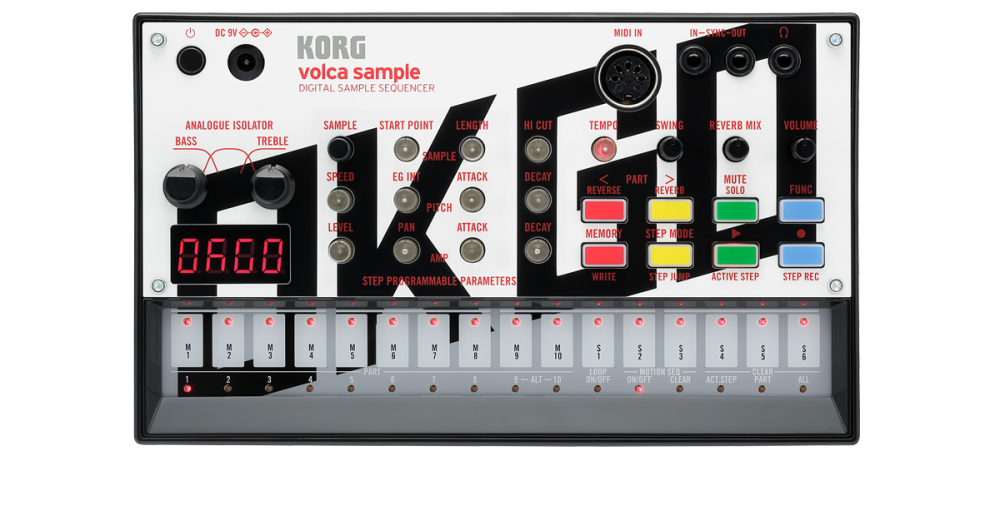
The original Korg Volca Sample is a small, hands-on drum machine that lets you play, tweak, and sequence up to 100 custom sounds. You can build beats, add motion effects, reverse samples, and create grooves with its fun and easy sequencer. It includes features like a powerful analog isolator, reverb, and song mode for more creative control. You could only load new samples using a special iOS app. This model has now been replaced by the improved <a href='/samplers/korg-volca-sample-2'>Volca Sample 2</a>, which adds USB, more memory, and a better workflow.
Polyend Tracker
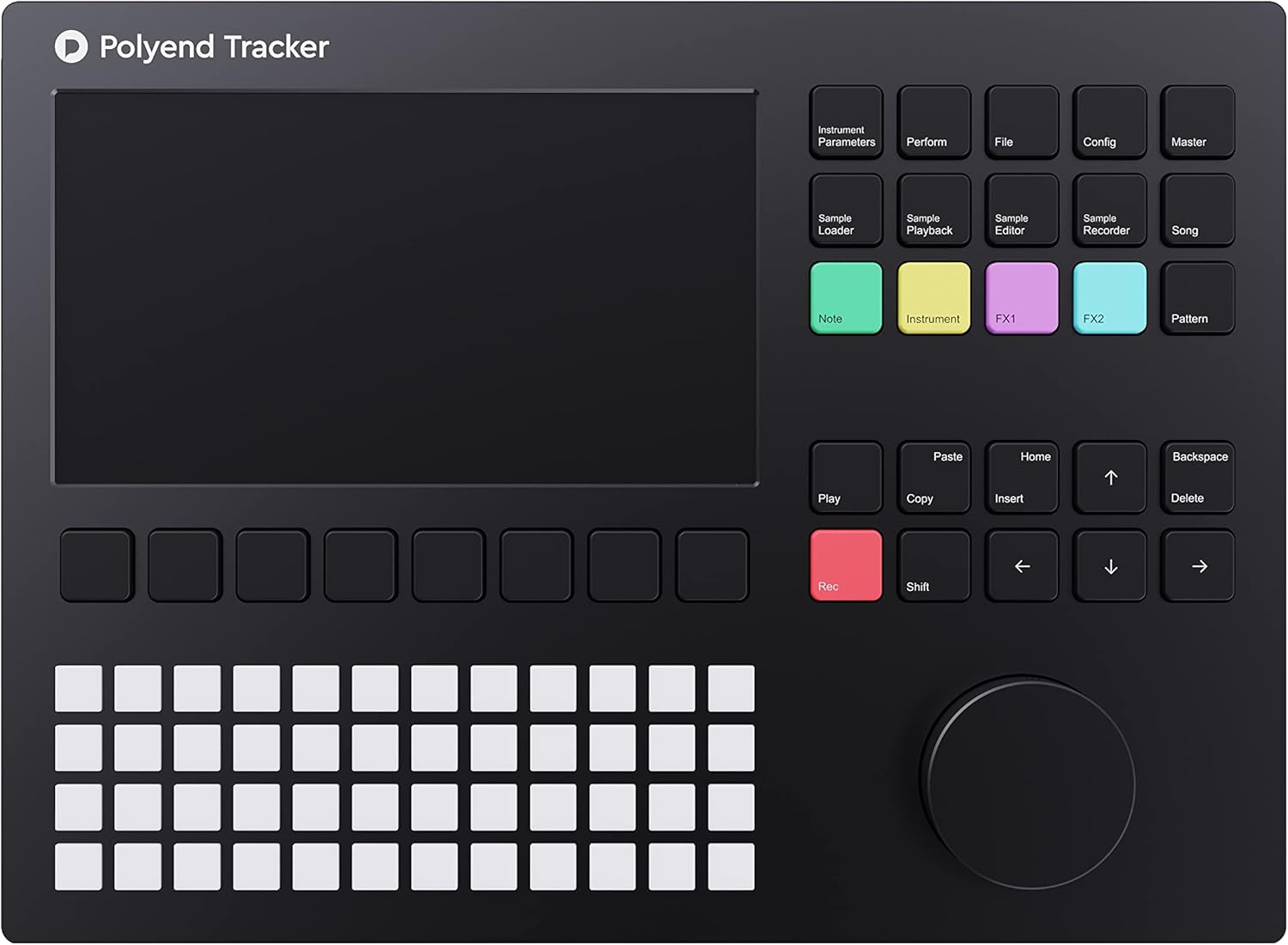
Polyend Tracker is a powerful, easy-to-use music workstation that helps you create and perform your own songs. It's compact, lightweight, and built for making music anywhere—at home, in the studio, or on the go. You can load in your own samples, record new ones with a mic or even from the built-in FM radio, then slice, shape, and play them your way. It has a simple layout, a strong sequencer, and tools like filters and effects to build full tracks. You can also connect it to other gear using MIDI. It's made for creative people who want a fresh, hands-on way to make music.
| Spec | Korg Volca Sample | Polyend Tracker |
|---|---|---|
| Manufacturer | Korg | Polyend |
| Year Released | 2014 | 2020 |
| Polyphony | 16 | 64 |
| Sample Rate | 44.1kHz | 44.1kHz |
| Storage | Internal memory | MicroSD card |
| Pads | No pads, uses buttons | No pads, buttons for input |
| Sequencer | Yes | Yes |
| Effects | Reverb, Delay | Multiple effects |
| I/O | MIDI In, Audio Out | MIDI In/Out, USB, Audio In/Out |
| Screen | LED indicators | LCD display |
| Software Integration | No | No |
| Build | Portable | Tracker-style sampler |
| Price | $149 | $599 |
| More about | Details | Details |
Buy the Polyend Tracker on Amazon.com
Buy Now On AmazonKorg Volca Sample vs. Polyend Tracker: Which Sampler is Right for You?
Summary: Are you trying to decide between the Korg Volca Sample and the Polyend Tracker? This blog post will help you compare these two popular samplers to find out which one suits your music-making needs the best. We’ll look at their features, pros and cons, and help you decide which sampler is right for your studio or live performances.
Introduction
When it comes to making music, samplers can be incredibly fun and powerful tools. They let you record, manipulate, and sequence sounds in all sorts of creative ways. Today, we’re going to compare two popular samplers: the Korg Volca Sample and the Polyend Tracker. Both are fantastic devices, but they have different strengths and are suited for different types of musicians. Whether you’re a beginner or a seasoned music producer, this comparison will help you understand what makes each of these samplers unique.
Feature Comparisons
Sound and Polyphony
The first thing to consider when choosing a sampler is how it sounds and how many notes it can play at once, known as polyphony. The Korg Volca Sample offers 16 notes of polyphony. This means you can play up to 16 samples at the same time, which is great for crafting complex beats and soundscapes.
On the other hand, the Polyend Tracker boasts a whopping 64 notes of polyphony. This high polyphony is perfect for those who want to create more intricate compositions with lots of overlapping sounds. If you’re someone who loves layering sounds and creating dense musical textures, the Polyend Tracker might be the better choice.
Sample Rate and Storage
Both samplers operate at a sample rate of 44.1kHz, which is CD-quality audio. However, they differ in how they store samples. The Korg Volca Sample uses internal memory, which is convenient as you don’t need any additional storage devices. However, this might limit the number of samples you can store at one time.
In contrast, the Polyend Tracker uses a MicroSD card for storage. This means you can have a virtually unlimited number of samples as long as you have enough MicroSD cards. This is a major advantage if you like to have a large library of sounds at your fingertips.
Interface and Usability
The interface is where these two samplers differ significantly. The Korg Volca Sample uses buttons and has LED indicators. Its interface is straightforward and easy to learn, making it an excellent choice for beginners or those who prefer a simpler setup.
Meanwhile, the Polyend Tracker features a large LCD display and a grid of buttons. Its tracker-style interface is unique and might be more appealing to those who enjoy a more visual approach to sequencing. While the learning curve might be steeper than the Volca Sample, it offers more flexibility and visual feedback.
Sequencer and Effects
Both samplers come with built-in sequencers. The Korg Volca Sample’s step sequencer is intuitive and perfect for live performances. It also includes reverb and delay effects, which can add depth to your sounds.
The Polyend Tracker takes sequencing to another level with its advanced tracker-style sequencer. It allows for more complex patterns and control over your music. Moreover, it comes with a wide array of effects, giving you more options to shape your sound.
Connectivity and Integration
When it comes to connectivity, the Korg Volca Sample has MIDI In and Audio Out. It’s designed to be portable and easy to integrate into live setups. However, it lacks software integration, which might be a downside for those who enjoy working with computer-based music production tools.
The Polyend Tracker offers more connectivity options, including MIDI In/Out, USB, and Audio In/Out. This makes it more versatile in terms of integrating with other gear and software. If you like to connect your sampler to a computer or other devices, the Polyend Tracker might be the better choice.
Pros and Cons
Korg Volca Sample
Pros:
- Affordable price ($180)
- Portable and easy to use
- Intuitive step sequencer
- Built-in reverb and delay effects
Cons:
- Limited storage capacity
- No software integration
- Basic LED indicators
Polyend Tracker
Pros:
- High polyphony (64 notes)
- Extensive storage options with MicroSD
- Advanced tracker-style sequencer
- Multiple effects and connectivity options
Cons:
- Higher price ($1200)
- Steeper learning curve
- Not as portable as the Volca Sample
Final Verdict: Who is Each Sampler Best For?
Choosing the right sampler depends on your needs and how you plan to use it. The Korg Volca Sample is perfect for those who are new to music production or want a simple and affordable device for live performances. Its portability and ease of use make it a solid choice for musicians who need something straightforward and effective.
On the other hand, the Polyend Tracker is ideal for those who want more power, flexibility, and connectivity. If you’re an experienced producer looking for a versatile tool with a unique interface, the Polyend Tracker offers more depth and creativity for crafting complex compositions.
In summary, the Korg Volca Sample and Polyend Tracker cater to different needs in the world of music production. Whether you value simplicity or complexity, there is a sampler here for you. Choose the one that best matches your musical ambitions and start creating amazing sounds today!