Native Instruments Maschine Mikro Mk3 — VS — Polyend Play
Native Instruments Maschine Mikro Mk3
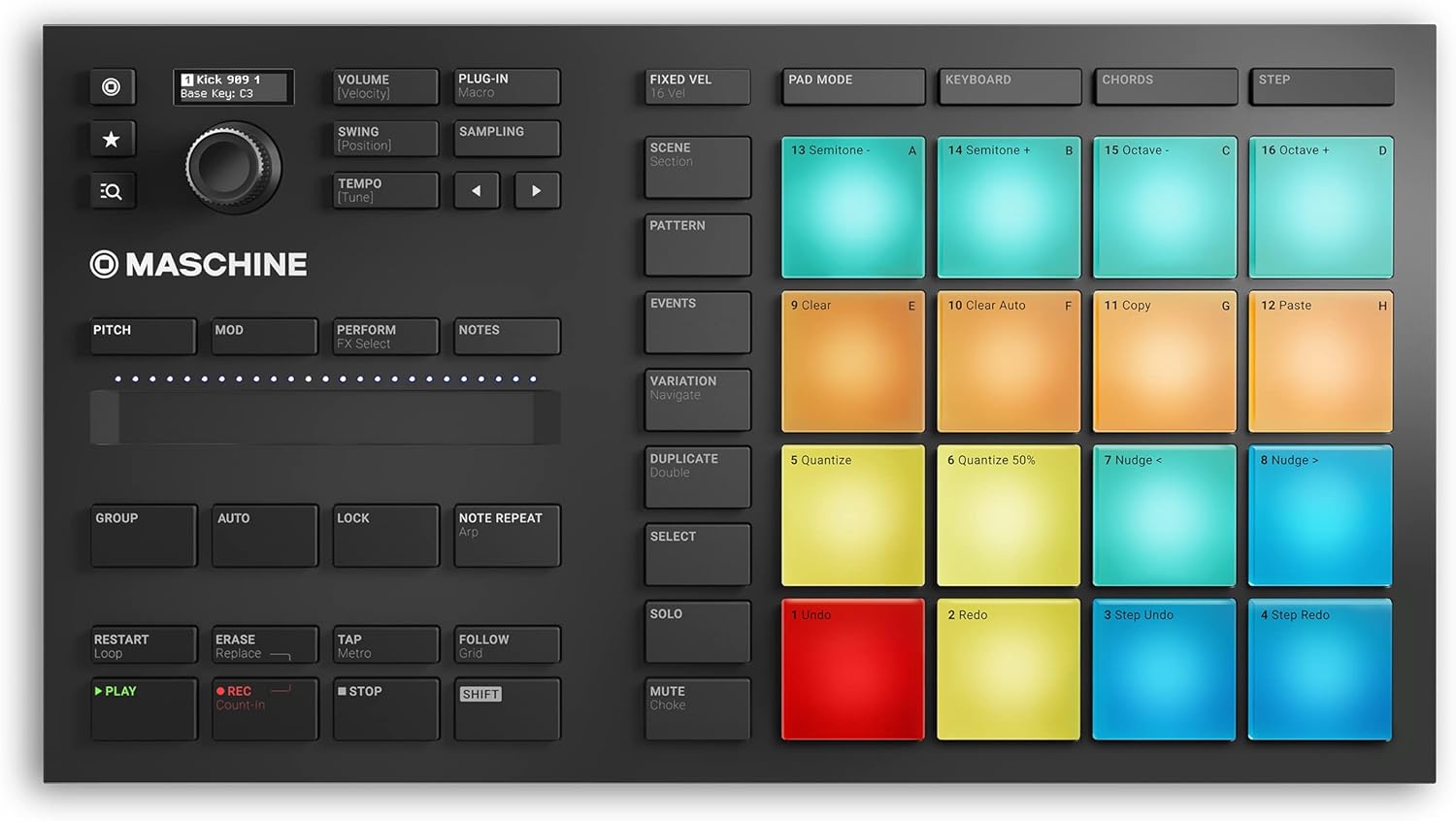
MASCHINE MIKRO Mk3 is a small, easy-to-use music tool that helps you make beats and songs with your computer. It works great with your favorite music software and gives you hands-on control with its 16 touch pads.</p><p class='text-gray-700 mb-4'>You can tap out drum beats, play melodies, build chords, or use the classic step-by-step method to create music. It comes with a bunch of built-in sounds—like drums, loops, and instruments—so you can start making tracks right away. MASCHINE MIKRO is powered by USB and works with all the major music programs like Ableton Live, Logic Pro, and FL Studio. It's a fun and powerful way to bring your music ideas to life.
Polyend Play
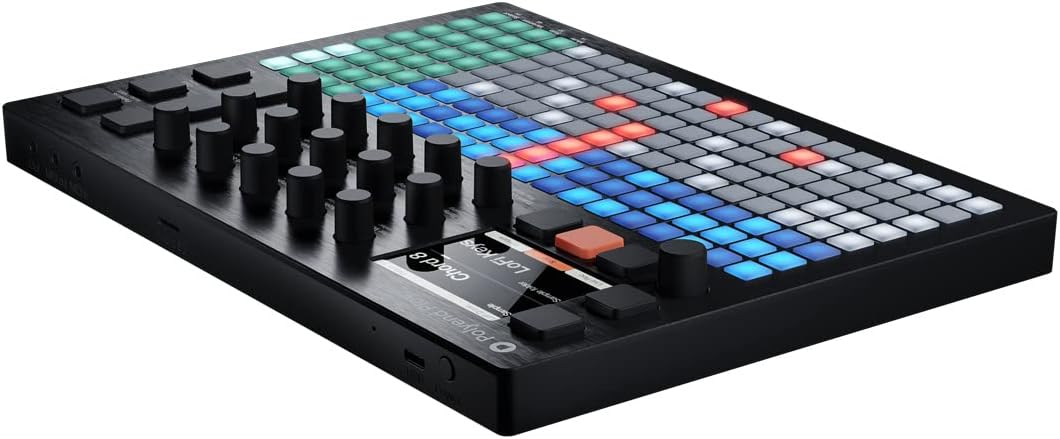
The Polyend Play is a powerful and intuitive sampler and groovebox designed for creative freedom without the complexity. It features over 30 ready-to-use sample kits, eight audio tracks, and eight polyphonic MIDI tracks, all accessible through a user-friendly interface tailored for both studio production and live performance. With 35 unique playback modes, randomizer and step repeater functions, a flexible 64-step sequencer, customizable pattern placement, onboard effects, and deep MIDI integration, the Play invites hands-on experimentation and effortless arrangement—whether you're jamming or building complete tracks from scratch.
| Spec | Native Instruments Maschine Mikro Mk3 | Polyend Play |
|---|---|---|
| Manufacturer | Native Instruments | Polyend |
| Year Released | 2017 | 2022 |
| Polyphony | 128 | 64 |
| Sample Rate | 44.1kHz | 44.1kHz |
| Storage | Internal storage | MicroSD card |
| Pads | 16 large velocity-sensitive pads | 16 velocity-sensitive pads |
| Sequencer | Yes | Yes |
| Effects | EQ, Reverb, Delay | Multiple effects |
| I/O | MIDI In/Out, USB, Audio Out | MIDI In/Out, USB, Audio In/Out |
| Screen | Full color display | LCD display |
| Software Integration | Maschine Software | No |
| Build | Controller | Groovebox |
| Price | $269 | $1100 |
| More about | Details | Details |
Buy the Native Instruments Maschine Mikro Mk3 on Amazon.com
Buy Now On AmazonBuy the Polyend Play on Amazon.com
Buy Now On AmazonPolyend Play vs. Native Instruments Maschine Mikro Mk3: A Comprehensive Comparison
Summary
This blog post compares two popular music gear devices: the Polyend Play and the Native Instruments Maschine Mikro Mk3. Both devices have unique strengths and are designed for different user needs, whether you’re a budding music producer or a seasoned professional. Let’s dive into the details to see which one might be the best fit for you!
Introduction
If you are a music enthusiast looking to create beats and compose tracks, then you know the importance of having the right tools. Today, we will explore two fantastic devices that can help you in your music-making journey. Whether you prefer the standalone functionality of a groovebox or the seamless software integration of a controller, the Polyend Play and the Native Instruments Maschine Mikro Mk3 offer exciting possibilities. Let’s explore these two samplers and see how they stack up against each other!
Meet the Contenders
Polyend Play
The Polyend Play is a sampler and groovebox designed for creative freedom without complexity. Released in 2022 by Polyend, this device offers a user-friendly interface that caters to both studio production and live performances. It features 16 velocity-sensitive pads, multiple effects, and deep MIDI integration, all housed in a robust groovebox build. The Polyend Play is priced at $1100, making it a premium choice for those looking for a powerful standalone device.
Native Instruments Maschine Mikro Mk3
The Native Instruments Maschine Mikro Mk3, launched in 2017, is a compact controller that works seamlessly with your computer. It comes with 16 large velocity-sensitive pads and integrates with the Maschine software, offering a smooth music production experience. Priced at $269, it is an affordable option for musicians who prefer working within a digital audio workstation environment.
Feature Comparisons
Build and Design
The Polyend Play is a standalone groovebox, meaning it doesn’t need a computer to function. It features a sturdy build, with 16 velocity-sensitive pads that invite hands-on experimentation. Its LCD display and intuitive interface make it easy to navigate through its numerous features.
On the other hand, the Maschine Mikro Mk3 is a controller that requires a computer. It sports 16 large velocity-sensitive pads and a full-color display. Its compact design makes it portable and easy to integrate into any studio setup.
Polyphony
Polyphony refers to the number of sounds a device can produce simultaneously. The Polyend Play offers 64 voices of polyphony, while the Maschine Mikro Mk3 doubles that with 128 voices. This gives the Maschine Mikro Mk3 an edge for those who need to layer many sounds at once.
Sequencer and Effects
Both devices feature a sequencer, allowing users to create and arrange their music in a step-by-step fashion. The Polyend Play shines with its versatile 64-step sequencer, 35 unique playback modes, randomizer, and step repeater functions. It also boasts multiple effects to enhance your sound.
Meanwhile, the Maschine Mikro Mk3 offers EQ, reverb, and delay effects, which are essential for shaping your tracks. Its integration with the Maschine software means you have access to even more effects and sounds within your computer.
Storage and Connectivity
The Polyend Play uses a MicroSD card for storage, allowing for easy expansion and transfer of samples. It features MIDI In/Out, USB, and Audio In/Out, providing extensive connectivity options.
The Maschine Mikro Mk3 has internal storage and connects via USB, MIDI In/Out, and Audio Out. While its storage is not expandable, it allows for quick and easy integration with your computer setup.
Software Integration
One of the significant differences between the two is software integration. The Polyend Play does not integrate with software, as it is designed for standalone use. This makes it ideal for those who want to create music without a computer.
Conversely, the Maschine Mikro Mk3 is designed to work with the Maschine software, offering a seamless experience for those who prefer to produce music on a computer. It also integrates with other popular music programs like Ableton Live, Logic Pro, and FL Studio.
Pros and Cons
Polyend Play
Pros:
- Standalone functionality
- Intuitive interface
- Versatile sequencer and effects
- Expandable storage via MicroSD
- Ideal for both studio and live performance
Cons:
- Higher price point
- No software integration
Native Instruments Maschine Mikro Mk3
Pros:
- Affordable price
- Seamless software integration
- Compact and portable design
- Large library of sounds
Cons:
- Requires a computer to function
- Limited standalone capabilities
Who Are These Samplers Best For?
The Polyend Play is perfect for musicians who want a powerful standalone device that offers creative freedom without the need for a computer. Its intuitive interface and versatile features make it ideal for both studio production and live performances.
On the other hand, the Native Instruments Maschine Mikro Mk3 is best suited for those who prefer working within a digital audio workstation environment. Its seamless software integration and affordable price make it an excellent choice for beginners and budget-conscious musicians.
Conclusion
Both the Polyend Play and the Maschine Mikro Mk3 offer unique features and benefits that cater to different musical needs. If you are looking for a standalone groovebox with expansive features, the Polyend Play is the way to go. However, if you want a controller that integrates smoothly with software and is easy on the wallet, the Maschine Mikro Mk3 is a fantastic choice. Ultimately, the best sampler is the one that fits your workflow and creative style. Happy music-making!