Native Instruments Maschine+ — VS — Polyend Tracker
Native Instruments Maschine+
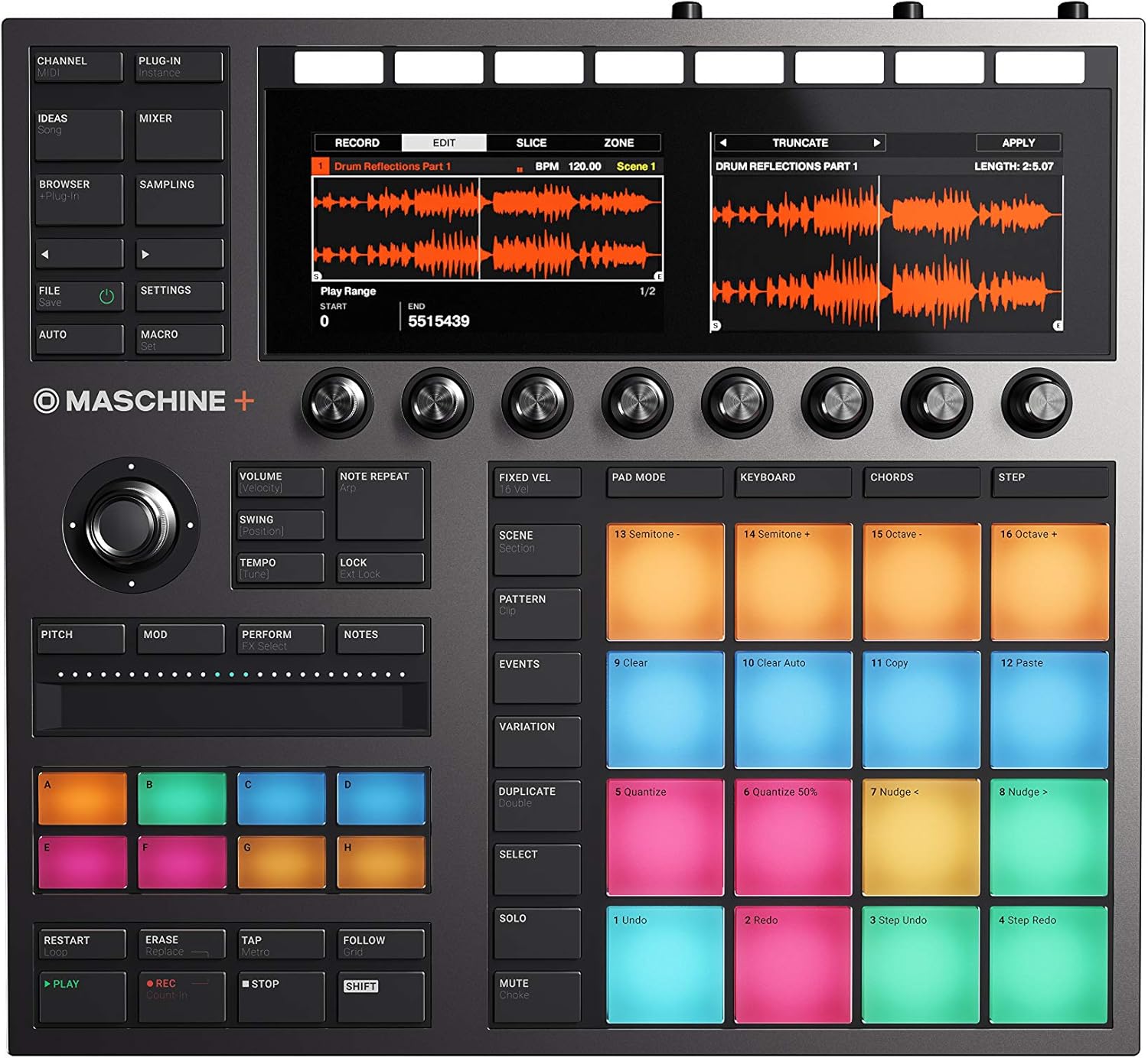
MASCHINE+ is a powerful music-making tool that lets you create beats, melodies, and full songs—no computer needed. It's a sampler, drum machine, and synth all in one, packed with built-in sounds, instruments, and effects.</p><p class='text-gray-700 mb-4'>Whether you're at home or on stage, MASCHINE+ gives you everything you need to make music quickly. Just turn it on, plug in your gear, and start creating. It's built tough for travel, has a fast processor for smooth performance, and includes pro-level audio connections. With MASCHINE+, you get the classic MASCHINE experience—now with more freedom and less hassle.
Polyend Tracker
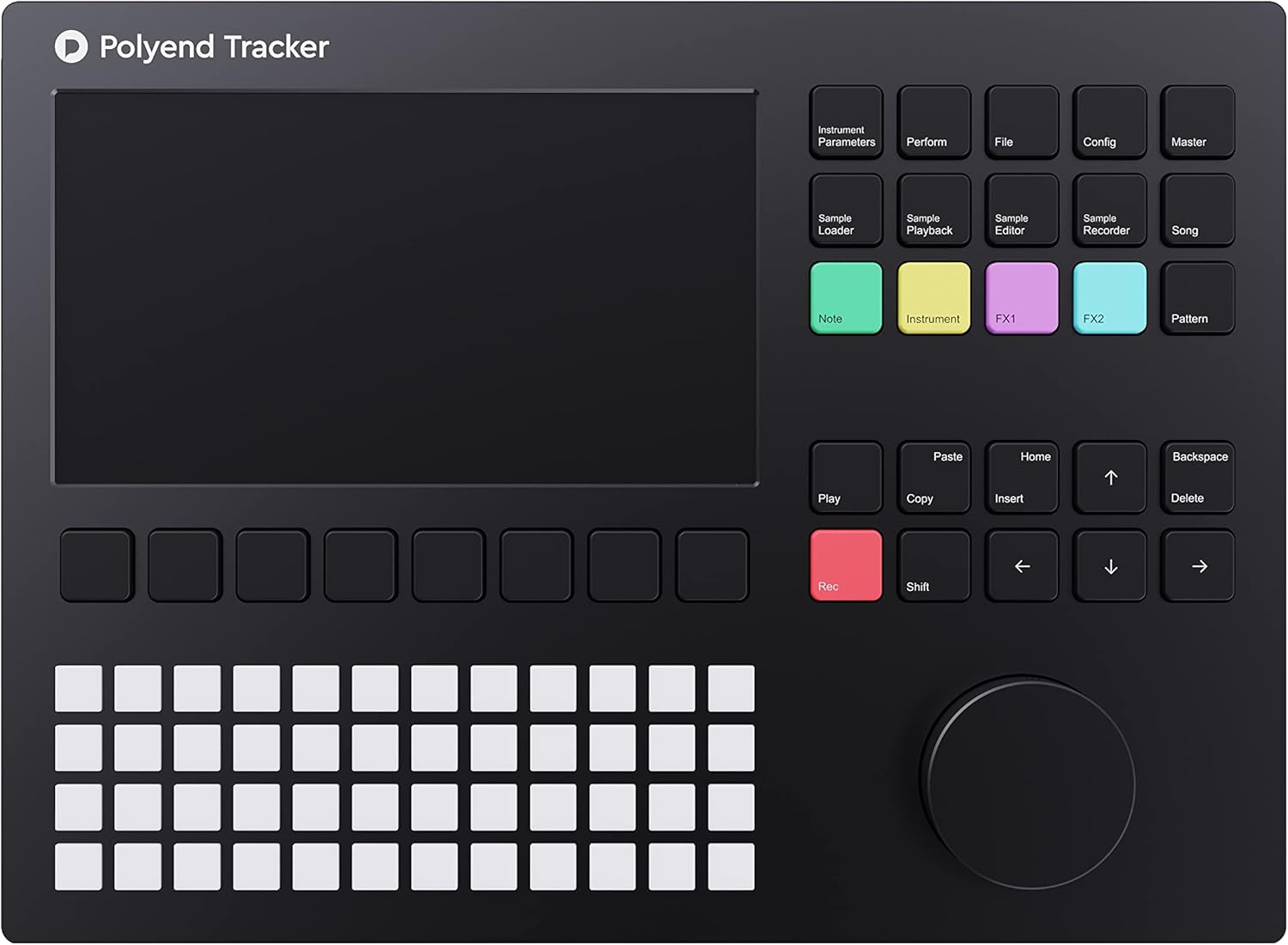
Polyend Tracker is a powerful, easy-to-use music workstation that helps you create and perform your own songs. It's compact, lightweight, and built for making music anywhere—at home, in the studio, or on the go. You can load in your own samples, record new ones with a mic or even from the built-in FM radio, then slice, shape, and play them your way. It has a simple layout, a strong sequencer, and tools like filters and effects to build full tracks. You can also connect it to other gear using MIDI. It's made for creative people who want a fresh, hands-on way to make music.
| Spec | Native Instruments Maschine+ | Polyend Tracker |
|---|---|---|
| Manufacturer | Native Instruments | Polyend |
| Year Released | 2020 | 2020 |
| Polyphony | 128 | 64 |
| Sample Rate | 44.1kHz | 44.1kHz |
| Storage | Internal storage | MicroSD card |
| Pads | 16 large velocity-sensitive pads | No pads, buttons for input |
| Sequencer | Yes | Yes |
| Effects | EQ, Reverb, Delay | Multiple effects |
| I/O | MIDI In/Out, USB, Audio Out | MIDI In/Out, USB, Audio In/Out |
| Screen | Full color display | LCD display |
| Software Integration | Standalone Maschine Software | No |
| Build | Standalone | Tracker-style sampler |
| Price | $1400 | $599 |
| More about | Details | Details |
Buy the Native Instruments Maschine+ on Amazon.com
Buy Now On AmazonBuy the Polyend Tracker on Amazon.com
Buy Now On AmazonComparing the Native Instruments Maschine+ and the Polyend Tracker
Summary: The Native Instruments Maschine+ and the Polyend Tracker are two intriguing devices for music production. They both offer unique features that cater to different types of music creators. In this blog post, we will explore their features, pros, and cons to help you decide which one might be the best fit for your musical journey.
Introduction
Hello, music enthusiasts! Today, we’re diving into the world of samplers. Imagine having a magical box that can play and manipulate sounds to help you create your own music. That’s exactly what samplers do! We’re going to compare two popular samplers: Native Instruments Maschine+ and Polyend Tracker. Both are amazing tools, but they have different strengths and purposes. Let’s explore them together!
Meet the Samplers
Before we start comparing, let’s get to know our contenders a bit better.
Native Instruments Maschine+
The Native Instruments Maschine+ is like a mini music studio all on its own. This standalone device doesn’t need a computer to work, which means you can take it anywhere and make music on the go. It was released in 2020 and has 16 large, colorful pads that you can tap to play sounds. It also has a full-color display and lots of effects to make your music sound just right. All this comes at a price of $1400.
Polyend Tracker
The Polyend Tracker, also released in 2020, is a bit different. It uses a unique approach to sequencing music, similar to old-school trackers from the ’90s. Instead of pads, it has buttons and a big LCD screen where you can see and edit your music. It’s smaller and more affordable at $1200, and uses a MicroSD card for storage.
Feature Comparisons
Now let’s compare these two devices feature by feature to see what makes each one special.
Polyphony and Sound Quality
Polyphony is about how many sounds a device can play at once. The Maschine+ supports up to 128 sounds at the same time. That’s a lot of music! The Polyend Tracker, on the other hand, can handle 64 sounds simultaneously. Both devices have a sample rate of 44.1kHz, which is CD-quality sound, so your music will sound great on either device.
Storage and Portability
The Maschine+ has internal storage, which means you don’t have to worry about carrying extra cards or drives. This makes it super convenient if you like to keep everything in one place. The Polyend Tracker uses a MicroSD card for storage. This is great if you like to organize your files yourself and want to have lots of space for different projects.
Pads and Input
The Maschine+ has 16 large, velocity-sensitive pads. This means you can tap them softly or hard to change how the sound plays. It’s perfect for drumming or playing melodies. The Polyend Tracker doesn’t have pads; instead, it uses buttons for input. This might feel different if you’re used to playing with pads, but it can also be a fun new way to make music.
Sequencer and Effects
Both devices have sequencers, which are tools that let you arrange your music in the order you want. However, they work a bit differently. The Maschine+ uses standalone Maschine software, which integrates smoothly into its workflow. It also offers effects like EQ, reverb, and delay to spice up your tracks.
The Polyend Tracker’s sequencer is more like a traditional tracker, which some people find nostalgic and inspiring. It also has multiple effects to enhance your sound, although the exact effects might vary.
Screen and Interface
The Maschine+ features a full-color display that makes it easy to see what you’re doing. This is especially helpful when you’re navigating through the device’s many features. The Polyend Tracker has an LCD display, which is clear and functional, but not as vibrant as the Maschine+’s screen.
Connections and Integration
Both devices have MIDI In/Out and USB connectivity, which allows you to connect them to other musical instruments or a computer. The Maschine+ also has audio output, while the Polyend Tracker includes both audio input and output, offering more flexibility in how you connect it to other gear. However, only the Maschine+ is designed to work with specific standalone software, giving it a bit of an edge in software integration.
Pros and Cons
Let’s break down the pros and cons of each sampler to see what they do best and where they might fall short.
Native Instruments Maschine+
Pros:
- Standalone operation without needing a computer
- High polyphony with 128 voices
- Large, colorful pads for intuitive playing
- Full-color display for easy navigation
- Integrated Maschine software for seamless workflow
Cons:
- Higher price point at $1400
- May be complex for beginners due to its many features
Polyend Tracker
Pros:
- Unique tracker-style sequencing for creative possibilities
- Portable and affordable at $1200
- MicroSD storage for flexible file management
- Includes both audio input and output for diverse connections
Cons:
- Lower polyphony with 64 voices
- No pads, which might require adjustment for some users
- LCD display less vibrant than full-color alternatives
Final Thoughts
In summary, both the Native Instruments Maschine+ and the Polyend Tracker are excellent tools for music production, but they cater to different audiences.
Who Should Choose the Maschine+?
If you want a standalone device with lots of features, and you love playing with pads, the Maschine+ is a great choice. It’s perfect for musicians who want a powerful, portable studio that can handle complex productions. Its vibrant display and integrated software make it a joy to use, but it comes with a higher price tag.
Who Should Choose the Polyend Tracker?
If you’re looking for something more affordable and enjoy the nostalgia of tracker-style sequencing, the Polyend Tracker is the way to go. It’s great for creative musicians who like experimenting with different ways to make music. Its portability and unique interface make it a fun and inspiring tool for producing tracks on the go.
Ultimately, your choice will depend on your personal preferences and how you like to create music. Both devices offer their own unique strengths, so you can’t go wrong with either!