Polyend Play+ — VS — Teenage Engineering OP-1 Field
Polyend Play+
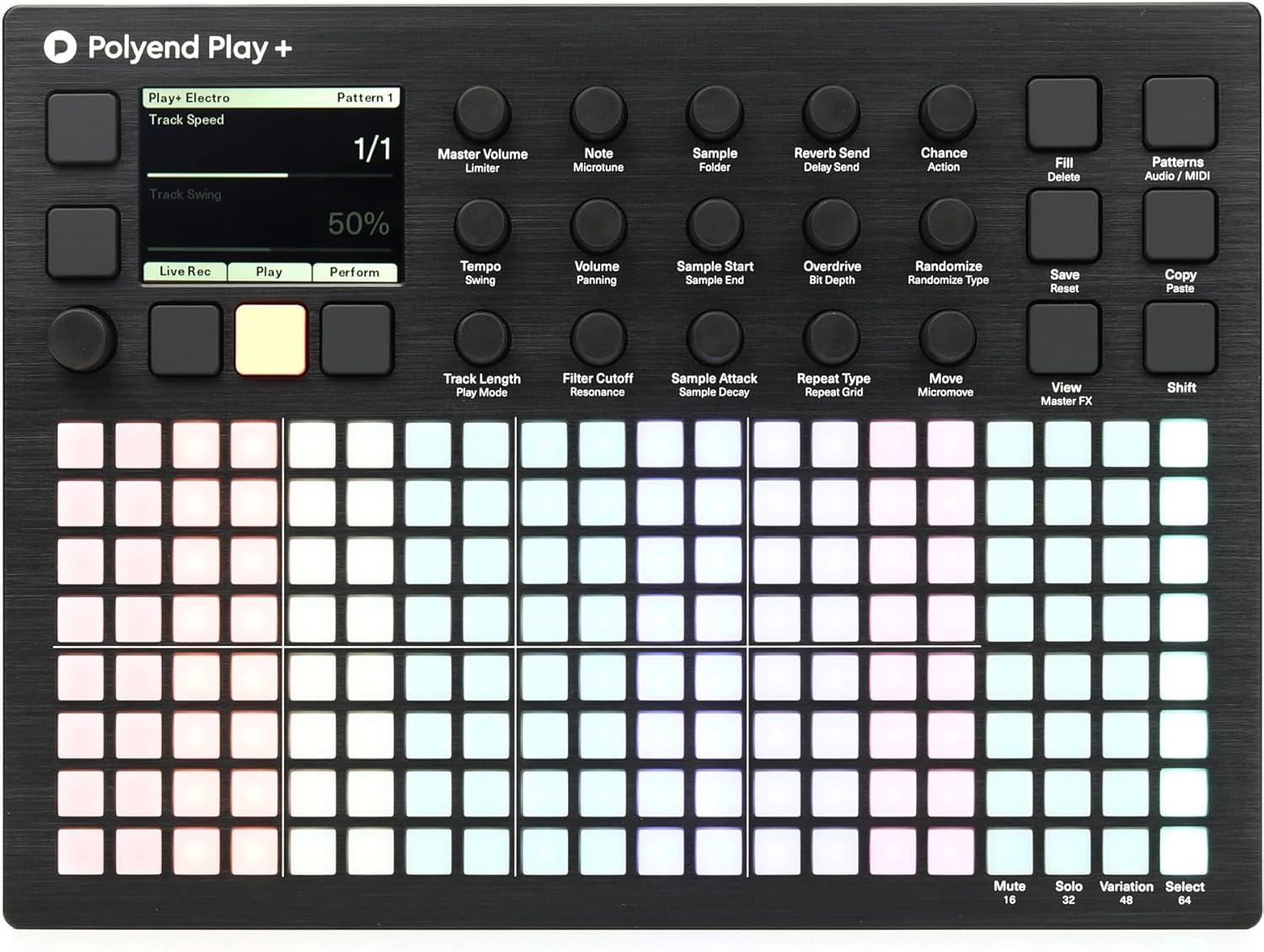
The Polyend Play+ builds on the original Polyend Play by adding upgraded internals and expanded features for creative sequencing, sample playback, and live performance. It supports stereo sample playback, powerful track-based sequencing, per-step automation, and advanced MIDI sequencing—all with a large 8x8 grid and deep performance tools. Ideal for electronic producers and live performers looking for a portable yet capable music workstation.
Teenage Engineering OP-1 Field
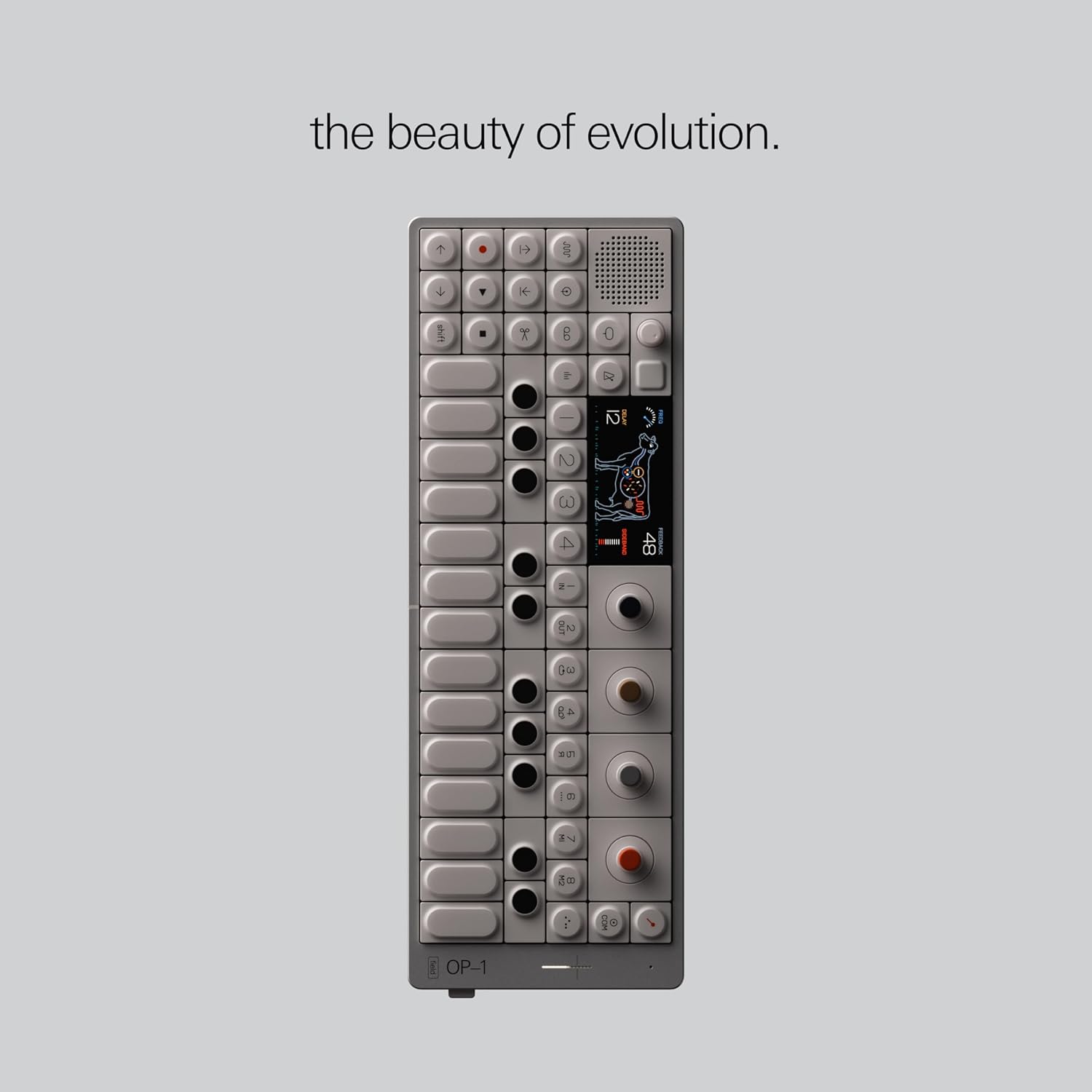
The OP-1 Field is a super cool, all-in-one music maker you can take anywhere. It's small, strong, and sounds amazing. You can play music, record sounds, and mix it all together right on the device. It has a bright screen, loud speakers, and even velcro on the back to add fun stuff. You can connect it to your phone or computer, and it works great with other music gear too. Whether you're at home or outside, it's ready to help you create awesome music.
| Spec | Polyend Play+ | Teenage Engineering OP-1 Field |
|---|---|---|
| Manufacturer | Polyend | Teenage Engineering |
| Year Released | 2023 | 2022 |
| Polyphony | 8 | 8 |
| Sample Rate | 44.1kHz / 16-bit | 44.1kHz |
| Storage | MicroSD card | Internal storage |
| Pads | 8x8 velocity-sensitive pad grid | No pads, uses buttons |
| Sequencer | Yes, 16-track pattern-based | Yes |
| Effects | Reverb, Delay, Overdrive, EQ, Master FX | Multiple effects |
| I/O | Stereo In, Stereo Out, MIDI In/Out/Thru, USB-C | USB Audio, MIDI |
| Screen | High-res color display | OLED display |
| Software Integration | Drag-and-drop sample management via USB | No |
| Build | Modern standalone groovebox sampler | Portable synth/sampler/sequencer |
| Price | $799 | $1999 |
| More about | Details | Details |
Buy the Polyend Play+ on Amazon.com
Buy Now On AmazonBuy the Teenage Engineering OP-1 Field on Amazon.com
Buy Now On AmazonTeenage Engineering OP-1 Field vs. Polyend Play+: A Comprehensive Comparison
Summary:
Choosing the right music sampler can be tricky. Today, we’re diving into two exciting devices: the Teenage Engineering OP-1 Field and the Polyend Play+. Both have unique features that can help you make amazing music, whether you’re a beginner or a seasoned producer. Let’s explore what makes them special and see which one might be the perfect fit for you.
Introduction
Music samplers are like magic boxes that can help you create sounds and beats anywhere you go. They are especially loved by electronic music producers and live performers for their ability to capture, manipulate, and play back sounds in creative ways. In this blog post, we’ll compare two popular samplers: the Teenage Engineering OP-1 Field and the Polyend Play+. Both are packed with features, but they cater to slightly different users. Let’s see how they stack up against each other.
Features
Design and Build
The Teenage Engineering OP-1 Field is known for its sleek, portable design. It looks like a tiny keyboard with colorful buttons and a bright OLED screen. It’s perfect for musicians who love to make music on the go. The device is strong and sturdy, making it ideal for outdoor use or traveling.
On the other hand, the Polyend Play+ is designed as a standalone groovebox sampler with a modern aesthetic. It features an 8x8 grid of velocity-sensitive pads, which makes it great for live performances and complex beat-making. The high-resolution color display adds to its modern look, providing clear visuals and an intuitive interface for users.
Sound Quality
Both samplers offer excellent sound quality with a sample rate of 44.1kHz, but the Polyend Play+ adds a bit more depth with its 16-bit processing. This means you might notice richer and more detailed sounds, especially when layering samples or applying effects.
Storage and Connectivity
When it comes to storage, the OP-1 Field uses internal storage, which means all your sounds and projects stay safe inside the device. You can connect it to a computer or phone via USB for transferring files.
The Polyend Play+ takes a different approach with a MicroSD card for storage. This allows for easy swapping of cards and expanding storage as needed. It also supports USB-C connectivity for drag-and-drop sample management, making it user-friendly and efficient for producers who work with large sample libraries.
Pads and Sequencing
The OP-1 Field does not have traditional pads, instead relying on buttons to play music and interact with its built-in sequencer. This might be a bit limiting for those who are used to playing with pads.
In contrast, the Polyend Play+ shines with its 8x8 pad grid, offering 64 pads for expressive performance. Its 16-track pattern-based sequencer allows for complex composition and arrangement, which is a big plus for producers who enjoy detailed sequencing and beat-making.
Effects and Integration
Both devices offer a variety of effects to enhance your music. The OP-1 Field comes with multiple effects built-in, while the Polyend Play+ offers reverb, delay, overdrive, EQ, and master effects, giving users a wide range of options to shape their sounds.
In terms of software integration, the OP-1 Field doesn’t offer much, focusing instead on being a standalone device. The Polyend Play+, however, supports drag-and-drop sample management via USB, making it easier for users to integrate it into their existing workflows.
Pros and Cons
Teenage Engineering OP-1 Field
Pros:
- Highly portable and durable design
- Bright OLED display for clear visuals
- Multiple built-in effects
- Great for creating music on the go
Cons:
- High price point at $1999
- Limited by button interface (no pads)
- No software integration
Polyend Play+
Pros:
- Affordable price at $799
- 8x8 velocity-sensitive pad grid for expressive performance
- High-resolution color display
- Extensive effects and MIDI capabilities
- Software integration with drag-and-drop sample management
Cons:
- Bulkier than the OP-1 Field
- Relies on MicroSD for storage, which might be less convenient for some users
Final Verdict
Both the Teenage Engineering OP-1 Field and the Polyend Play+ are fantastic samplers, each with its own strengths. If you are a musician who loves to travel light and doesn’t mind working within the constraints of a button-based interface, the OP-1 Field is a brilliant choice. Its robust build and high-quality sound make it ideal for creating music anywhere.
On the other hand, if you are an electronic producer or live performer who enjoys hands-on control with pads and needs advanced sequencing capabilities, the Polyend Play+ is the way to go. Its affordability, coupled with powerful performance features, makes it a versatile tool for both studio and stage use.
In conclusion, your choice should depend on your specific needs and budget. Both devices offer unique ways to create and perform music, and either one could be the perfect addition to your music-making toolkit.