Polyend Play — VS — Polyend Tracker
Polyend Play
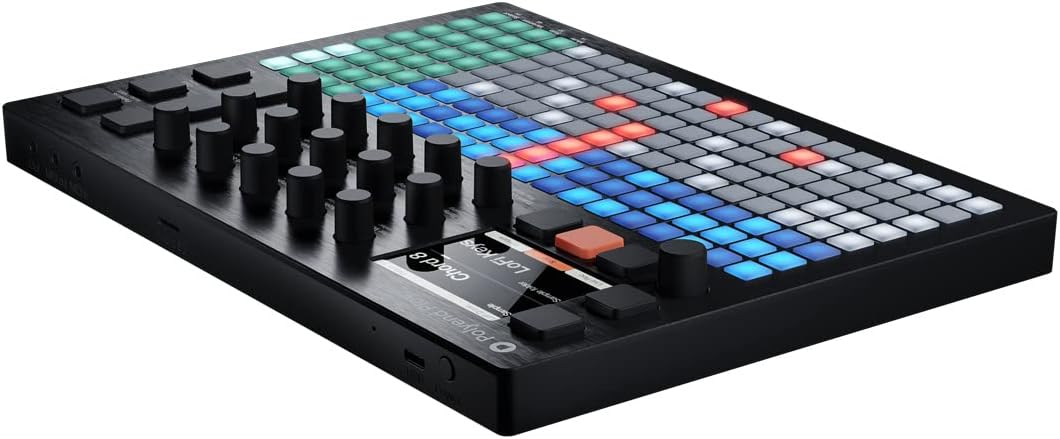
The Polyend Play is a powerful and intuitive sampler and groovebox designed for creative freedom without the complexity. It features over 30 ready-to-use sample kits, eight audio tracks, and eight polyphonic MIDI tracks, all accessible through a user-friendly interface tailored for both studio production and live performance. With 35 unique playback modes, randomizer and step repeater functions, a flexible 64-step sequencer, customizable pattern placement, onboard effects, and deep MIDI integration, the Play invites hands-on experimentation and effortless arrangement—whether you're jamming or building complete tracks from scratch.
Polyend Tracker
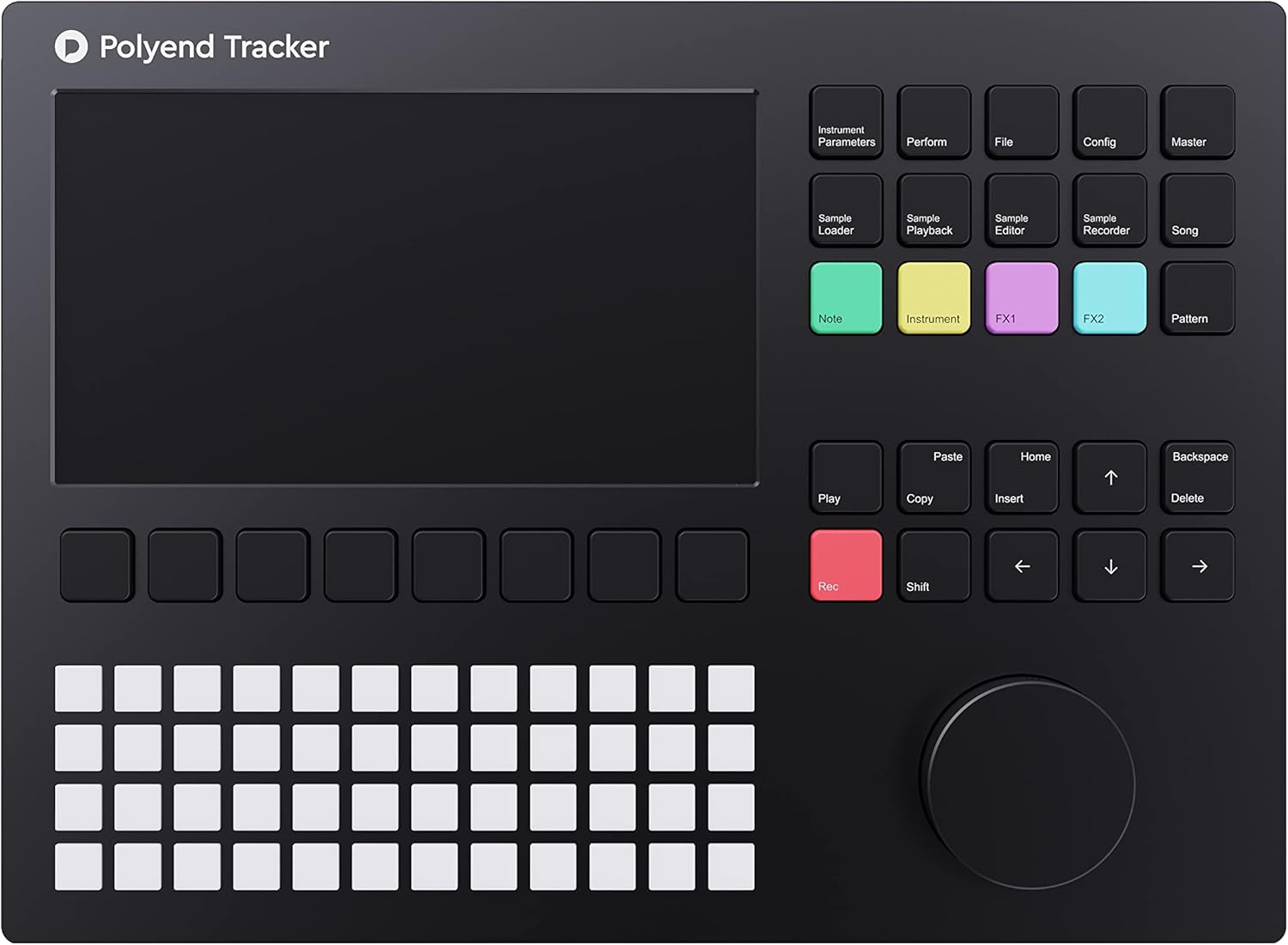
Polyend Tracker is a powerful, easy-to-use music workstation that helps you create and perform your own songs. It's compact, lightweight, and built for making music anywhere—at home, in the studio, or on the go. You can load in your own samples, record new ones with a mic or even from the built-in FM radio, then slice, shape, and play them your way. It has a simple layout, a strong sequencer, and tools like filters and effects to build full tracks. You can also connect it to other gear using MIDI. It's made for creative people who want a fresh, hands-on way to make music.
| Spec | Polyend Play | Polyend Tracker |
|---|---|---|
| Manufacturer | Polyend | Polyend |
| Year Released | 2022 | 2020 |
| Polyphony | 64 | 64 |
| Sample Rate | 44.1kHz | 44.1kHz |
| Storage | MicroSD card | MicroSD card |
| Pads | 16 velocity-sensitive pads | No pads, buttons for input |
| Sequencer | Yes | Yes |
| Effects | Multiple effects | Multiple effects |
| I/O | MIDI In/Out, USB, Audio In/Out | MIDI In/Out, USB, Audio In/Out |
| Screen | LCD display | LCD display |
| Software Integration | No | No |
| Build | Groovebox | Tracker-style sampler |
| Price | $1100 | $599 |
| More about | Details | Details |
Buy the Polyend Play on Amazon.com
Buy Now On AmazonBuy the Polyend Tracker on Amazon.com
Buy Now On AmazonPolyend Tracker vs. Polyend Play: Which Sampler Should You Choose?
Summary: The Polyend Tracker and Polyend Play are both powerful tools for musicians and producers, but they each have their unique strengths. Read on to discover the best option for your music creation needs.
Introduction
If you’re a music enthusiast or a budding producer looking for the perfect sampler, you’ve probably heard of Polyend. This innovative company offers two remarkable devices: the Polyend Tracker and the Polyend Play. Both are designed to help you create amazing music, but they have different features and strengths. In this blog post, we’ll dive deep into the details of these two samplers, compare their features, and help you decide which one is right for you.
Design and Build
Tracker-Style vs. Groovebox
The Polyend Tracker is a unique device with a tracker-style interface. This style is reminiscent of older computer music software, where music is sequenced in a grid format. The Tracker doesn’t have pads; instead, it uses buttons for input. This can be great for those who enjoy a retro feel and a different way of making music. On the other hand, the Polyend Play is a groovebox, which offers a more modern workflow. It features 16 velocity-sensitive pads, making it ideal for those who love to tap out rhythms and melodies directly.
Screen and Interface
Both the Polyend Tracker and the Polyend Play have bright LCD displays, which provide clear and helpful visual feedback as you work on your tracks. The Tracker’s screen complements its unique grid-based interface, while the Play’s screen works well with its pad-based setup. In terms of ease of use, the choice between buttons and pads largely depends on personal preference and the kind of music-making experience you prefer.
Sound and Effects
Polyphony and Sample Rate
Both the Polyend Tracker and Polyend Play offer 64-note polyphony. This means you can play up to 64 notes at the same time, which is plenty for most musical compositions. They also both have a sample rate of 44.1kHz, ensuring high-quality sound playback and recording.
Effects
When it comes to effects, both devices offer multiple effects to enhance your tracks. Whether you want to add reverb, delay, or any other effect, both the Tracker and the Play have you covered. The variety of effects available can help you shape your sound and add depth to your music.
Connectivity and Storage
Inputs and Outputs
In terms of connectivity, both the Polyend Tracker and Polyend Play are well-equipped. They both offer MIDI In/Out, USB, and Audio In/Out, allowing you to connect them to other devices and integrate them into your studio setup. This makes both samplers versatile options for live performances and studio work alike.
Storage
Both samplers use MicroSD cards for storage, which is great for expanding your library of sounds and samples. You won’t have to worry about running out of space as you create and store your musical projects.
Pricing
When it comes to price, the Polyend Tracker costs $1200, while the Polyend Play is slightly more affordable at $1100. The difference in price might not be significant, but it could be a deciding factor for those on a tight budget.
Pros and Cons
Polyend Tracker
Pros:
- Unique tracker-style sequencing approach
- High-quality sound with 44.1kHz sample rate
- Multiple effects for sound enhancement
- Comprehensive connectivity options
Cons:
- No pads, which might not suit everyone
- Slightly more expensive than the Play
Polyend Play
Pros:
- Modern groovebox design with 16 velocity-sensitive pads
- High-quality sound with 44.1kHz sample rate
- Multiple effects for sound enhancement
- Slightly more affordable than the Tracker
Cons:
- Pads might not appeal to those who prefer button-based input
- Lacks the unique sequencing approach of the Tracker
Conclusion
Both the Polyend Tracker and the Polyend Play are fantastic samplers, each with its unique strengths. The Tracker is perfect for those who appreciate a retro, tracker-style workflow and don’t mind using buttons instead of pads. It’s a great choice for those who want to dive into a unique way of making music.
On the other hand, the Play is ideal for musicians who prefer a more modern, groovebox-style experience with velocity-sensitive pads. It’s slightly more affordable and offers a hands-on approach that’s great for live performances and spontaneous music creation.
Ultimately, the choice between the two depends on your personal preferences and how you like to create music. Whether you choose the Tracker or the Play, you’re sure to have a powerful tool at your disposal to bring your musical ideas to life.