Polyend Play — VS — Roland SP-404A
Polyend Play
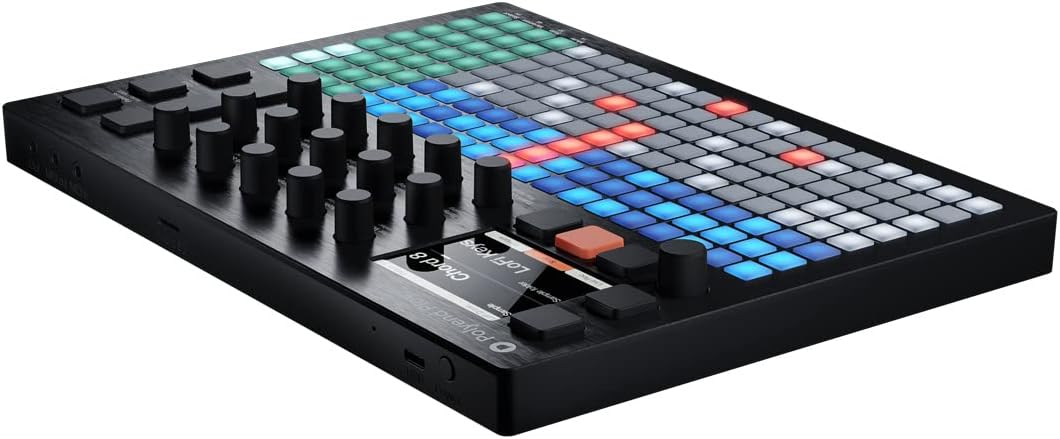
The Polyend Play is a powerful and intuitive sampler and groovebox designed for creative freedom without the complexity. It features over 30 ready-to-use sample kits, eight audio tracks, and eight polyphonic MIDI tracks, all accessible through a user-friendly interface tailored for both studio production and live performance. With 35 unique playback modes, randomizer and step repeater functions, a flexible 64-step sequencer, customizable pattern placement, onboard effects, and deep MIDI integration, the Play invites hands-on experimentation and effortless arrangement—whether you're jamming or building complete tracks from scratch.
Roland SP-404A
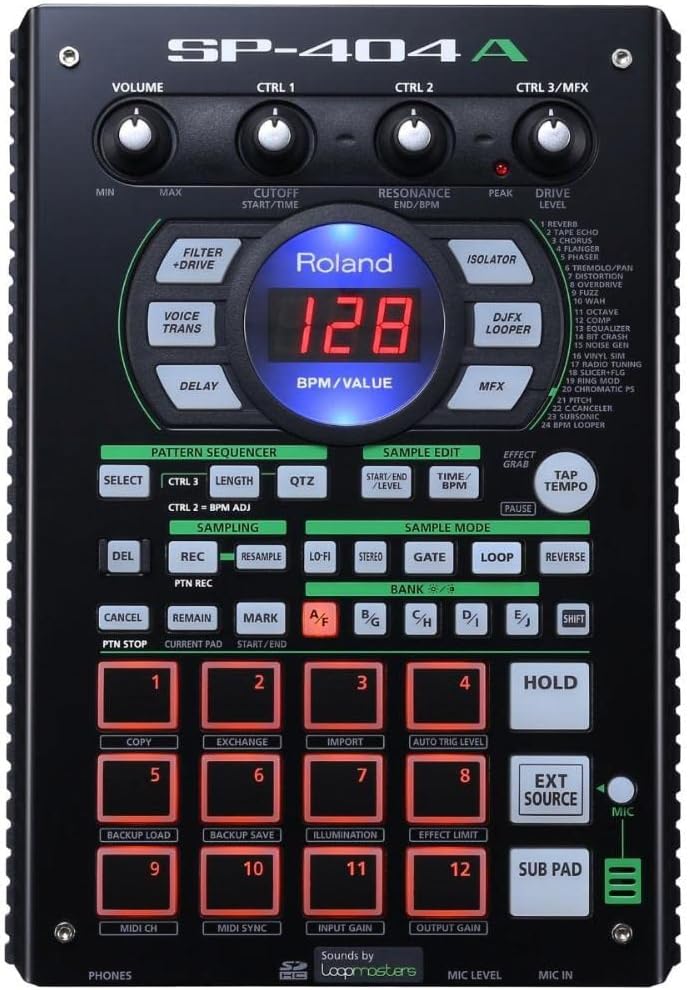
The SP-404A is a fun music machine made for live shows. You can use it to play cool sounds, beats, and effects. It works really well with another music tool called the Roland TR-8, but you can also use it by itself. It has 12 big buttons you can press to play sounds, plus lots of awesome effects to change how your music feels. It even comes with a card full of great sounds to get you started. Whether you're a DJ, a musician, or just love making beats, the SP-404A helps you create music in a fun and easy way.
| Spec | Polyend Play | Roland SP-404A |
|---|---|---|
| Manufacturer | Polyend | Roland |
| Year Released | 2022 | 2017 |
| Polyphony | 64 | 128 |
| Sample Rate | 44.1kHz | 44.1kHz |
| Storage | MicroSD card | SD card |
| Pads | 16 velocity-sensitive pads | 12 velocity-sensitive pads |
| Sequencer | Yes | No |
| Effects | Multiple effects | Vintage effects, Reverb, Delay |
| I/O | MIDI In/Out, USB, Audio In/Out | MIDI In/Out, USB, Audio In/Out |
| Screen | LCD display | OLED display |
| Software Integration | No | Roland Software |
| Build | Groovebox | Portable |
| Price | $1100 | $600 |
| More about | Details | Details |
Buy the Polyend Play on Amazon.com
Buy Now On AmazonBuy the Roland SP-404A on Amazon.com
Buy Now On Amazontitle: “Roland SP-404A vs. Polyend Play: Which Sampler Is Right for You?”
Summary: Are you torn between the Roland SP-404A and the Polyend Play? This detailed comparison will help you decide which sampler suits your music-making needs best.
Introduction
Welcome, music gear enthusiasts! If you’re on the hunt for a new sampler, you’ve probably come across two popular choices: the Roland SP-404A and the Polyend Play. Both of these devices are fantastic in their own right, but they cater to different types of musicians and producers. In this blog post, we’ll dive deep into the features, pros, and cons of each to help you decide which one is the perfect fit for your creative journey.
Feature Comparisons
Build and Design
The Roland SP-404A, crafted by Roland, is a portable powerhouse that’s easy to carry around. It sports a compact design with 12 velocity-sensitive pads, making it a favorite among mobile musicians. Released in 2017, this sampler is an update to the classic SP-404SX and boasts improved effects and features.
On the other hand, the Polyend Play from Polyend, introduced in 2022, is more than just a sampler; it’s a groovebox. With 16 velocity-sensitive pads, it offers a more extensive playground for those who enjoy a hands-on approach to music-making. While it leans toward a bulkier build, its design is still user-friendly and intuitive.
Sound and Polyphony
Both samplers offer a sample rate of 44.1kHz, ensuring high-quality sound production. However, when it comes to polyphony, the Roland SP-404A outshines with 128-voice polyphony, doubling what the Polyend Play offers with its 64-voice polyphony. This means the SP-404A can handle more sounds simultaneously, which can be a game-changer for complex compositions.
Sequencer and Effects
The Roland SP-404A does not come with a built-in sequencer, which might be a limitation for those looking to create intricate patterns directly on the device. However, it compensates with a rich array of vintage effects, including reverb and delay. These effects have a nostalgic charm and are perfect for adding depth to your tracks.
Conversely, the Polyend Play includes a sequencer, allowing users to craft detailed sequences right out of the box. This feature makes it a strong contender for producers who prefer creating beats and rhythms directly on the device. Additionally, it offers multiple modern effects, expanding creative possibilities.
Connectivity and Software Integration
Both samplers feature robust connectivity options, with MIDI In/Out, USB, and Audio In/Out ports, making them easy to integrate into any studio setup. However, the Roland SP-404A has a slight edge with its integration capabilities with Roland Software, providing a seamless workflow for those already invested in the Roland ecosystem. The Polyend Play does not offer software integration, which might be a consideration for those who rely heavily on digital workflows.
Storage and Display
The Roland SP-404A uses an SD card for storage, while the Polyend Play opts for a MicroSD card. Both options provide ample storage for samples, though users might prefer one over the other based on personal preference or existing equipment.
In terms of display, the SP-404A features an OLED screen, which offers clear visuals and is easy on the eyes. The Polyend Play, with its LCD display, also provides good visibility but may not be as sharp as the OLED found on the SP-404A.
Pros and Cons
Roland SP-404A
Pros:
- High polyphony with 128 voices
- Compact and portable design
- Extensive vintage effects
- Seamless integration with Roland Software
- More affordable option at $600
Cons:
- Lacks a built-in sequencer
- Smaller number of pads (12)
Polyend Play
Pros:
- Includes a built-in sequencer
- More pads for enhanced playability (16)
- Modern effects for contemporary sounds
- Groovebox design for versatile music creation
Cons:
- Lower polyphony with 64 voices
- Higher price point at $1100
- No software integration
Final Verdict
In conclusion, the choice between the Roland SP-404A and the Polyend Play largely depends on your specific needs and budget. If you’re looking for a portable, budget-friendly option with vintage effects and high polyphony, the Roland SP-404A is a fantastic choice. It’s perfect for musicians who appreciate the charm of classic sounds and do not require an onboard sequencer.
Meanwhile, if your priority is a more extensive pad setup, built-in sequencing, and modern effects, the Polyend Play might be the better fit. Although it’s more expensive, its groovebox design can cater to a more comprehensive range of music production needs.
Ultimately, both samplers have their unique strengths, making them valuable tools in any musician’s arsenal. Consider your priorities, budget, and workflow to determine which sampler will best complement your creative process.