Polyend Play — VS — Roland SP-404SX
Polyend Play
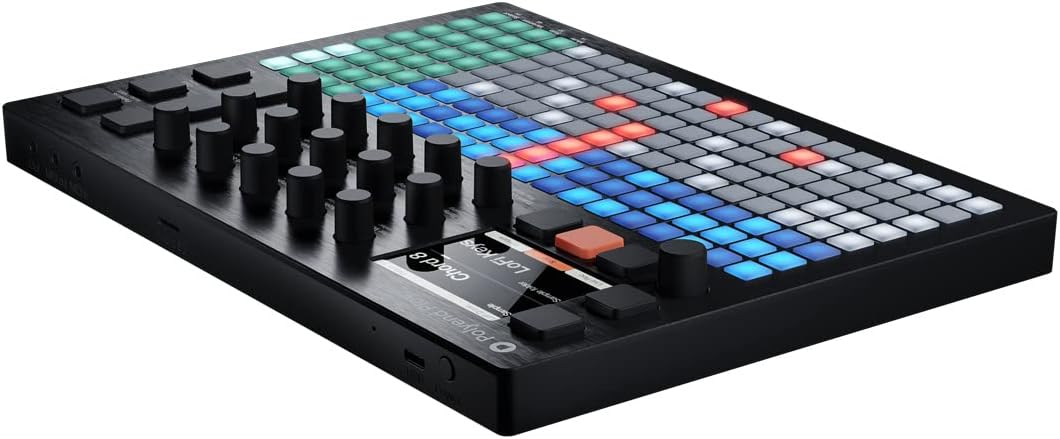
The Polyend Play is a powerful and intuitive sampler and groovebox designed for creative freedom without the complexity. It features over 30 ready-to-use sample kits, eight audio tracks, and eight polyphonic MIDI tracks, all accessible through a user-friendly interface tailored for both studio production and live performance. With 35 unique playback modes, randomizer and step repeater functions, a flexible 64-step sequencer, customizable pattern placement, onboard effects, and deep MIDI integration, the Play invites hands-on experimentation and effortless arrangement—whether you're jamming or building complete tracks from scratch.
Roland SP-404SX
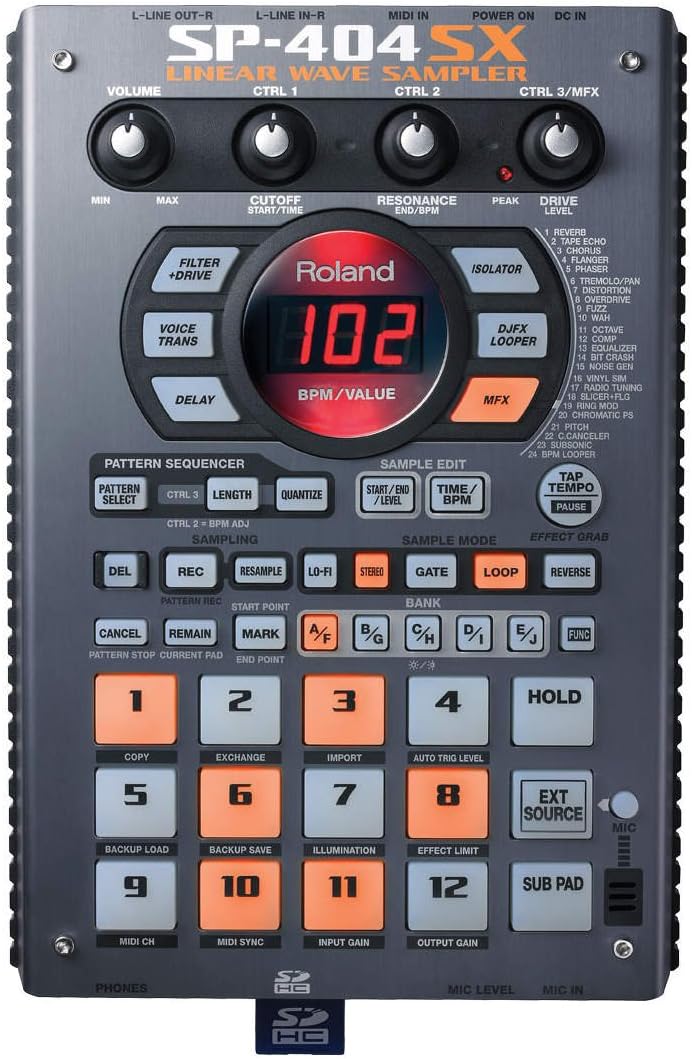
The Roland SP-404SX is a fun and easy-to-use sampler made for music creators, DJs, and performers. It lets you record and play back sounds in high-quality 16-bit audio, add cool effects like filters, delays, and voice tricks, and create beats with its built-in pattern sequencer. You get 12 pads to trigger sounds, plus a special pad for fast repeats, and you can smoothly switch between effects while performing. It uses SD cards to save your music, comes with a 1GB card, and can hold up to 32GB. The SP-404SX is small, powerful, and great for making music on the go.
| Spec | Polyend Play | Roland SP-404SX |
|---|---|---|
| Manufacturer | Polyend | Roland |
| Year Released | 2022 | |
| Polyphony | 64 | 128 |
| Sample Rate | 44.1kHz | 44.1kHz |
| Storage | MicroSD card | Compact Flash |
| Pads | 16 velocity-sensitive pads | 12 velocity-sensitive pads |
| Sequencer | Yes | No |
| Effects | Multiple effects | Vintage effects, Reverb, Delay |
| I/O | MIDI In/Out, USB, Audio In/Out | MIDI In/Out, Audio In/Out |
| Screen | LCD display | LCD display |
| Software Integration | No | Roland Software |
| Build | Groovebox | Portable |
| Price | $1100 | |
| More about | Details | Details |
Buy the Polyend Play on Amazon.com
Buy Now On AmazonBuy the Roland SP-404SX on Amazon.com
Buy Now On AmazonPolyend Play vs. Roland SP-404SX: A Sampler Showdown
Summary: In this blog post, we dive into the features, pros, and cons of two popular samplers: the Polyend Play and the Roland SP-404SX. Which one is right for your music-making needs? Let’s find out!
Introduction
Welcome, music gear enthusiasts! Today, we’re diving into the world of samplers, comparing two exciting options: the Polyend Play and the Roland SP-404SX. Whether you’re a seasoned producer or just starting your music creation journey, samplers are essential tools that allow you to record, manipulate, and play back sounds. Let’s explore these two devices and see which one might be the perfect fit for your setup!
Feature Comparison
Design and Build
The Polyend Play is a modern groovebox with a sleek design. It features 16 velocity-sensitive pads that make playing and creating beats a joy. Its build emphasizes a modern workflow, making it a great tool for contemporary musicians who want a versatile and intuitive device.
On the other hand, the Roland SP-404SX is known for its portability and rugged build. It comes with 12 velocity-sensitive pads and has a classic Roland design. This sampler is perfect for those who love the vintage feel and need a device that can withstand the hustle and bustle of live performances.
Polyphony and Sample Rate
When it comes to polyphony, the Roland SP-404SX takes the lead with 128 voices. This means you can layer more sounds without worrying about note dropouts, which is fantastic for complex compositions. Both samplers offer a sample rate of 44.1kHz, ensuring high-quality audio playback.
The Polyend Play, while offering 64 voices of polyphony, still provides ample layers for most music production needs. For many users, this level of polyphony is more than sufficient, especially for groove-based music.
Storage and Pads
Storage solutions differ between these two samplers. The Polyend Play uses a MicroSD card for storage, which is a modern and flexible option, allowing for easy expansion and file transfers. Its 16 velocity-sensitive pads are larger in number compared to the Roland, offering more control over your music-making.
In contrast, the Roland SP-404SX employs Compact Flash cards for storage. This might seem a bit old-fashioned, but it’s a reliable method that many users still appreciate. With 12 pads, it offers fewer options than the Polyend but still provides enough control for most sampling tasks.
Sequencer and Effects
A significant difference between these two samplers is the inclusion of a sequencer. The Polyend Play features a built-in sequencer, which allows you to craft intricate patterns and sequences directly on the device. This makes it an all-in-one solution for those who want to create complete tracks from start to finish.
The Roland SP-404SX does not include a sequencer, focusing instead on its robust effects section. It offers vintage effects, reverb, and delay, which are perfect for shaping your sounds and adding character to your music. These effects are the heart of the SP-404SX, giving it the renowned Roland sound that many love.
Connectivity and Integration
Both devices provide essential input and output options, including MIDI In/Out and Audio In/Out. The Polyend Play also includes USB connectivity, making it easy to connect to modern setups.
The Roland SP-404SX integrates well with Roland software, providing a seamless experience for those already in the Roland ecosystem. In contrast, the Polyend Play does not offer software integration, focusing more on its standalone capabilities.
Price and Value
The Polyend Play is priced at $1100, reflecting its modern features and capabilities. It’s a worthwhile investment for those looking for a comprehensive groovebox that can handle a variety of tasks.
The Roland SP-404SX does not have a specified price in the data, but it is generally considered an affordable option for its category. It provides excellent value for those seeking a dependable sampler with classic effects.
Pros and Cons
Polyend Play
Pros:
- Modern design with 16 velocity-sensitive pads
- Built-in sequencer for complete track creation
- Flexible storage with MicroSD card
- High-quality effects and multiple connectivity options
Cons:
- Higher price point at $1100
- No software integration
Roland SP-404SX
Pros:
- Classic Roland sound with vintage effects
- Portable and rugged design
- 128 voices of polyphony
- Seamless integration with Roland software
Cons:
- No built-in sequencer
- Uses older Compact Flash storage
Conclusion
In summary, both the Polyend Play and the Roland SP-404SX are excellent samplers, each with its strengths. The Polyend Play is perfect for those who want a modern groovebox with a built-in sequencer and flexible storage. Meanwhile, the Roland SP-404SX is ideal for musicians who appreciate classic Roland effects and need a portable, sturdy device for live performances.
Final Verdict
- Choose the Polyend Play if you’re looking for a comprehensive, modern groovebox with sequencing capabilities and flexible storage.
- Opt for the Roland SP-404SX if you want a portable sampler with vintage effects and a classic feel.
Each sampler offers unique features that cater to different needs, so consider what aspects are most important for your music-making endeavors. Happy sampling!