Polyend Play — VS — Synthstrom Deluge
Polyend Play
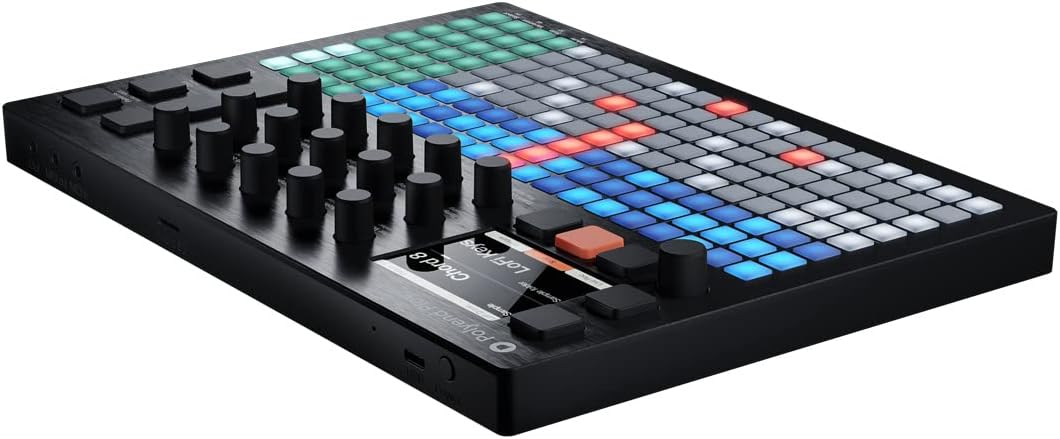
The Polyend Play is a powerful and intuitive sampler and groovebox designed for creative freedom without the complexity. It features over 30 ready-to-use sample kits, eight audio tracks, and eight polyphonic MIDI tracks, all accessible through a user-friendly interface tailored for both studio production and live performance. With 35 unique playback modes, randomizer and step repeater functions, a flexible 64-step sequencer, customizable pattern placement, onboard effects, and deep MIDI integration, the Play invites hands-on experimentation and effortless arrangement—whether you're jamming or building complete tracks from scratch.
Synthstrom Deluge
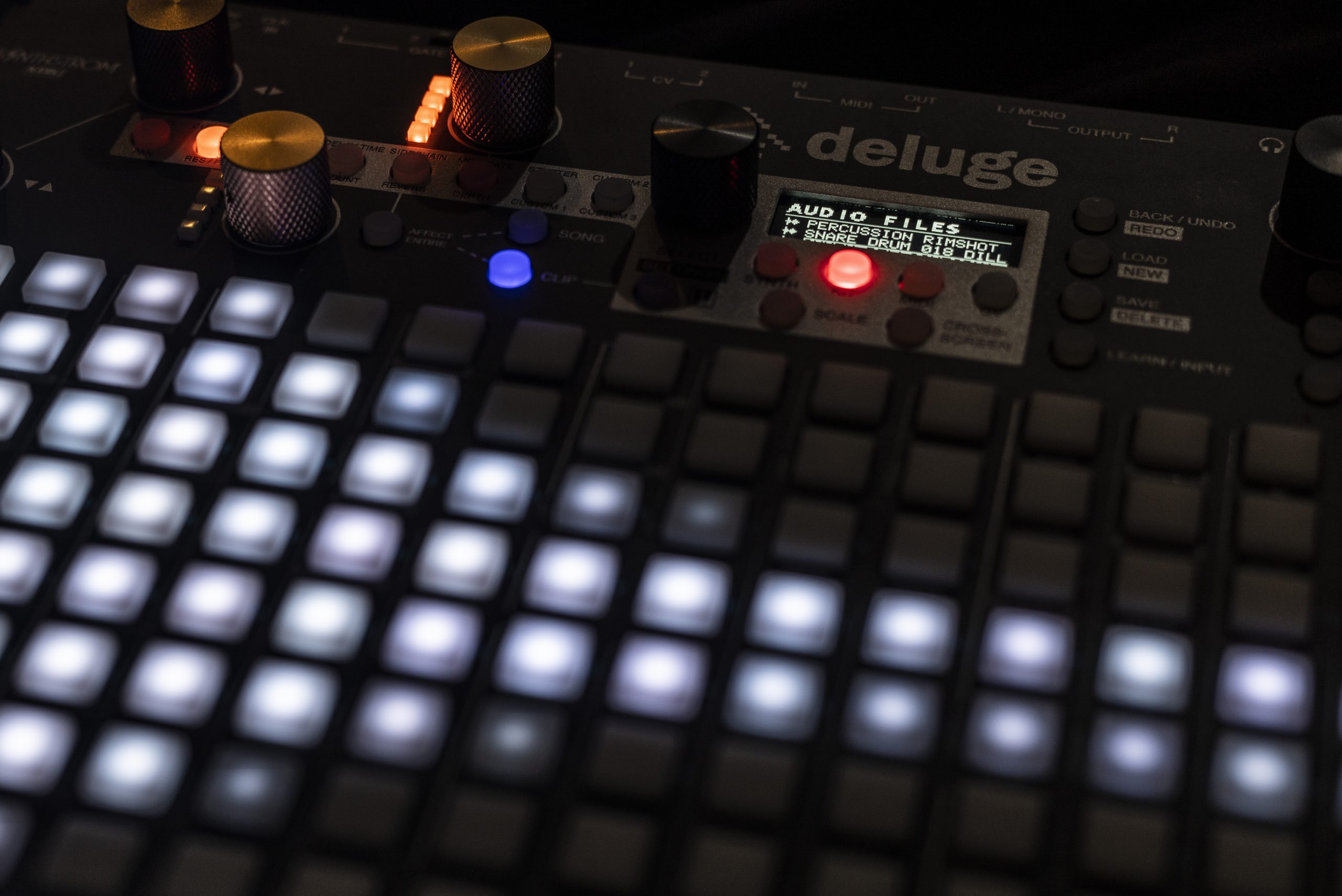
The Synthstrom Deluge is a powerful all-in-one music production workstation that combines a synthesizer, sampler, sequencer, and audio looper in a compact, portable design. Featuring a versatile internal synth engine (subtractive, wavetable, and FM), deep modulation capabilities, and MPE support, it allows for rich sound design and expressive control. Its 128-pad interface enables piano-roll-style sequencing, live performance, and arranging with features like Euclidean sequencing, probability, and advanced timing options. The Deluge streams samples directly from SD, supports multisampling and resampling, and includes robust live looping tools with seamless overdubbing. With extensive connectivity (CV/gate, MIDI, USB), a built-in mic and speaker, and a rechargeable battery for standalone operation, the Deluge is a fully self-contained music creation tool designed for both studio composition and live performance.
| Spec | Polyend Play | Synthstrom Deluge |
|---|---|---|
| Manufacturer | Polyend | Synthstrom Audible |
| Year Released | 2022 | 2017 |
| Polyphony | 64 | 128 |
| Sample Rate | 44.1kHz | 44.1kHz |
| Storage | MicroSD card | MicroSD card |
| Pads | 16 velocity-sensitive pads | No pads, uses buttons and keyboard |
| Sequencer | Yes | Yes |
| Effects | Multiple effects | Multiple effects |
| I/O | MIDI In/Out, USB, Audio In/Out | MIDI In/Out, USB, Audio In/Out |
| Screen | LCD display | LCD display |
| Software Integration | No | No |
| Build | Groovebox | Standalone sampler/synth/sequencer |
| Price | $1100 | $1529 |
| More about | Details | Details |
Buy the Polyend Play on Amazon.com
Buy Now On AmazonBuy the Synthstrom Deluge on Amazon.com
Buy Now On AmazonPolyend Play vs. Synthstrom Deluge: Choosing the Right Sampler for Your Music Journey
Summary: The Polyend Play and Synthstrom Deluge are both powerful music-making machines, but they offer different features and experiences. The Polyend Play is ideal for those who love using pads and grooveboxes, while the Synthstrom Deluge is perfect for musicians who want a standalone device with extensive features.
Introduction
Are you a budding music producer, or perhaps a seasoned musician looking to expand your gear collection? In the world of samplers, two names often come up: the Polyend Play and the Synthstrom Deluge. These devices are like magic boxes, each filled with unique features that can help you create incredible music. But which one should you choose? Let’s dive into the details and compare these two exciting samplers.
Feature Face-off
Build and Design
The Polyend Play is a groovebox, which means it combines a sequencer, sampler, and synthesizer in one compact form. It comes with 16 velocity-sensitive pads that are perfect for finger drumming and triggering samples. This makes it a great choice for live performances or for those who love to interact with their instruments in a tactile way. The design is modern and sleek, with an LCD display that helps you navigate its features easily.
On the other hand, the Synthstrom Deluge is a standalone sampler, synth, and sequencer. Unlike the Polyend Play, it doesn’t have pads. Instead, it uses buttons and a keyboard layout for input. This might take a bit of getting used to if you’re accustomed to pad-based interfaces. However, its design is very functional, and many users appreciate its robust build quality.
Sound and Polyphony
When it comes to making music, more polyphony means more notes or sounds can be played at once. The Synthstrom Deluge shines here with a whopping 128-note polyphony, allowing for complex and layered compositions. In comparison, the Polyend Play offers 64-note polyphony, which is still quite generous and adequate for most musical needs.
Both devices operate at a sample rate of 44.1kHz, ensuring high-quality sound reproduction. Whether you’re creating intricate synth lines or lush soundscapes, both samplers can handle the task.
Storage and Connectivity
Both the Polyend Play and the Synthstrom Deluge use MicroSD cards for storage. This is great because it allows you to easily expand your storage space as your sample library grows.
In terms of connectivity, both devices are well-equipped. They come with MIDI In/Out, USB, and Audio In/Out options. This means you can easily connect them to other devices in your studio setup. However, neither device offers software integration, so you’ll be doing most of your work directly on the hardware.
Sequencer and Effects
Both the Polyend Play and the Synthstrom Deluge include powerful sequencers and a range of effects to shape your sound. Whether you want to add reverb, delay, or other effects, both devices have you covered.
The sequencer on the Polyend Play is intuitive and works well with its pad-based interface. This makes it easy to build up complex rhythms and melodies quickly. The Synthstrom Deluge also has a highly capable sequencer, known for its depth and flexibility, though it may require a bit more time to master due to its button-based interface.
Price and Value
Price is always an important factor when choosing music gear. The Polyend Play is priced at $1100, making it a more budget-friendly option compared to the Synthstrom Deluge, which costs $2000. The higher price of the Deluge reflects its additional features and polyphony, but the Polyend Play offers excellent value for its price, especially if you’re looking for a groovebox experience.
Pros and Cons
Polyend Play
Pros:
- Pads: 16 velocity-sensitive pads are great for performance and creativity.
- Price: More affordable at $1100.
- Modern Design: Sleek and easy to use with an LCD display.
Cons:
- Polyphony: Lower than the Deluge at 64 notes.
- Limited Software Integration: No direct software interaction.
Synthstrom Deluge
Pros:
- Polyphony: Impressive 128-note polyphony allows for complex compositions.
- All-in-One: Combines sampler, synth, and sequencer in a standalone unit.
- Robust Build: Durable and well-constructed.
Cons:
- Price: Higher cost at $2000.
- No Pads: Uses buttons and keyboard, which may not appeal to pad enthusiasts.
Final Verdict
So, which sampler is right for you? The answer depends on what you value most in a music-making device.
If you love playing with pads and desire a groovebox with a modern workflow, the Polyend Play is a fantastic choice. It’s more budget-friendly and offers a hands-on approach to music creation.
On the other hand, if you’re looking for an all-in-one powerhouse with extensive features and don’t mind the higher price, the Synthstrom Deluge might be the better fit. Its 128-note polyphony and robust build make it perfect for those who want to create complex and layered music.
Both samplers are incredible tools that can inspire creativity and help you make amazing music. Whichever you choose, you’re sure to have a lot of fun exploring the world of sound.