Polyend Play — VS — Teenage Engineering EP-133 K.O. II Sampler
Polyend Play
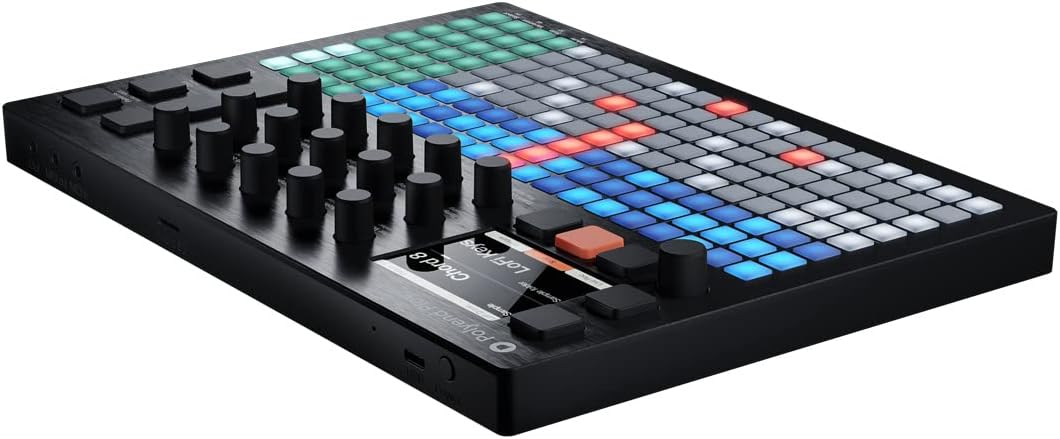
The Polyend Play is a powerful and intuitive sampler and groovebox designed for creative freedom without the complexity. It features over 30 ready-to-use sample kits, eight audio tracks, and eight polyphonic MIDI tracks, all accessible through a user-friendly interface tailored for both studio production and live performance. With 35 unique playback modes, randomizer and step repeater functions, a flexible 64-step sequencer, customizable pattern placement, onboard effects, and deep MIDI integration, the Play invites hands-on experimentation and effortless arrangement—whether you're jamming or building complete tracks from scratch.
Teenage Engineering EP-133 K.O. II Sampler
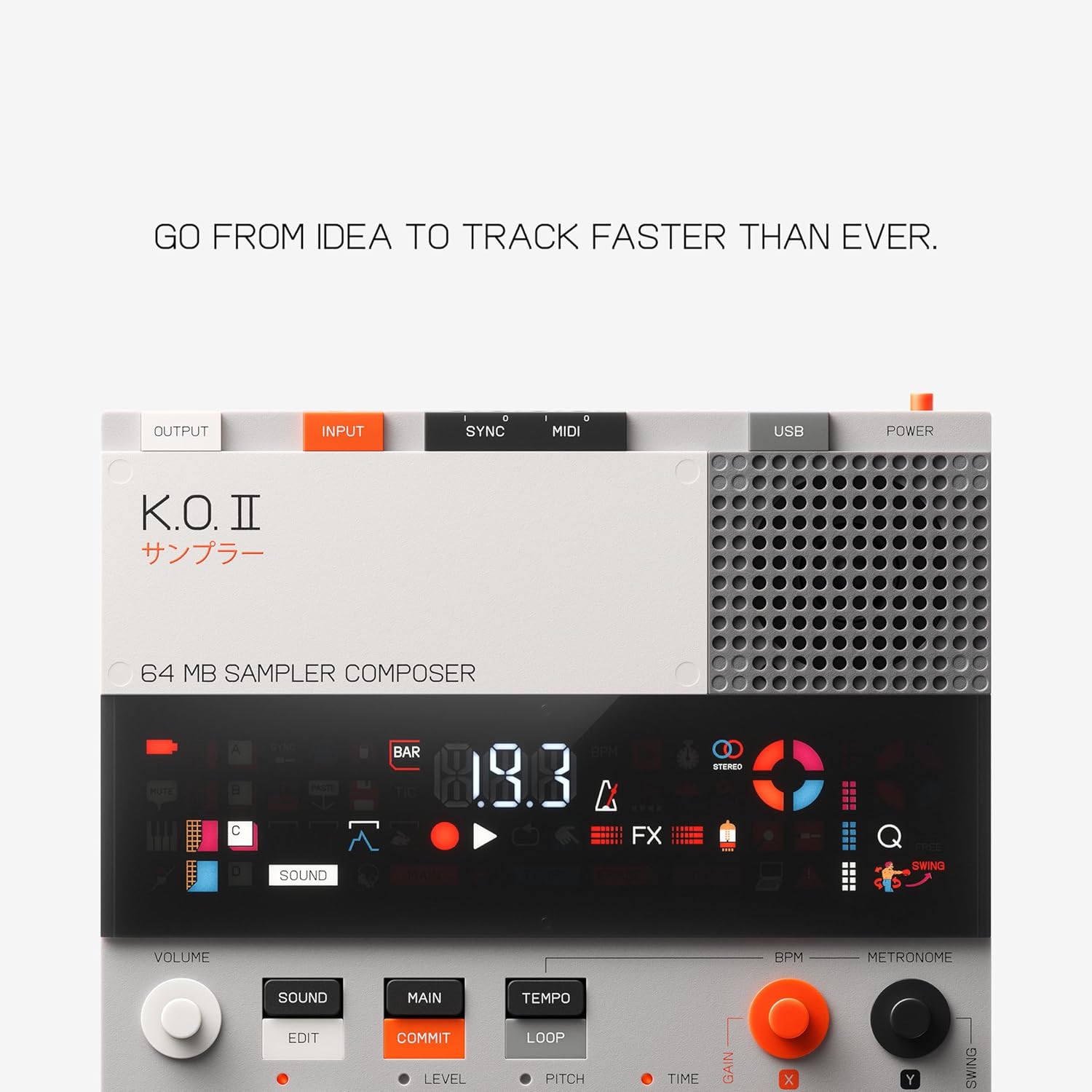
The EP-133 K.O. II is Teenage Engineering's next-gen portable sampler. It features punchy pads, step sequencing, powerful FX, and sample warping—all in a stylish and compact design. It's a fantastic upgrade from the original PO-33 for musicians looking for portability and hands-on performance.
| Spec | Polyend Play | Teenage Engineering EP-133 K.O. II Sampler |
|---|---|---|
| Manufacturer | Polyend | Teenage Engineering |
| Year Released | 2022 | 2023 |
| Polyphony | 64 | Polyphonic (unspecified) |
| Sample Rate | 44.1kHz | 16-bit / 46.875kHz |
| Storage | MicroSD card | Internal + microSD |
| Pads | 16 velocity-sensitive pads | 16 velocity-sensitive pads |
| Sequencer | Yes | Yes |
| Effects | Multiple effects | Filter, Delay, Reverb, Compression |
| I/O | MIDI In/Out, USB, Audio In/Out | USB-C, Line In/Out, MIDI via TRS |
| Screen | LCD display | OLED display |
| Software Integration | No | Minimal, plug-and-play |
| Build | Groovebox | Durable plastic housing with step sequencer |
| Price | $1100 | $299 |
| More about | Details | Details |
Buy the Polyend Play on Amazon.com
Buy Now On AmazonBuy the Teenage Engineering EP-133 K.O. II Sampler on Amazon.com
Buy Now On AmazonPolyend Play vs. Teenage Engineering EP-133 K.O. II Sampler: A Detailed Comparison
Are you in the market for a new sampler? Let’s explore two exciting options: the Polyend Play and the Teenage Engineering EP-133 K.O. II Sampler. Both are packed with features, but which one is right for your musical journey?
Introduction
In the world of music production, samplers are the unsung heroes. These devices enable musicians and producers to create unique sounds by recording and manipulating audio samples. Today, we’re going to dive into a comparison between two popular samplers: the Polyend Play and the Teenage Engineering EP-133 K.O. II Sampler. Whether you are an aspiring musician, a hobbyist, or a professional producer, understanding the features and capabilities of these devices can help you make an informed decision. So, let’s get started!
Feature Comparison
Design and Build Quality
The Polyend Play is designed as a groovebox. It has a robust build, equipped with 16 velocity-sensitive pads and a large LCD display. Its design is intuitive, allowing for ease of use during both studio production and live performances. On the other hand, the Teenage Engineering EP-133 K.O. II Sampler stands out with its durable plastic housing and compact, portable design, featuring 16 velocity-sensitive pads as well. Its OLED display provides clear visuals, making it easy to navigate through different settings.
Sound and Polyphony
Polyphony refers to the number of simultaneous voices a sampler can produce. The Polyend Play offers a remarkable 64-voice polyphony, which is ideal for complex compositions and rich soundscapes. Its sample rate of 44.1kHz ensures high-quality sound production. The EP-133 K.O. II, while polyphonic, does not specify the number of voices. However, its 16-bit / 46.875kHz sample rate provides impressive sound quality, making it suitable for both live performances and studio work.
Sequencing and Effects
Both samplers come with sequencers, but they cater to different needs. The Polyend Play features a flexible 64-step sequencer that supports creative experimentation with customizable pattern placement and randomizer functions. It also includes multiple onboard effects, inviting hands-on arrangement and sound manipulation. On the contrary, the EP-133 K.O. II offers a step sequencer with simple yet powerful effects like filter, delay, reverb, and compression. Its focus is on portability and ease of use, making it perfect for musicians on the go.
Connectivity and Integration
When it comes to connectivity, the Polyend Play offers MIDI In/Out, USB, and Audio In/Out options. This makes it versatile and easy to integrate into various setups. However, it lacks software integration, which might be a drawback for some users. The EP-133 K.O. II features USB-C, Line In/Out, and MIDI via TRS, with minimal plug-and-play software integration. While this may limit some advanced users, it’s perfect for those who prefer a simple and straightforward setup.
Storage and Price
Storage solutions are crucial for samplers, as they determine how much audio you can keep on the device. The Polyend Play relies on a MicroSD card for storage, while the EP-133 K.O. II offers internal storage plus a microSD slot, providing more flexibility. When it comes to pricing, the Polyend Play is priced at $1100, reflecting its advanced features and capabilities. In contrast, the EP-133 K.O. II is much more affordable at $299, making it an attractive option for budget-conscious musicians.
Pros and Cons
Polyend Play
Pros:
- High polyphony (64 voices) for complex compositions
- Flexible 64-step sequencer with randomizer and step repeater functions
- Extensive connectivity options (MIDI, USB, Audio In/Out)
- Multiple effects for sound manipulation
Cons:
- Higher price point ($1100)
- No software integration
Teenage Engineering EP-133 K.O. II Sampler
Pros:
- Affordable price ($299)
- Compact and portable design
- Simple and intuitive interface
- Includes filter, delay, reverb, and compression effects
Cons:
- Unspecified polyphony
- Limited software integration
Conclusion
In summary, both the Polyend Play and Teenage Engineering EP-133 K.O. II Sampler offer unique features tailored to different musical needs. The Polyend Play is perfect for those seeking advanced functionality and high-quality sound in a studio or live setting. On the other hand, the EP-133 K.O. II is ideal for musicians who value portability and affordability without sacrificing sound quality.
Verdict
If you are an experienced producer looking for a powerful tool with extensive features for complex compositions, the Polyend Play is the better choice. However, if you are a beginner or someone who needs a simple, portable sampler for on-the-go creativity, the Teenage Engineering EP-133 K.O. II Sampler is a fantastic option.
Remember, the best sampler is the one that fits your specific needs and enhances your music-making journey. Happy sampling!