Polyend Play — VS — Teenage Engineering OP-1 Field
Polyend Play
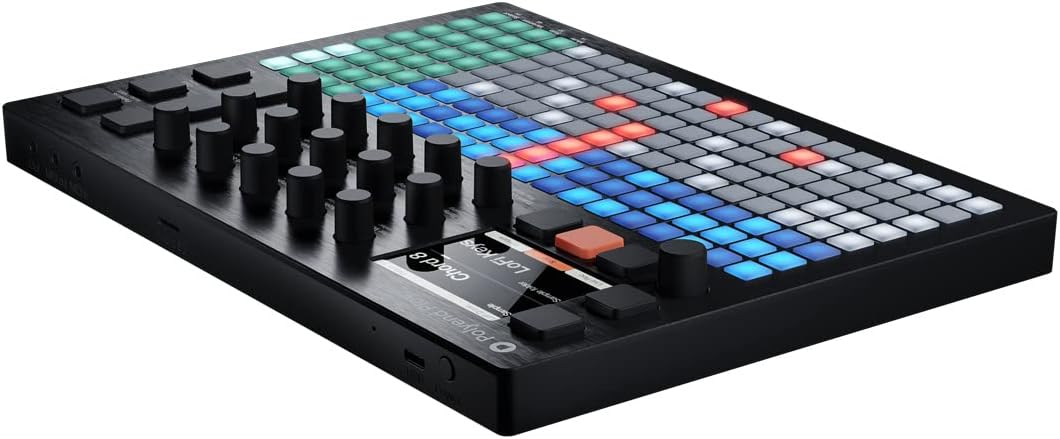
The Polyend Play is a powerful and intuitive sampler and groovebox designed for creative freedom without the complexity. It features over 30 ready-to-use sample kits, eight audio tracks, and eight polyphonic MIDI tracks, all accessible through a user-friendly interface tailored for both studio production and live performance. With 35 unique playback modes, randomizer and step repeater functions, a flexible 64-step sequencer, customizable pattern placement, onboard effects, and deep MIDI integration, the Play invites hands-on experimentation and effortless arrangement—whether you're jamming or building complete tracks from scratch.
Teenage Engineering OP-1 Field
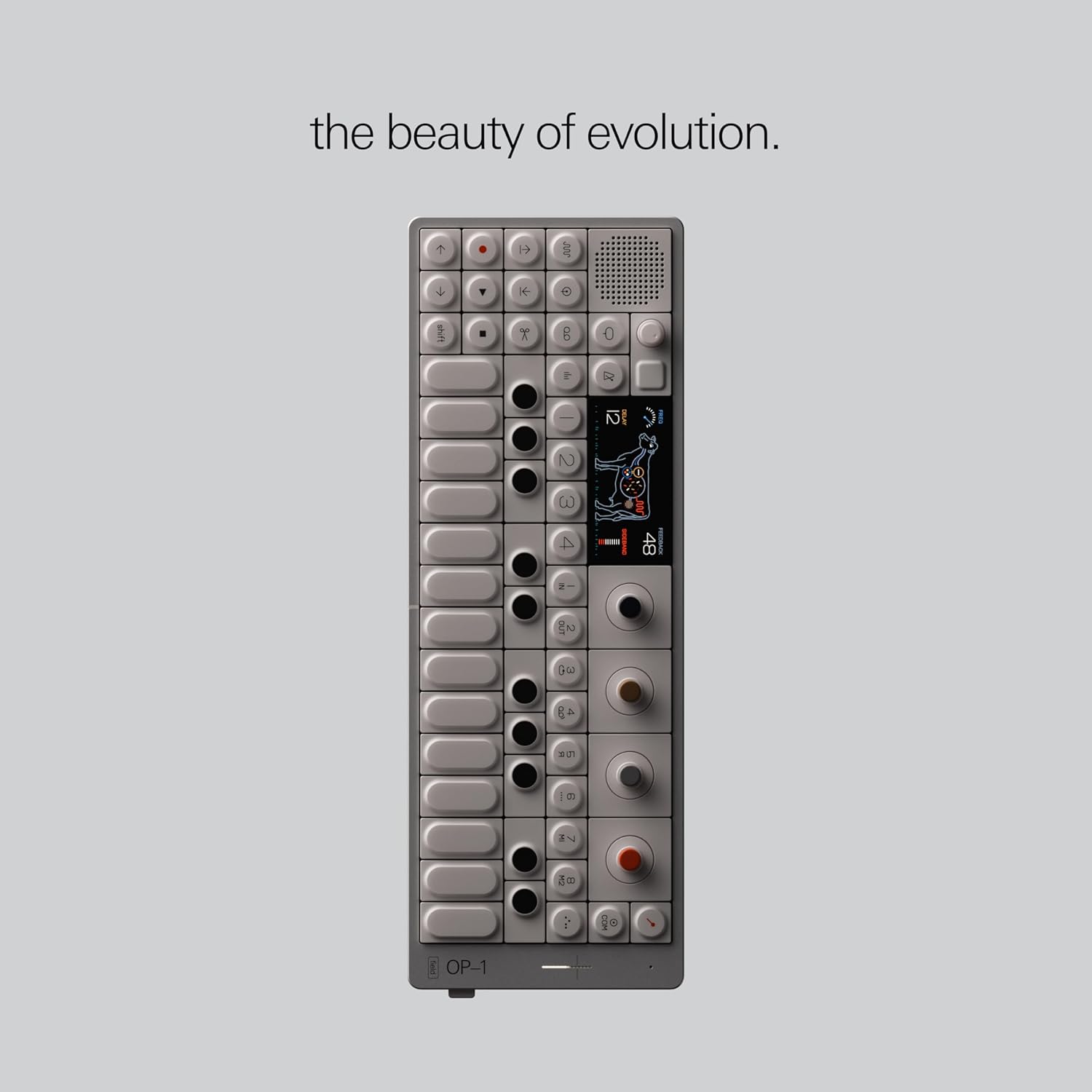
The OP-1 Field is a super cool, all-in-one music maker you can take anywhere. It's small, strong, and sounds amazing. You can play music, record sounds, and mix it all together right on the device. It has a bright screen, loud speakers, and even velcro on the back to add fun stuff. You can connect it to your phone or computer, and it works great with other music gear too. Whether you're at home or outside, it's ready to help you create awesome music.
| Spec | Polyend Play | Teenage Engineering OP-1 Field |
|---|---|---|
| Manufacturer | Polyend | Teenage Engineering |
| Year Released | 2022 | 2022 |
| Polyphony | 64 | 8 |
| Sample Rate | 44.1kHz | 44.1kHz |
| Storage | MicroSD card | Internal storage |
| Pads | 16 velocity-sensitive pads | No pads, uses buttons |
| Sequencer | Yes | Yes |
| Effects | Multiple effects | Multiple effects |
| I/O | MIDI In/Out, USB, Audio In/Out | USB Audio, MIDI |
| Screen | LCD display | OLED display |
| Software Integration | No | No |
| Build | Groovebox | Portable synth/sampler/sequencer |
| Price | $1100 | $1999 |
| More about | Details | Details |
Buy the Polyend Play on Amazon.com
Buy Now On AmazonBuy the Teenage Engineering OP-1 Field on Amazon.com
Buy Now On AmazonSummary
Are you looking for a new sampler to add to your music setup? Today, we are diving deep into two popular options: the Teenage Engineering OP-1 Field and the Polyend Play. Both bring unique features and styles to the table, but which one is right for you? Read on to find out!
Introduction
Music gear enthusiasts, gather around! If you’re in the market for a new sampler, you might be considering the Teenage Engineering OP-1 Field and the Polyend Play. These two devices promise to elevate your music-making experience with their unique characteristics. The OP-1 Field is a hybrid synth, sampler, and sequencer with a distinctive design, while the Polyend Play offers a modern groovebox experience. But which one should you choose? Let’s find out!
Feature Comparisons
Build and Design
The Teenage Engineering OP-1 Field is known for its sleek, portable design. It’s a compact device that combines a synthesizer, sampler, and sequencer, making it perfect for on-the-go music production. Its OLED display is bright and easy to read, and though it doesn’t have pads, it uses buttons efficiently to control its features.
On the other hand, the Polyend Play is a groovebox that boasts a sturdy build and intuitive layout. It features 16 velocity-sensitive pads that make it easy to play and create dynamic beats. The LCD display is clear and provides essential information at a glance. While it might not be as compact as the OP-1 Field, its design is still portable and user-friendly.
Sound and Polyphony
When it comes to sound, both devices offer a sample rate of 44.1kHz, ensuring high-quality audio. However, they differ significantly in polyphony. The OP-1 Field offers 8 voices of polyphony, which is sufficient for many music styles but might be limiting for more complex compositions.
The Polyend Play, on the other hand, shines with its 64 voices of polyphony. This makes it a powerhouse for creating rich, layered tracks without worrying about voice limitations.
Storage and Connectivity
The OP-1 Field features internal storage, which is convenient as you don’t need to worry about external memory cards. It also supports USB audio and MIDI, making it easy to connect with other devices.
Conversely, the Polyend Play uses a MicroSD card for storage, which allows for virtually unlimited expandability. It also offers extensive connectivity options with MIDI In/Out, USB, and Audio In/Out, making it versatile for various setup configurations.
Sequencer and Effects
Both the OP-1 Field and Polyend Play feature robust sequencers and multiple effects, enabling users to tweak and refine their sounds.
-
The OP-1 Field is celebrated for its unique workflow that encourages creativity. Its sequencer is intuitive, and the effects are varied, allowing for an experimental approach to music production.
-
The Polyend Play offers a modern workflow with a sequencer that is straightforward yet powerful. Its effects are also diverse, catering to a wide range of musical styles and preferences.
Pros and Cons
Teenage Engineering OP-1 Field
Pros:
- Highly portable and compact design
- Intuitive and creative workflow
- High-quality OLED display
- Combines synth, sampler, and sequencer
Cons:
- Only 8 voices of polyphony
- No velocity-sensitive pads
- Higher price point at $1300
Polyend Play
Pros:
- 16 velocity-sensitive pads for dynamic playing
- 64 voices of polyphony
- Extensive connectivity options
- More affordable at $1100
Cons:
- Less compact compared to the OP-1 Field
- Uses MicroSD for storage, requiring extra purchase
Final Verdict
Both the Teenage Engineering OP-1 Field and Polyend Play offer unique features that cater to different types of music creators. The OP-1 Field is perfect for those who value portability and a unique, creative workflow. It’s ideal for traveling musicians or those who enjoy creating music on-the-go. However, it comes at a higher price.
The Polyend Play, with its extensive polyphony and dynamic pads, is great for producers who need more voices and appreciate a groovebox setup. It’s a fantastic choice for those who work in studio environments or require more robust connectivity options.
In the end, your choice will depend on your specific needs and how you plan to use your sampler. Whichever you choose, both devices are sure to inspire and enhance your music-making journey!