Polyend Tracker — VS — Roland Verselab MV-1
Polyend Tracker
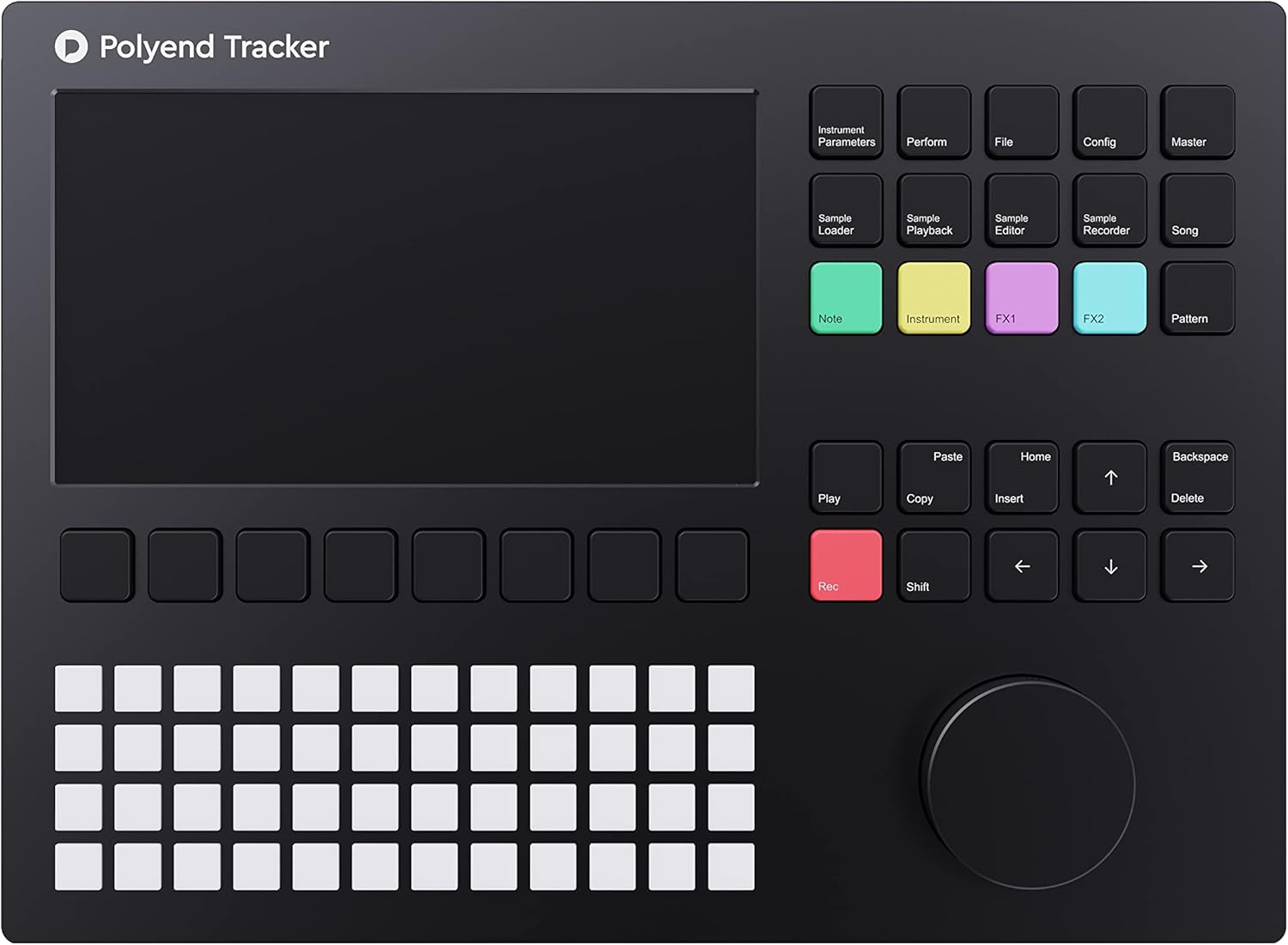
Polyend Tracker is a powerful, easy-to-use music workstation that helps you create and perform your own songs. It's compact, lightweight, and built for making music anywhere—at home, in the studio, or on the go. You can load in your own samples, record new ones with a mic or even from the built-in FM radio, then slice, shape, and play them your way. It has a simple layout, a strong sequencer, and tools like filters and effects to build full tracks. You can also connect it to other gear using MIDI. It's made for creative people who want a fresh, hands-on way to make music.
Roland Verselab MV-1
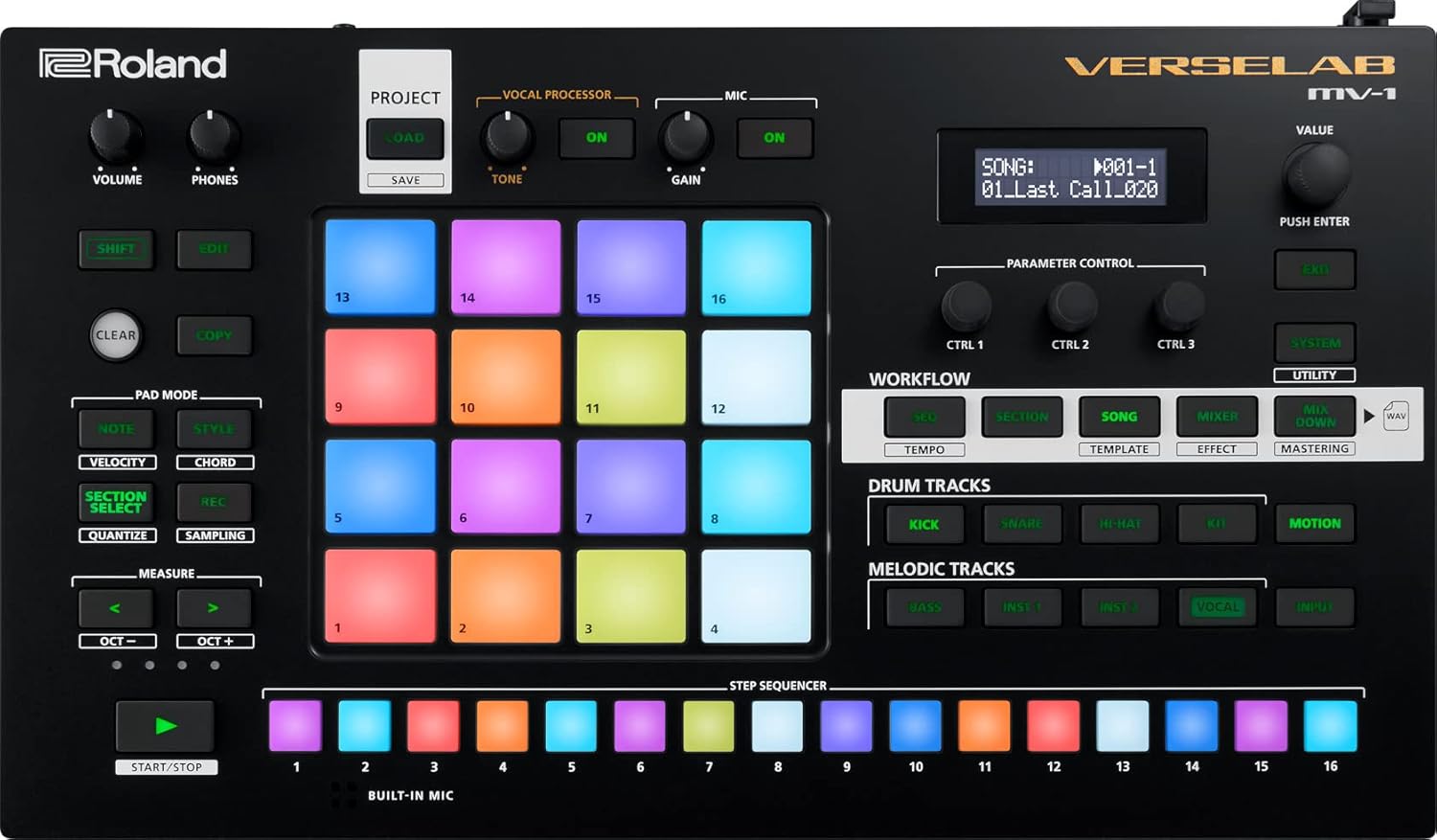
The VERSELAB MV-1 is a fun, all-in-one music studio that helps you make your own songs—from beats to vocals—right out of the box. It comes with over 3,000 cool sounds, easy-to-use tools for writing and recording music, and special effects like Auto-Pitch and harmonies. You can tap out beats with pads, record your voice, and even connect it to your phone, tablet, or computer. It's made to help anyone—beginner or pro—create awesome music without needing a bunch of extra stuff.
| Spec | Polyend Tracker | Roland Verselab MV-1 |
|---|---|---|
| Manufacturer | Polyend | Roland |
| Year Released | 2020 | 2021 |
| Polyphony | 64 | 128 |
| Sample Rate | 44.1kHz | 44.1kHz |
| Storage | MicroSD card | SD card |
| Pads | No pads, buttons for input | No pads |
| Sequencer | Yes | Yes |
| Effects | Multiple effects | EQ, Reverb, Delay |
| I/O | MIDI In/Out, USB, Audio In/Out | MIDI In/Out, USB, Audio In/Out |
| Screen | LCD display | LCD display |
| Software Integration | No | Roland Software |
| Build | Tracker-style sampler | Groovebox |
| Price | $599 | $500 |
| More about | Details | Details |
Buy the Polyend Tracker on Amazon.com
Buy Now On AmazonBuy the Roland Verselab MV-1 on Amazon.com
Buy Now On AmazonRoland Verselab MV-1 vs. Polyend Tracker: A Comprehensive Comparison
Summary: In this blog post, we will explore two fantastic samplers, the Roland Verselab MV-1 and the Polyend Tracker. Both devices offer unique features for music creators, but they cater to different types of users. Let’s dive into their differences and see which one is the right fit for you!
Introduction
Hello, music gear enthusiasts! Today, we’re going to compare two popular samplers that have been making waves in the music production world: the Roland Verselab MV-1 and the Polyend Tracker. Whether you’re a budding musician looking to create your first beat or an experienced producer searching for new tools, these samplers offer exciting possibilities. But which one should you choose? Let’s find out!
Feature Comparisons
Design and Build
The Roland Verselab MV-1 is a groovebox, which means it’s designed for hands-on music creation. It has a solid build with an LCD display and a range of onboard controls, making it easy to tweak your sounds. On the other hand, the Polyend Tracker is a tracker-style sampler. This means it has a unique sequencing approach that harks back to the early days of digital music production. It also features an LCD display, but its interface relies more on buttons for input rather than the traditional pads.
Sound and Polyphony
When it comes to sound capabilities, the Roland Verselab MV-1 boasts an impressive 128-note polyphony. This allows you to layer multiple sounds and create rich, complex tracks. In contrast, the Polyend Tracker offers 64-note polyphony, which might seem limited in comparison, but is still sufficient for most musical tasks. Both devices operate at a 44.1kHz sample rate, ensuring high-quality audio output.
Storage and Connectivity
Storage is another important factor to consider. The Roland Verselab MV-1 uses SD cards, while the Polyend Tracker utilizes MicroSD cards. Both devices offer ample storage options for your samples and projects. In terms of connectivity, each sampler provides MIDI In/Out, USB, and Audio In/Out, allowing seamless integration with other music gear.
Effects and Sequencer
Effects can greatly enhance your music, and both samplers come equipped with them. The Roland Verselab MV-1 includes EQ, reverb, and delay effects, which are perfect for shaping your sound. The Polyend Tracker, meanwhile, offers multiple effects, giving you a broader palette to work with. Both devices feature powerful sequencers for arranging your music, but the Polyend Tracker’s unique sequencing approach sets it apart.
Software Integration
Software integration can be a crucial aspect for many producers. The Roland Verselab MV-1 integrates with Roland Software, offering additional tools and capabilities. Unfortunately, the Polyend Tracker lacks this feature, which might be a downside for those who rely heavily on software.
Price
Price is always a key consideration when purchasing new gear. The Roland Verselab MV-1 is priced at $500, making it an affordable option for many musicians. On the other hand, the Polyend Tracker comes in at $1200, reflecting its advanced features and unique workflow.
Pros and Cons
Roland Verselab MV-1
Pros:
- High polyphony of 128 notes
- Affordable pricing
- Great effects like EQ, reverb, and delay
- Software integration with Roland Software
Cons:
- Lacks traditional pads for input
- Limited effects compared to the Polyend Tracker
Polyend Tracker
Pros:
- Unique tracker-style sequencing
- Multiple effects for enhanced creativity
- Buttons for precise input
Cons:
- Lower polyphony of 64 notes
- Higher price point
- No software integration
Final Verdict
In conclusion, both the Roland Verselab MV-1 and the Polyend Tracker offer fantastic features for music production, but they cater to different users. The Roland Verselab MV-1 is perfect for those who want a budget-friendly groovebox with high polyphony and software integration. Meanwhile, the Polyend Tracker is ideal for musicians seeking a unique sequencing experience and are willing to invest more for its advanced capabilities.
Whether you’re a beginner or a seasoned producer, there’s a sampler for you. Consider what features matter most to you, and you’ll be on your way to creating amazing music. Happy producing!